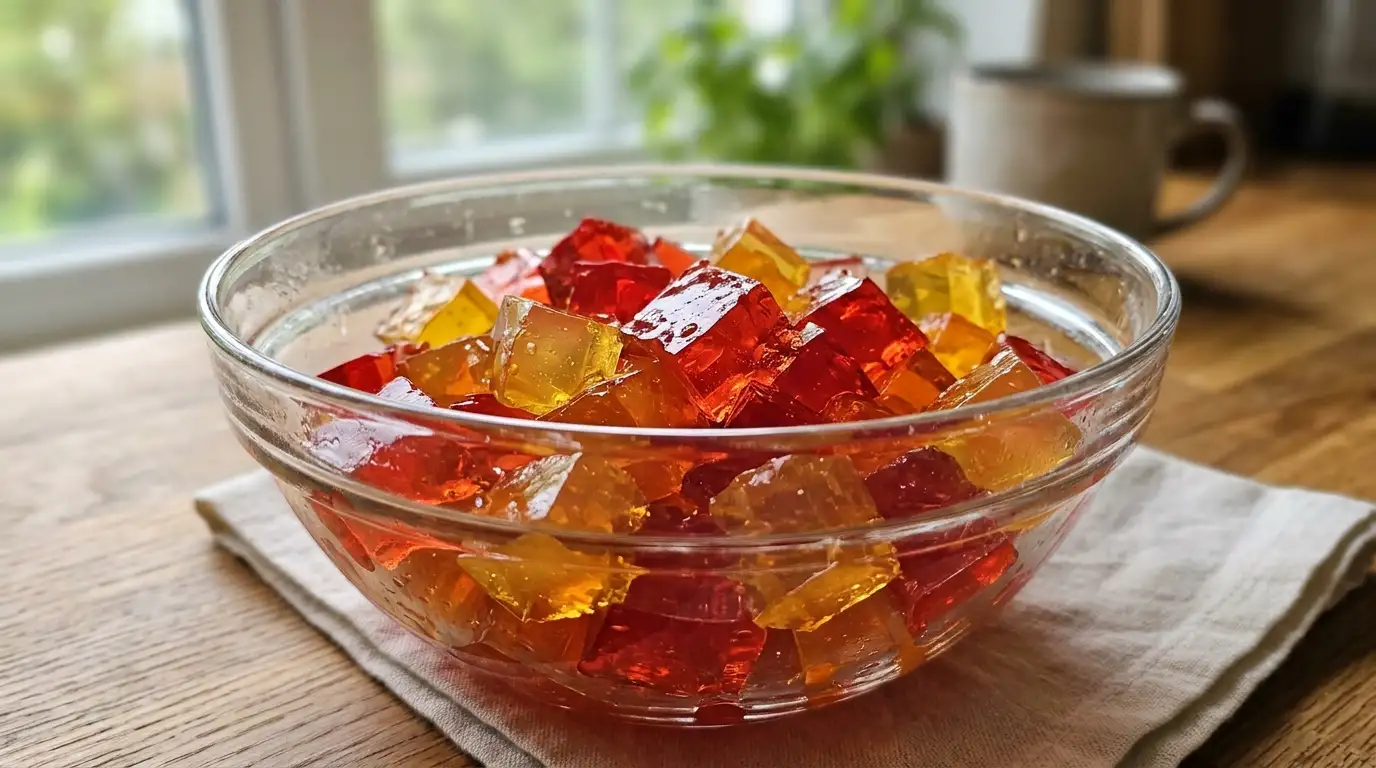
Gelatin intermittent fasting is a topic that sparks a lot of curiosity and confusion. Many people practicing intermittent fasting want to control hunger, protect lean muscle, and stay consistent without accidentally breaking their fast. That’s where gelatin often enters the conversation. It’s low in calories, rich in amino acids, and widely praised for appetite control, but does it actually fit into an intermittent fasting routine?
In this article, you’ll learn whether you can use gelatin while fasting, if gelatin breaks a fast, and how it affects insulin, autophagy, and hunger levels. We’ll also cover the best time to consume gelatin during intermittent fasting, common mistakes people make, and how to use it strategically without sabotaging your fasting goals.
By the end, you’ll have a clear, practical answer on how gelatin fits into intermittent fasting no guesswork, no fasting myths, just real-world guidance you can apply immediately.
Can You Use Gelatin While Fasting?
Using gelatin during intermittent fasting is possible but only if you understand why you’re fasting and how strict your fasting approach is. Not all fasts are the same, and gelatin can be helpful or counterproductive depending on your goal.
What Counts as Fasting in Intermittent Fasting?
Intermittent fasting isn’t just about avoiding food. Instead, it’s about limiting caloric and metabolic stimulation during a defined fasting window. Most people fast for one (or more) of these reasons:
- Fat loss and calorie control
- Insulin sensitivity and metabolic health
- Autophagy and cellular repair
- Appetite regulation and consistency
Because of this, fasting styles are often divided into:
- Clean fast: only water, black coffee, or plain tea
- Dirty fast: allows minimal calories to support adherence
Gelatin typically falls into the dirty fast category because it contains calories and protein, even though the amount is small.
Does Gelatin Technically Break a Fast?
From a strict physiological perspective, yes, gelatin breaks a fast. Gelatin is derived from animal collagen and contains amino acids, which trigger digestion and a mild insulin response. That said, context matters.
A single serving of plain gelatin usually contains:
- Very low calories
- Almost no fat or carbs
- Protein in the form of amino acids
Because the insulin response is minimal, many people still use gelatin during intermittent fasting without negative results especially when the goal is appetite control rather than maximum autophagy.
When Gelatin Can Make Sense During a Fast
Gelatin can be useful if:
- Hunger is making fasting unsustainable
- You struggle with cravings late in the fast
- Your primary goal is fat loss, not deep autophagy
- You’re transitioning into intermittent fasting
In these cases, gelatin may help you extend your fasting window instead of ending it early with a full meal. Used strategically, it can act as a bridge rather than a setback.
This approach is especially common among people combining intermittent fasting with low-carb or ketogenic eating patterns.
When You Should Avoid Gelatin While Fasting
Gelatin is not ideal if:
- Your goal is strict autophagy
- You’re fasting for religious or medical reasons
- You’re doing extended fasts (24+ hours)
- You want a completely “clean” fast
In those scenarios, even small amounts of protein can interfere with the biological processes fasting is meant to trigger.
Bottom line: gelatin can be used during intermittent fasting, but it’s not neutral. Whether it works for you depends on your fasting goals, your tolerance, and how you use it.
Does Gelatin Break a Fast?
This is the most common question people ask about gelatin intermittent fasting, and the answer depends on how you define “breaking a fast.” There’s a difference between biological fasting and practical fasting, and gelatin sits right in the middle.
Calories, Protein, and the Fasting Response
Gelatin is not calorie-free. Even a small serving provides protein in the form of amino acids, which means digestion starts as soon as you consume it. From a biological standpoint, that alone means the fast is technically broken.
However, the impact is relatively mild compared to full meals. Gelatin contains:
- No sugar
- No starch
- No fat
- A very limited amino acid profile
Because of this, the insulin response is small and short-lived, especially when gelatin is consumed on its own and not mixed with sweeteners or carbohydrates.
Clean Fast vs Dirty Fast: Where Gelatin Fits
In the context of intermittent fasting, many people follow one of two approaches:
Clean fast
Only water, black coffee, and unsweetened tea are allowed. In this case, gelatin is not permitted at all.
Dirty fast
Small amounts of calories are allowed if they help maintain the fasting window. Gelatin fits here because it can reduce hunger without triggering a major metabolic response.
If your goal is fat loss and consistency, a dirty fast that includes gelatin can still be effective. If your goal is maximizing autophagy, gelatin is best avoided.
Does Gelatin Spike Insulin?
Gelatin does cause a slight insulin release due to its amino acid content. That said, the spike is usually:
- Much lower than carbs
- Lower than complete proteins
- Short in duration
For most healthy individuals, this small insulin response does not derail fat loss or metabolic benefits. In fact, by controlling hunger, gelatin may help prevent overeating later in the eating window.
Why Some People Lose Results with Gelatin
Problems usually arise when gelatin is:
- Sweetened with sugar or honey
- Mixed with juice or milk
- Consumed repeatedly throughout the fast
- Used as an excuse to snack
At that point, gelatin stops being a strategic tool and becomes a calorie creep that truly breaks the fast.
The Practical Answer
So, does gelatin break a fast?
- Yes, from a strict technical perspective
- No, in many real-world fat-loss scenarios
If gelatin helps you stay consistent, avoid binge eating, and complete your fasting window, it can still support your results when used correctly and sparingly.
Best Time to Drink Gelatin During Intermittent Fasting
Timing matters a lot when using gelatin intermittent fasting as a hunger-management tool. While gelatin can be helpful, using it at the wrong moment or too often can reduce the benefits of fasting instead of supporting them.
Using Gelatin at the End of the Fasting Window
The most strategic time to consume gelatin is near the end of your fast, not at the beginning. At this stage:
- Hunger hormones are typically highest
- Energy levels may dip
- The temptation to break the fast early increases
A small serving of gelatin during the final hour of fasting can blunt hunger just enough to help you reach your planned eating window without overeating.
Why Gelatin Is a Poor Choice Early in the Fast
Consuming gelatin early in the fasting window often backfires. Even though it’s low in calories, protein intake can:
- Trigger digestion too soon
- Increase appetite later in the fast
- Make the fast feel longer instead of easier
For most people, gelatin works best as a late-stage support, not a fasting “starter.”
Gelatin Before the First Meal
Another effective strategy is taking gelatin 15–30 minutes before your first meal. This can:
- Reduce portion sizes
- Slow down eating
- Improve satiety
How Often Should You Use Gelatin While Fasting?
Less is more. Gelatin should be used:
- Occasionally, not daily
- As a tool, not a habit
- Only when hunger threatens consistency
Relying on gelatin every fast may indicate that your eating window lacks enough protein, fiber, or volume. Addressing that will improve fasting results more than adding supplements.
Best Practices for Timing Gelatin
To use gelatin effectively during intermittent fasting:
- Keep servings small
- Use it once per fast at most
- Avoid pairing it with sweeteners
- Focus on timing, not frequency
When used with intention, gelatin can support intermittent fasting without undermining its core benefits.
Gelatin for Hunger Control While Fasting
One of the main reasons people experiment with gelatin intermittent fasting is hunger control. For many, hunger not lack of discipline is what causes fasting plans to fail. Gelatin can help, but only when used for the right reason and in the right way.
How Gelatin Affects Appetite
Gelatin is rich in specific amino acids, particularly glycine, which play a role in satiety signaling. When consumed in small amounts, gelatin can:
- Increase the feeling of fullness
- Reduce the urgency to eat
- Smooth out hunger waves during fasting
Unlike sugary snacks or processed foods, gelatin doesn’t trigger rapid blood sugar swings. That’s why some people find it easier to “ride out” hunger after consuming a small serving.
Why Gelatin Feels More Filling Than Other Low-Calorie Options
Gelatin works differently than zero-calorie drinks or artificial sweeteners. Because it contains protein:
- It slows gastric emptying
- It activates satiety hormones
- It provides structure rather than stimulation
This makes gelatin especially helpful for people who struggle with psychological hunger the urge to eat driven by routine, stress, or boredom rather than true energy needs.
Gelatin vs Other Hunger-Control Tools
Compared to other fasting aids:
- Black coffee can suppress appetite but may increase anxiety
- Artificial sweeteners often increase cravings
- Bone broth contains more calories and sodium
Gelatin sits in the middle: more effective than zero-calorie options, but far lighter than broths or protein shakes. That balance is why it’s commonly used during intermittent fasting for hunger control.
Signs You’re Using Gelatin Correctly
Gelatin is helping if:
- You can complete your fasting window more consistently
- Hunger decreases without triggering cravings
- You don’t feel the need to keep snacking
If you find yourself wanting more gelatin or pairing it with other foods, it’s likely working against you rather than for you.
When Hunger Means Something Else
Persistent hunger during fasting may signal:
- Insufficient protein during eating windows
- Low fiber intake
- Poor sleep or high stress
- Overly aggressive fasting schedules
In those cases, gelatin is only a temporary fix. Adjusting your overall nutrition and fasting structure will deliver better long-term results.
Common Fasting Mistakes with Gelatin
While gelatin intermittent fasting can be useful, many people unknowingly sabotage their results by using gelatin incorrectly. These mistakes are subtle, yet they can turn a helpful tool into a fasting obstacle.
Mistake #1: Treating Gelatin as a Free Food
One of the biggest errors is assuming gelatin doesn’t count because it’s “light.” Even though gelatin is low in calories, it still contains protein and stimulates digestion. Consuming multiple servings during a fast quickly adds up and fully breaks the fasting state.
Fix: Limit gelatin to one small serving, used strategically, not repeatedly.
Mistake #2: Adding Sweeteners or Flavorings
Plain gelatin is very different from flavored or sweetened versions. Adding sugar, honey, juice, or even some artificial sweeteners can:
- Spike insulin
- Increase cravings
- Trigger a stronger metabolic response
Fix: Use unflavored gelatin only, mixed with water, and avoid taste enhancers during the fast.
Mistake #3: Using Gelatin Too Early in the Fast
Consuming gelatin shortly after your last meal can stimulate appetite instead of suppressing it. This often makes the fast feel longer and harder than necessary.
Fix: Reserve gelatin for the final stage of the fasting window or just before your first meal.
Mistake #4: Relying on Gelatin Every Day
Gelatin should support fasting not replace proper nutrition. If you need gelatin every day just to get through a fast, the issue likely lies in your eating window.
Fix: Improve meal quality by increasing protein, fiber, and whole foods during eating periods.
Mistake #5: Confusing Fat Loss with Autophagy
Many people mix goals without realizing it. Gelatin may support fat loss consistency, but it interferes with strict autophagy-focused fasting.
Fix: Decide your priority. If autophagy is the goal, skip gelatin entirely. If fat loss and adherence matter more, occasional gelatin can be useful.
FAQ: Gelatin and Intermittent Fasting
Yes, gelatin technically breaks a fast because it contains protein and calories. However, in practical fat-loss-focused intermittent fasting, small amounts may still be acceptable.
You can, but it’s best used sparingly and strategically, ideally near the end of the fasting window to manage hunger.
Gelatin falls under a dirty fast because it provides calories and amino acids that stimulate digestion.
The best time is near the end of the fast or 15–30 minutes before the first meal to reduce overeating.
Yes, gelatin can reduce hunger by increasing satiety and smoothing hunger waves when used correctly.
Gelatin and collagen are similar, but gelatin is more filling for some people. Both technically break a fast.
Conclusion
Gelatin intermittent fasting can work but only when used with intention. Gelatin is not a free food, and it’s not compatible with every fasting goal. Still, for people focused on fat loss and consistency, small amounts of plain gelatin can help control hunger and prevent early fast-breaking.
The key is strategy: use gelatin sparingly, time it correctly, and avoid sweeteners or repeated servings. When paired with well-structured eating windows and whole-food meals, gelatin can support intermittent fasting rather than undermine it.