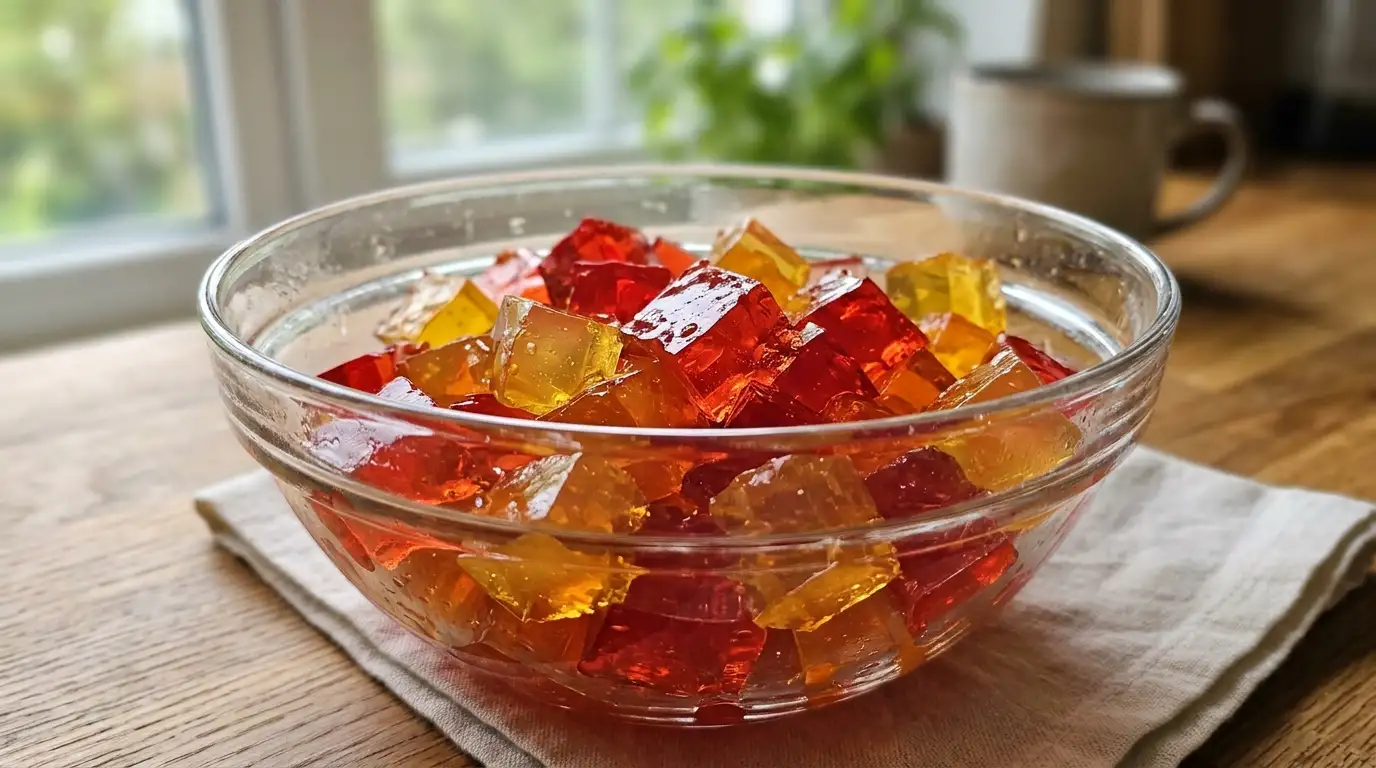
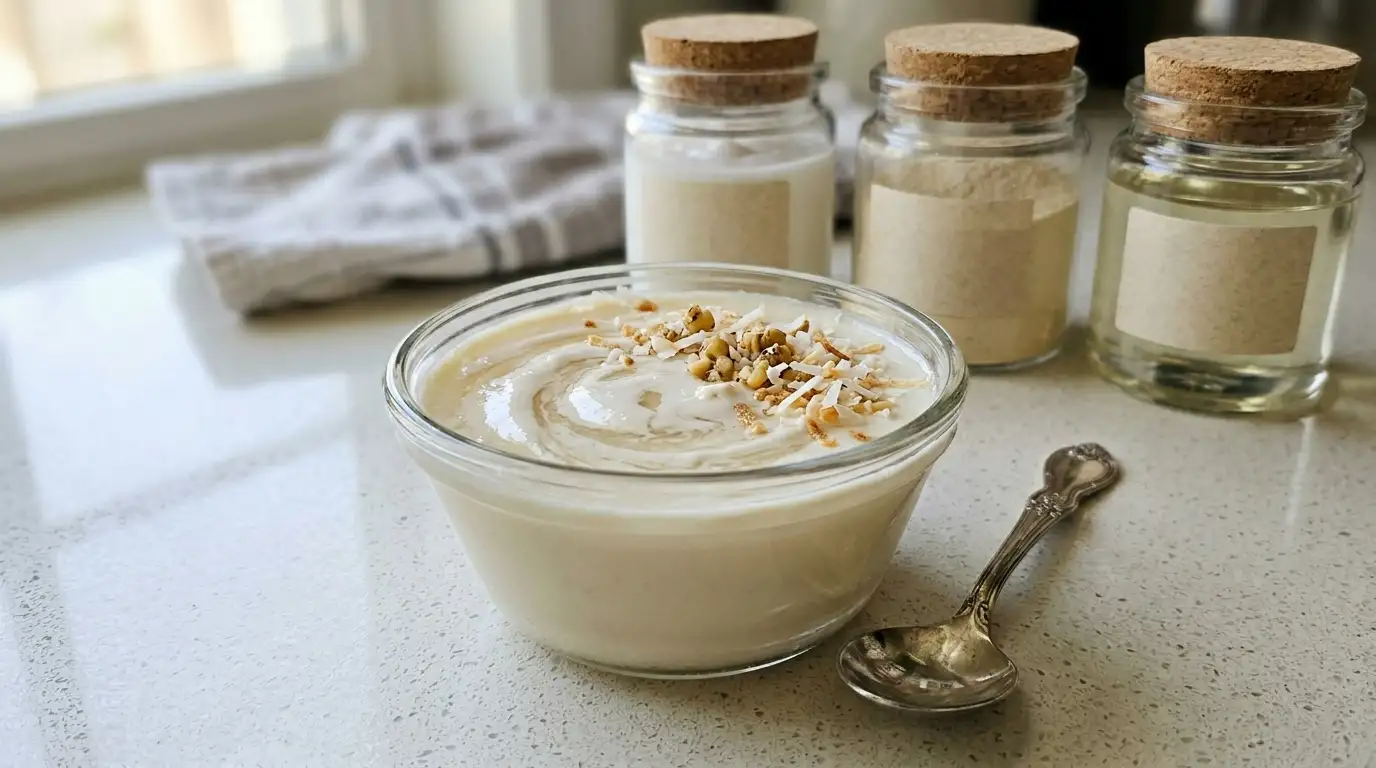
The gelatin keto diet has become increasingly popular among people following low-carb and ketogenic lifestyles, and for good reason. Gelatin is a simple, affordable ingredient that fits naturally into keto macros while offering unique benefits for digestion, joints, and satiety. Because it contains virtually no carbs and is made almost entirely of protein, gelatin can support ketosis when used correctly.
That said, not all gelatin products are created equal. Some contain hidden sugars, artificial sweeteners, or additives that can quietly kick you out of ketosis. Others can be powerful tools for meal prep, keto desserts, fat pairing, and even fasting support. Understanding how gelatin works on a keto diet is essential if you want to use it effectively rather than accidentally sabotage your progress.
In this article, you’ll learn whether gelatin is truly keto-friendly, how it fits into low-carb diets, how to calculate macros and net carbs, and how to use it in practical, delicious ways. We’ll also cover common mistakes, the best types of gelatin for keto, and how it compares to collagen. If your goal is weight loss, metabolic health, or long-term keto sustainability, gelatin can be a smart addition when used strategically.
Is Gelatin Keto-Friendly?
The short answer is yes gelatin is keto-friendly when you choose the right type and use it correctly. Because the gelatin keto diet focuses on keeping carbs extremely low while prioritizing fats and moderate protein, gelatin fits well into keto guidelines. However, understanding why it works and when it doesn’t is key to staying in ketosis.
What Is Gelatin and How Is It Made?
Gelatin is a protein derived from animal collagen, typically sourced from bones, skin, and connective tissues of cows or pigs. Through a slow cooking and drying process, collagen breaks down into gelatin, creating a nearly pure protein product with no fiber, no sugar, and almost zero carbohydrates.
Because of this composition, gelatin blends seamlessly into a gelatin keto diet. It dissolves easily in liquids, sets into firm textures, and works in both sweet and savory recipes. More importantly, it delivers protein without the carb load that often comes with processed keto snacks.
Is Gelatin Allowed on a Keto Diet?
Gelatin is absolutely allowed on a keto diet, provided it is unflavored and unsweetened. Plain gelatin contains:
- 0 grams of net carbs
- 0 grams of sugar
- Minimal calories per serving
- Pure protein with no insulin-spiking ingredients
This makes it one of the safest ingredients for keto beginners and advanced keto followers alike. Still, flavored gelatin mixes are often loaded with sugar, maltodextrin, or dextrose, which can quickly knock you out of ketosis. That’s why label reading is critical when following a gelatin keto diet.
Does Gelatin Break Ketosis?
Gelatin on its own does not break ketosis. However, context matters. Since gelatin is a protein, consuming large amounts without adequate fat can trigger gluconeogenesis in some people. While this process doesn’t automatically end ketosis, excessive protein without fats may slow ketone production.
To stay keto-compliant, gelatin should be paired with fats like coconut oil, heavy cream, or MCT oil. This balance supports stable ketone levels and keeps your macros aligned with keto goals.
Gelatin vs Collagen on a Keto Diet
Although gelatin and collagen come from the same source, they behave differently. Collagen dissolves completely and stays liquid, while gelatin thickens and sets when cooled. From a keto perspective, both are low-carb and keto-approved.
That said, gelatin offers a unique advantage on the gelatin keto diet because it provides structure. It allows you to create keto desserts, gummies, and meal-prep snacks that increase satisfaction without adding carbs. Collagen works better in drinks, while gelatin shines in recipes.
Why Gelatin Is Popular in Keto and Low-Carb Diets
Gelatin has gained popularity in keto and low-carb diets because it:
- Adds protein without carbs
- Improves satiety and fullness
- Supports gut and joint health
- Helps stabilize appetite during carb withdrawal
- Works well with high-fat keto foods
Additionally, gelatin is inexpensive, widely available, and easy to store. When used correctly, it becomes a versatile tool rather than just a dessert ingredient. Many keto followers even use gelatin strategically during fasting protocols, which we’ll explore later in the article, along with insights shared in this guide on gelatin and intermittent fasting.
Gelatin on Low-Carb Diets
While the gelatin keto diet is one of the most popular ways to use gelatin, it’s far from the only low-carb approach where gelatin fits in. Many people following low-carb, paleo, or even carnivore-style diets rely on gelatin for structure, protein, and satiety. The key difference lies in how strict carb limits are and how gelatin is combined with other foods.
Gelatin for Keto vs Low-Carb Diets
On a keto diet, carb intake is typically capped at 20–50 grams per day, which makes unflavored gelatin an ideal ingredient. It contributes virtually zero carbs and supports ketosis when paired with fats.
On general low-carb diets, carb limits are more flexible. This means gelatin can still be used, but people may tolerate small amounts of sweeteners, fruit, or dairy that wouldn’t fit strict keto macros. While this flexibility helps with variety, it can also lead to overconsumption of hidden carbs if labels aren’t checked carefully.
In both cases, gelatin remains a clean protein source. The difference is how tightly it must be controlled within daily macros.
Gelatin on Paleo, Atkins, and Carnivore Diets
Gelatin aligns well with paleo diets because it’s derived from animal sources and minimally processed. Many paleo followers use gelatin in bone-broth-based recipes, natural gummies, and digestive-support drinks.
On Atkins and other low-carb plans, gelatin is often used similarly to keto, though early Atkins phases require extra caution with flavored gelatin products.
For carnivore-style diets, gelatin is one of the few acceptable ways to add variety without introducing plant foods. Since it comes from animal collagen, it fits naturally into carnivore macros while helping with texture and digestion.
Is Sugar-Free Gelatin Truly Low Carb?
This is where many low-carb dieters get tripped up. “Sugar-free” does not automatically mean keto-friendly or low carb. Many commercial sugar-free gelatin products contain:
- Maltodextrin
- Modified starches
- Artificial sweeteners that spike insulin
- Fillers that add hidden carbs
Even small amounts of these ingredients can disrupt ketosis or stall weight loss. For anyone following a gelatin keto diet, the safest option is always plain, unflavored gelatin, where you control exactly what goes into it.
Store-Bought vs Homemade Gelatin for Keto
Store-bought gelatin desserts are convenient, but convenience often comes at the cost of macro control. Homemade gelatin gives you full authority over:
- Sweeteners used
- Fat content
- Portion size
- Ingredient quality
When you make gelatin at home, you can tailor it to keto macros by adding heavy cream, coconut milk, or MCT oil. This makes homemade versions far more effective for appetite control and long-term compliance.
Hidden Ingredients to Avoid in Gelatin Products
Even experienced keto followers can miss problematic ingredients in gelatin products. Watch closely for:
- Dextrose or glucose
- Maltodextrin
- Corn-derived fillers
- Artificial flavor powders
- Fruit concentrates
These ingredients may appear in small amounts, but on a keto diet, even a few grams of hidden carbs can matter. Reading labels carefully is non-negotiable when gelatin is part of your low-carb routine.
Now that you understand how gelatin fits across low-carb diets, the next step is learning how to calculate its macros properly, because protein, net carbs, and portion size still matter on keto. Up next, we’ll break down macros and net carbs for gelatin in clear, practical terms.
Macros and Net Carbs Explained for Gelatin
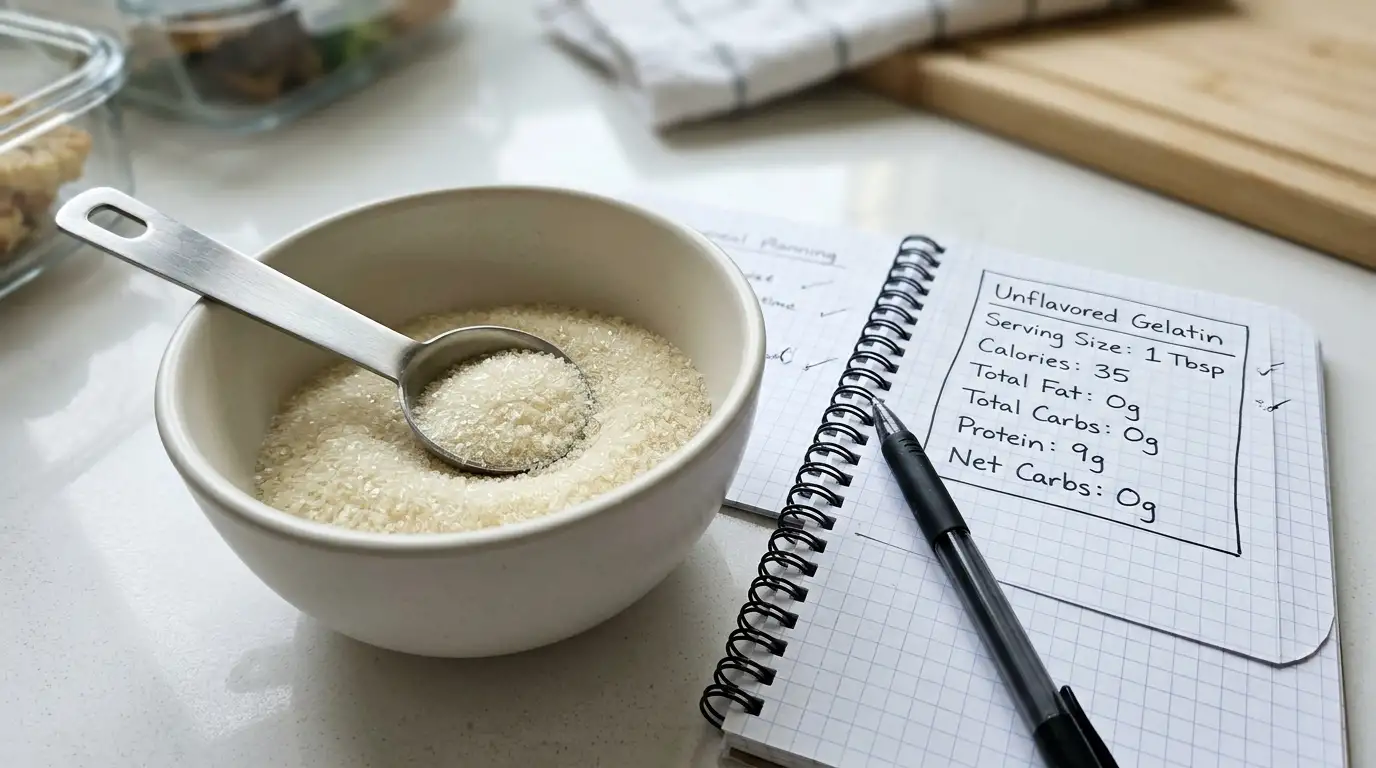
Understanding macros is essential for success on the gelatin keto diet. Even though gelatin is extremely low in carbs, how it affects your daily protein intake and overall balance can influence ketosis, hunger levels, and results. When used intentionally, gelatin can support keto goals instead of working against them.
Gelatin Nutrition Facts (Calories, Protein, Carbs)
Unflavored gelatin is nutritionally simple. A standard serving, usually about one tablespoon or one packet, contains:
- Around 30–40 calories
- Roughly 6–9 grams of protein
- 0 grams of fat
- 0 grams of total carbs
- 0 grams of net carbs
Because gelatin contains no fiber or sugar, its carb count is straightforward. This makes it easy to track and ideal for people who prefer predictable keto foods.
Net Carbs in Gelatin on a Keto Diet
Net carbs are calculated by subtracting fiber and sugar alcohols from total carbs. Since plain gelatin contains neither, the net carb count remains zero. This is why gelatin is frequently recommended in keto meal plans, especially for desserts and snacks that need structure without carbs.
However, the moment you add flavored powders, sweeteners, or milk, net carbs can rise quickly. On a gelatin keto diet, the base ingredient may be carb-free, but the final recipe determines whether it stays keto-compliant.
Glycemic Impact of Gelatin
Gelatin has a negligible glycemic impact because it does not contain carbohydrates. It does not raise blood sugar directly, making it suitable for people managing insulin sensitivity on keto or low-carb diets.
That said, protein can still stimulate a mild insulin response. While this is normal and not harmful, large amounts of gelatin consumed alone may reduce ketone production temporarily. Pairing gelatin with fats helps blunt this effect and supports metabolic stability.
How Gelatin Fits Into Daily Keto Macros
Keto diets typically prioritize high fat, moderate protein, and very low carbs. Since gelatin is pure protein, it should be counted toward your daily protein target. It works best as a supporting ingredient rather than a primary protein source.
For example, using gelatin in desserts, snacks, or drinks can help control appetite without pushing protein too high. When combined with fats, gelatin becomes a functional keto tool rather than just a nutritional add-on.
Common Label Mistakes Keto Dieters Make
One of the most common mistakes on the gelatin keto diet is assuming all gelatin products are the same. Many labels hide carbs under:
- Natural flavors
- Starch-based fillers
- Sweetener blends
- Serving size manipulation
Always check the ingredient list, not just the nutrition panel. If a gelatin product lists anything beyond gelatin itself, it deserves closer scrutiny.
Now that macros and net carbs are clear, it’s time to get practical. In the next section, we’ll explore the best keto gelatin recipes, including desserts, snacks, and creative ways to use gelatin without breaking ketosis.
Best Keto Gelatin Recipes
One of the biggest advantages of the gelatin keto diet is how versatile gelatin can be in everyday meals. When used correctly, gelatin transforms simple ingredients into satisfying keto-friendly desserts, snacks, and even savory dishes, all without adding carbs. The key is choosing the right ingredients and balancing protein with fats.

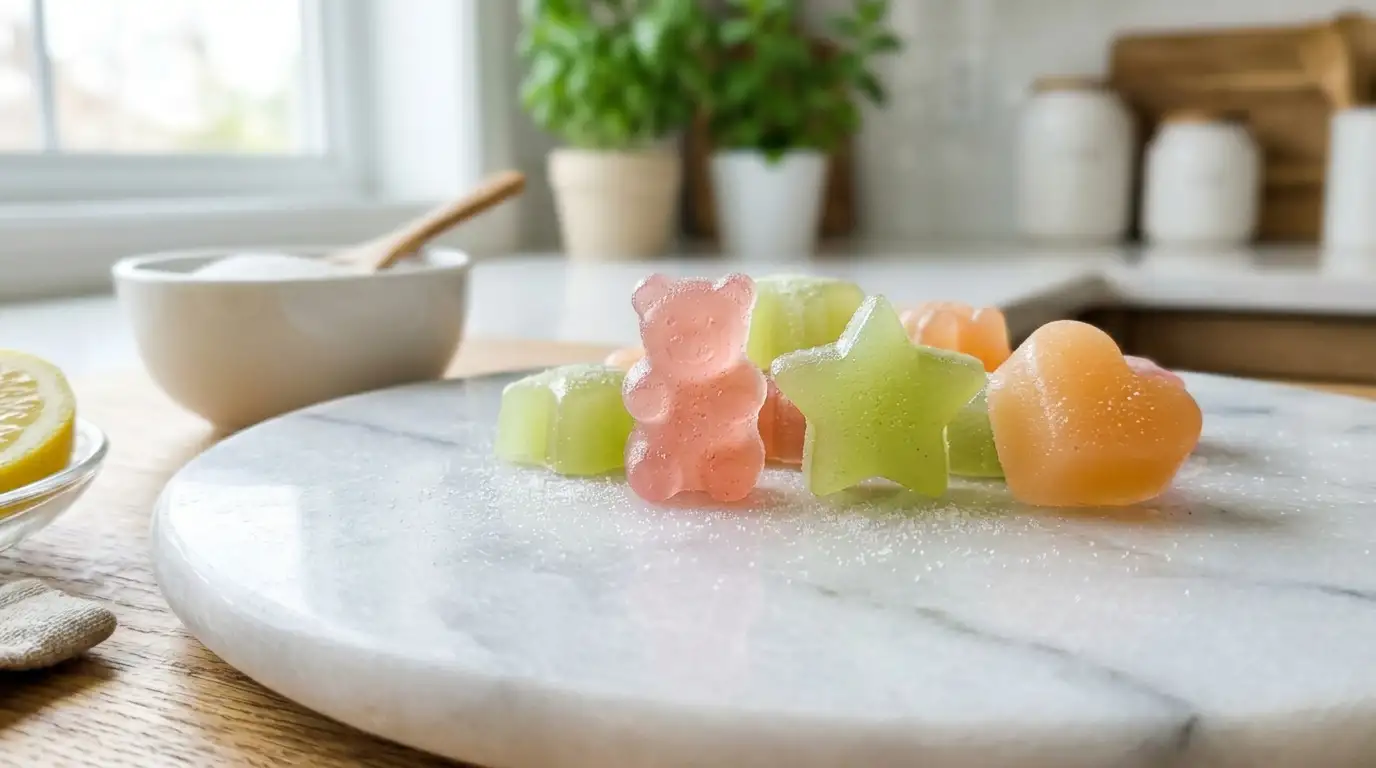
Keto Gelatin Desserts with Zero Sugar
Keto gelatin desserts are popular because they’re easy to make and highly customizable. Using unflavored gelatin as a base, you can create sugar-free desserts by adding keto-approved sweeteners like erythritol or stevia. Heavy cream, coconut milk, or almond milk can be incorporated to improve texture and fat content.
These desserts work well for people craving something sweet while staying in ketosis. Because gelatin sets firmly, even small portions feel filling, which helps with portion control and sugar cravings.
Savory Gelatin Recipes for Keto Dieters
Gelatin isn’t just for desserts. Savory gelatin recipes are especially useful on keto, where soups, broths, and meat-based dishes are common. Adding gelatin to bone broth creates a thicker, more satisfying texture while increasing protein content.
Savory gelatin dishes also pair naturally with fats from meats and oils, making them ideal for keto macros. They’re commonly used in meal prep to improve texture and satiety without relying on carbs or starches.
Keto Gummies Using Gelatin
Keto gummies are one of the most popular uses of gelatin on a keto diet. Made with unflavored gelatin, water or tea, and keto-friendly sweeteners, gummies offer a convenient, portion-controlled snack.
They’re especially helpful for people transitioning into keto who want something familiar without sugar. By adding electrolytes or MCT oil, gummies can also support energy and hydration on keto.
High-Fat Keto Gelatin Snacks
To make gelatin more keto-optimized, adding fats is essential. High-fat gelatin snacks might include ingredients like:
- Heavy cream
- Coconut cream
- MCT oil
- Butter
These additions help balance the protein content of gelatin and prevent insulin spikes. High-fat gelatin snacks are ideal between meals or as a light dessert that supports ketosis rather than disrupts it.
Mistakes to Avoid When Making Keto Gelatin Recipes
Even simple recipes can go wrong on a gelatin keto diet. Common mistakes include:
- Using flavored gelatin mixes
- Adding fruit juices or honey
- Skipping fats entirely
- Overusing sweeteners
Keeping recipes simple and ingredient lists short is the best way to ensure your gelatin creations remain keto-friendly.
Combining Gelatin with Keto Fats
On the gelatin keto diet, gelatin works best when it’s not used alone. Because gelatin is pure protein, combining it with healthy fats is essential for maintaining ketosis, improving satiety, and preventing unwanted insulin responses. When paired correctly, gelatin and fats become a powerful keto-friendly combination.
Gelatin with MCT Oil and Coconut Oil
MCT oil and coconut oil are popular on keto because they’re quickly converted into ketones. Adding a small amount of MCT oil to gelatin-based recipes helps offset the protein content and supports sustained energy.
For example, a simple gelatin dessert made with coconut milk and MCT oil can serve as a satisfying snack that keeps ketone levels stable. This combination is especially useful for people who feel hungry or low-energy between meals.
Gelatin in Bulletproof Coffee and Keto Drinks
Gelatin can also be used in keto drinks, including bulletproof-style coffee. When dissolved properly, gelatin adds thickness and body without changing flavor. Combined with butter or MCT oil, it turns a drink into a more filling, nutrient-dense option.
This approach is often used in the morning or during busy days when a full meal isn’t practical. The added fats help slow digestion and provide steady energy while keeping carbs at zero.
Using Gelatin to Improve Fat Absorption
One lesser-known benefit of gelatin is its role in digestion. Gelatin can help improve how the body handles fats by supporting gut lining and digestive function. On keto, where fat intake is high, this support can reduce bloating and discomfort.
By pairing gelatin with fatty meals or snacks, some people experience better digestion and fewer gastrointestinal issues, especially during the early stages of keto adaptation.
Gelatin, Satiety, and Keto Weight Loss
Satiety is one of the biggest challenges on a keto diet, particularly during calorie deficits. Gelatin contributes to fullness by slowing gastric emptying and increasing the feeling of satisfaction after eating.
When combined with fats, gelatin-based foods can help control appetite without increasing carbs or calories significantly. This makes gelatin a useful tool for keto weight loss when used strategically rather than excessively.
Best Time to Consume Gelatin on Keto
There’s no single “best” time for everyone, but gelatin tends to work well:
- Between meals to curb hunger
- In the evening to reduce snacking
- With breakfast drinks for sustained energy
- During fasting transitions for gentle protein support
Some keto followers also use gelatin during fasting protocols. If you’re experimenting with this approach, this guide on gelatin and intermittent fasting explains how gelatin fits into different fasting styles.
Next, we’ll take a closer look at the broader health benefits of gelatin on a keto diet, beyond macros and recipes, including digestion, joints, and overall well-being.
Health Benefits of Gelatin on a Keto Diet
Beyond macros and recipes, the gelatin keto diet offers several health-related benefits that make gelatin more than just a convenient ingredient. When used consistently and correctly, gelatin can support digestion, joints, skin health, and overall comfort, areas where some people struggle when transitioning to or maintaining a keto lifestyle.
Gut Health and Digestion on Keto
Keto diets are often high in fat and low in fiber, which can sometimes lead to digestive discomfort. Gelatin contains amino acids that help support the gut lining and improve digestion. Many people find that adding gelatin to their keto routine helps reduce bloating and improves overall digestive tolerance.
Because gelatin absorbs water and thickens liquids, it can also slow digestion slightly, leading to better nutrient absorption and more stable energy levels throughout the day.
Joint, Skin, and Hair Benefits
Gelatin is rich in amino acids like glycine and proline, which are essential for connective tissue health. On a gelatin keto diet, these nutrients may help support joints, skin elasticity, and hair strength areas that sometimes suffer during rapid weight loss.
While gelatin isn’t a miracle solution, regular intake can complement a well-formulated keto diet by providing building blocks that are often missing from muscle-focused protein sources.
Gelatin for Muscle Recovery on Low-Carb Diets
Because gelatin is a protein, it contributes to muscle maintenance and recovery. While it’s not a complete protein, it works well alongside other protein sources on keto.
Some people use gelatin post-workout or in evening snacks to support recovery without adding carbs. When paired with fats and other proteins, gelatin can help smooth out protein intake across the day.
Does Gelatin Help with Keto Flu?
Keto flu symptoms often stem from electrolyte imbalances and rapid carbohydrate withdrawal. While gelatin doesn’t replace electrolytes, it can help improve satiety and digestion during this adjustment phase.
Warm gelatin-based broths or drinks may also feel soothing and help people stay consistent with keto during the first few weeks, when cravings and discomfort are most common.
Scientific Evidence Supporting Gelatin Benefits
Research on gelatin highlights its role in connective tissue health, digestion, and satiety. While most studies aren’t keto-specific, the mechanisms align well with ketogenic principles, especially when gelatin replaces carb-heavy ingredients.
As with any dietary tool, gelatin works best as part of a balanced approach rather than a standalone solution.
Next, we’ll explore a topic many keto followers are curious about: gelatin and intermittent fasting, including whether gelatin breaks a fast and how it’s used during fasting protocols.
Gelatin and Intermittent Fasting on Keto
The combination of keto and fasting is common, which naturally raises questions about how gelatin fits into both. On a gelatin keto diet, understanding when and how gelatin affects fasting is essential, especially if your goal is fat loss, metabolic health, or appetite control.
Does Gelatin Break a Fast?
Technically, gelatin does break a fast because it contains calories and protein. However, the practical impact depends on the type of fast you’re doing and your goals.
For strict, autophagy-focused fasts, any protein intake including gelatin ends the fast. For fat-loss or metabolic fasting, small amounts of gelatin may still be acceptable, especially if they help control hunger and prevent overeating later.
This is why gelatin is often considered a “soft fast” or “fasting support” ingredient rather than a fasting food.
Gelatin During Extended Fasts
During longer fasts, some people use gelatin in small amounts to ease hunger or digestive discomfort. While this approach isn’t for everyone, it can make extended fasting more manageable for those who struggle with appetite or stomach irritation.
If used, gelatin should be kept minimal and free of sweeteners or additives. Adding fats alongside gelatin may further reduce hunger while maintaining keto principles.
Gelatin as a Fasting Aid on Keto
Gelatin can act as a bridge between fasting and eating windows. Consuming gelatin shortly before or after a fast may help:
- Reduce hunger spikes
- Improve digestion when refeeding
- Prevent overeating
Because gelatin is easy to digest, it’s often tolerated better than heavier protein sources immediately after fasting.
Best Gelatin Types for Intermittent Fasting
When fasting on keto, the best gelatin choice is plain, unflavored gelatin with no added ingredients. This ensures minimal impact on blood sugar and insulin while giving you full control over timing and portions.
Powdered gelatin dissolves easily and can be used in warm liquids, making it practical during fasting periods.
Common Fasting Mistakes with Gelatin
Common mistakes include using flavored gelatin, overconsuming protein, or assuming gelatin is calorie-free. Any of these can undermine fasting benefits.
For a deeper dive into how gelatin interacts with fasting styles, this guide on gelatin and intermittent fasting breaks down practical use cases and common pitfalls.
Next, we’ll cover common mistakes people make when using gelatin on a keto diet, so you can avoid issues that stall progress or cause confusion.
Common Mistakes When Using Gelatin on a Keto Diet
Even though gelatin seems simple, many people misuse it on a gelatin keto diet and end up stalled, confused, or kicked out of ketosis. Most problems don’t come from gelatin itself, but from how it’s chosen, prepared, or combined with other ingredients.
Using Sweetened or Flavored Gelatin
This is the most common mistake. Flavored gelatin packets even those labeled “sugar-free”, often contain hidden carbs, fillers, or insulin-spiking sweeteners. Ingredients like maltodextrin and dextrose are especially problematic on keto.
If the ingredient list contains anything other than gelatin, it’s a red flag. Plain, unflavored gelatin is always the safest choice.
Overconsumption and Protein Spikes
Gelatin is pure protein. While protein is essential on keto, too much especially without fat can slow ketone production for some people.
Using gelatin as a supplement rather than a primary protein source helps avoid this issue. Pairing gelatin with fats keeps macros balanced and supports ketosis more effectively.
Ignoring Macros and Portion Sizes
Because gelatin has zero carbs, it’s easy to assume portion size doesn’t matter. Calories and protein still count on keto, especially for weight loss.
Large servings of gelatin-based desserts or snacks can quietly push protein intake too high, even if carbs remain low.
Choosing Low-Quality Gelatin Sources
Not all gelatin is equal. Low-quality gelatin may be heavily processed or sourced from poor-quality animal products. While this doesn’t always affect macros, it can impact digestion and overall results.
Whenever possible, choose gelatin from reputable sources with minimal processing.
Not Pairing Gelatin with Fats
Using gelatin alone is one of the biggest strategic mistakes on a gelatin keto diet. Without fats, gelatin may increase hunger instead of reducing it.
Adding fats like cream, coconut milk, butter, or MCT oil turns gelatin into a keto-friendly, satisfying food rather than a hunger trigger.
Now that we’ve covered mistakes, let’s answer the most common questions people ask about gelatin and keto.
FAQs About Gelatin and the Keto Diet
Yes, gelatin can be consumed daily on a keto diet as long as it’s unflavored, unsweetened, and fits your macros. Moderation and proper fat pairing are key.
Most people do well with one to two servings per day. Larger amounts may increase protein intake too much, depending on your overall diet.
Plain, unflavored Knox gelatin is keto-friendly. However, Knox flavored products are not suitable for a gelatin keto diet due to added sugars and fillers.
Gelatin does not raise blood sugar directly because it contains no carbs. Protein can cause a mild insulin response, but this is usually minimal when gelatin is paired with fats.
Yes, gelatin can support weight loss by improving satiety, reducing cravings, and helping control portions when used strategically.
The best option is plain, unflavored gelatin with no additives. This gives you full control over ingredients and macros.
Conclusion – Should You Use Gelatin on a Keto Diet?
The gelatin keto diet works because gelatin is simple, predictable, and adaptable. With zero net carbs and flexible uses, gelatin can support ketosis, appetite control, and dietary consistency when used correctly.
The key is intentional use. Choose unflavored gelatin, avoid hidden ingredients, balance protein with fats, and respect portion sizes. When used strategically, gelatin becomes more than a dessert base it becomes a functional keto tool.
Whether you’re managing cravings, supporting digestion, or looking for keto-friendly recipe options, gelatin can fit naturally into your routine. And if you’re experimenting with fasting or weight loss strategies, revisiting how gelatin is used as explained in this guide on gelatin and intermittent fasting can help you fine-tune your approach for long-term success.