Choosing between gelatin and pectin can feel confusing, especially when both are used as gelling agents in desserts, jams, and fruit-based recipes. Yet, the gelatin vs pectin debate goes far beyond texture alone. These two ingredients behave very differently when exposed to heat, sugar, and acidity, which explains why one recipe sets perfectly while another fails completely.
In this in-depth comparison, we’ll break down how gelatin and pectin work, how their textures differ, and why acidity plays such a critical role in recipe success.
By the end of this guide, you’ll clearly understand when to use gelatin, when pectin is the better option, and whether combining both can improve results in modern recipes. This article is designed as a practical reference for home cooks, bakers, and food experimenters who want reliable, repeatable results—every single time.
Gelatin vs pectin explained
Understanding the gelatin vs pectin debate starts with knowing what these ingredients actually are and how they work. While both are classified as gelling agents, they come from different sources and behave in very different ways once added to a recipe. These differences explain why one works better for creamy desserts while the other dominates jams and fruit preserves.
What is gelatin?
Gelatin is an animal-based gelling agent made from collagen, typically sourced from bones and connective tissue. When dissolved in warm liquid and cooled, gelatin forms a soft, elastic gel that melts smoothly in the mouth. This melt-in-your-mouth quality is one reason gelatin is so popular in mousses, panna cotta, marshmallows, and no-bake desserts.
In the gelatin vs pectin comparison, gelatin stands out for its clarity and flexibility. It can be re-melted, reshaped, and reused, which makes it forgiving for beginners. However, gelatin is sensitive to heat, enzymes, and acids, meaning recipe conditions must be carefully controlled for consistent results.
What is pectin?
Pectin is a plant-based hydrocolloid naturally found in fruits, especially apples and citrus peels. Unlike gelatin, pectin relies on a balance of sugar, acid, and heat to form a stable gel. This makes it the preferred choice for jams, jellies, and fruit spreads where structure and shelf stability matter.
When comparing gelatin vs pectin, pectin is often favored in fruit-heavy recipes because it tolerates acidic environments much better. It also creates a firmer, more brittle gel that holds its shape at room temperature, which is essential for preserves and glazes.
Plant-based vs animal-based gelling agents
One of the most important distinctions in the gelatin vs pectin discussion is origin. Gelatin is animal-based and unsuitable for vegetarian or vegan diets. Pectin, on the other hand, is entirely plant-based, making it the go-to option for vegan desserts and fruit preparations.
Beyond dietary concerns, their structure affects performance. Gelatin creates elastic gels that feel creamy and smooth, while pectin produces structured gels with a clean bite. Choosing between them isn’t about which is better overall—it’s about which one fits the recipe’s goals.
Texture differences
Texture is where the gelatin vs pectin comparison becomes immediately noticeable. Even when two recipes look similar on the surface, the mouthfeel, firmness, and overall eating experience can be completely different depending on which gelling agent you use.
Mouthfeel and elasticity
Gelatin is known for its soft, elastic texture. Once set, it creates a gel that gently wobbles and melts as soon as it touches your tongue. This meltability is one of gelatin’s biggest strengths and explains why it’s commonly used in creamy desserts like panna cotta, mousses, and chilled cakes. In the gelatin vs pectin debate, gelatin is often described as smooth, silky, and indulgent.
Pectin behaves very differently. Instead of elasticity, it produces a firmer gel with a clean bite. When you cut into a pectin-set dessert, the edges stay sharp rather than bouncing back. This makes pectin ideal for jams and jellies where structure matters more than melt-in-the-mouth softness.
Firmness and set strength
Another key difference in gelatin vs pectin lies in how firmness is achieved. Gelatin strength depends on concentration and bloom strength, allowing precise control over how soft or firm the final gel becomes. Increase the gelatin, and the gel becomes stronger but still flexible.
Pectin, however, forms a network that locks ingredients in place once the correct balance of sugar and acid is reached. The result is a gel that feels stable and reliable, even at room temperature. This is why fruit preserves made with pectin hold their shape on toast instead of slowly collapsing.
Visual appearance and clarity
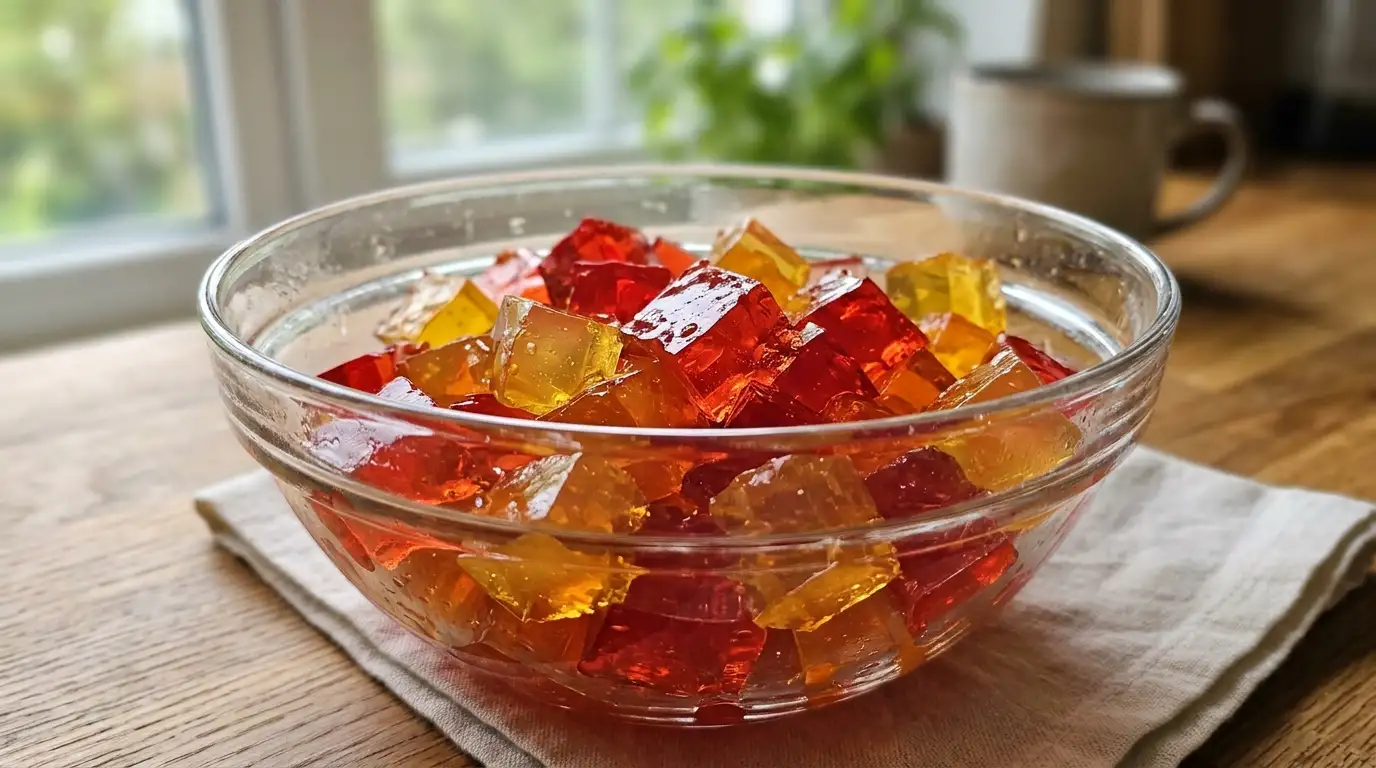
From a visual standpoint, gelatin vs pectin also shows clear contrasts. Gelatin creates transparent, glossy gels that look almost glass-like, making it perfect for clear desserts and decorative layers. Pectin gels are usually more opaque, especially when made with fruit purées, giving them a natural, homemade appearance.
These visual and textural differences explain why texture should always guide your choice. If you’re aiming for elegance and softness, gelatin is often the better option. If you need firmness and definition, pectin usually wins.
Acid tolerance comparison
Acidity is one of the most critical factors in the gelatin vs pectin comparison, and it’s also where many recipes fail without a clear explanation. Fruits, citrus juices, and fermented ingredients can dramatically change how a gel sets, depending on which gelling agent you choose.
How gelatin reacts to acidic environments
Gelatin is highly sensitive to acids. When exposed to low pH levels, its protein structure weakens, making it harder—or sometimes impossible—for the gel to set properly. This is why recipes containing pineapple, kiwi, citrus, or passion fruit often stay liquid even after chilling.
In the gelatin vs pectin debate, this limitation is a major drawback for gelatin in fruit-forward recipes. Acid interferes with gelatin’s ability to form stable bonds, especially when combined with heat or enzymes.
Why pectin thrives with acid
Pectin behaves in the opposite way. In fact, acid is not an enemy—it’s a requirement. Pectin needs a specific combination of acidity and sugar to activate its gelling properties. That’s why fruit jams, jellies, and marmalades rely on pectin to achieve a firm, reliable set.
When comparing gelatin vs pectin, pectin clearly wins in acidic conditions. Citrus fruits, berries, and tropical fruits all work well with pectin, provided the recipe maintains the right balance. This makes pectin the safer choice for recipes where acidity can’t be avoided.
Practical takeaway for acidic recipes
If your recipe contains acidic fruits or juices, the gelatin vs pectin choice becomes straightforward. Gelatin may struggle or fail entirely, while pectin is designed to succeed. Understanding this distinction saves time, ingredients, and frustration in the kitchen.
Fruit-based recipes
Fruit-based recipes are where the gelatin vs pectin choice becomes especially important. While fruits add flavor, color, and natural sweetness, they also introduce enzymes and acids that can completely change how a gel behaves.
Fruits that interfere with gelatin
Some fruits actively prevent gelatin from setting. Fresh pineapple, kiwi, papaya, mango, and figs contain enzymes that break down gelatin’s protein structure. Even if the recipe is chilled correctly, the gel may remain runny or only partially set.
In the gelatin vs pectin comparison, this is one of gelatin’s biggest weaknesses. Heating these fruits can deactivate the enzymes, but that step isn’t always desirable, especially in fresh or raw desserts. A detailed breakdown of problematic fruits and why they fail with gelatin is available in fruits that ruin gelatin.
Why pectin works better with fruit
Pectin naturally exists in fruit cell walls, so it’s already adapted to fruit-based environments. Instead of being broken down by fruit components, pectin actually relies on fruit acids and sugars to form a stable gel. This makes it the standard choice for jams, jellies, fruit fillings, and glazes.
When weighing gelatin vs pectin for fruit desserts, pectin offers predictability. It sets reliably, holds its shape, and remains stable at room temperature, which is essential for spreads and layered pastries.
Choosing the right gelling agent for fruit desserts
For creamy fruit mousses or chilled desserts where a soft texture is the goal, gelatin can still work—provided enzyme-rich fruits are avoided or cooked first. For anything fruit-forward, sliceable, or spreadable, pectin is usually the smarter option.
This clear divide in performance explains why fruit-based recipes often determine the final decision in the gelatin vs pectin debate.
Blending gelatin and pectin
Blending gelling agents is an advanced technique that opens new possibilities in the gelatin vs pectin discussion. Instead of choosing one over the other, some recipes benefit from using both to achieve textures that neither ingredient can create alone.
Why combine gelatin and pectin?
Gelatin brings elasticity, smoothness, and melt-in-the-mouth softness. Pectin adds structure, stability, and resistance to acid. When combined correctly, they can balance each other’s weaknesses while enhancing their strengths.
In the gelatin vs pectin comparison, this hybrid approach is especially useful for modern desserts that need to look sharp but still feel creamy when eaten. Examples include fruit-forward entremets, layered cakes, and plated desserts where clean cuts and pleasant mouthfeel are equally important.
How hydrocolloid blends improve stability
Using both agents allows better control over texture across temperatures. Gelatin alone may soften too much at room temperature, while pectin alone can feel rigid or brittle. Together, they create a gel that holds its shape yet remains enjoyable on the palate.
When blending makes sense
Blending gelatin and pectin isn’t necessary for everyday recipes. For simple jams, pectin alone is enough. For classic chilled desserts, gelatin usually works best. However, when a recipe demands both elegance and structural reliability, combining them can be the ideal solution.
Understanding this option adds another layer to the gelatin vs pectin decision-making process, especially for cooks who want more control over texture and presentation.
Which one to choose and when
At this point, the gelatin vs pectin comparison becomes much clearer. The right choice depends less on personal preference and more on the recipe’s structure, ingredients, and final use.
Choose gelatin when…
Gelatin is the better option when you want a soft, creamy, and elastic texture. It works best in chilled desserts where melt-in-the-mouth sensation matters more than firmness. Recipes like panna cotta, mousses, marshmallows, and no-bake cakes benefit from gelatin’s flexibility and clarity.
In the gelatin vs pectin decision process, gelatin also makes sense when you need a gel that can be re-melted or adjusted after setting. However, it should be avoided in highly acidic or enzyme-rich fruit recipes unless the fruits are cooked first.
Choose pectin when…
Pectin is ideal for fruit-heavy and acidic recipes. Jams, jellies, fruit fillings, and glazes rely on pectin for reliable structure and shelf stability. Unlike gelatin, pectin holds its shape at room temperature and thrives in acidic environments.
When comparing gelatin vs pectin, pectin is also the clear choice for plant-based or vegan recipes. Its firm, clean texture suits spreads and layered desserts that require precise cuts and defined edges.
Quick decision guide
If the recipe is creamy, chilled, and low in acid, gelatin is usually the winner. If the recipe is fruit-forward, acidic, or needs to stay stable without refrigeration, pectin is the safer and more effective option. For advanced applications, blending both can deliver the best of both worlds.
This practical framework helps remove guesswork from the gelatin vs pectin debate and ensures better results every time.
Frequently Asked Questions (FAQs)
The main difference in gelatin vs pectin lies in origin and behavior. Gelatin is animal-based and creates elastic, maelt-in-the-mouth gels, while pectin is plant-based and forms firm, structured gels that work well with fruit and acid.
Yes, in most cases. In the gelatin vs pectin comparison, pectin performs better with acidic fruits and enzymes that weaken gelatin, making it more reliable for jams and fruit desserts.
You can, but it’s not a direct swap. Gelatin and pectin require different activation methods and ratios. Understanding these differences is essential when substituting one for the other.
Acid weakens gelatin’s protein structure, preventing proper gel formation. This issue is a key factor in the gelatin vs pectin discussion and explains why gelatin struggles with citrus and tropical fruits.
Yes. Gelatin is derived from animal collagen, while pectin is plant-based, making it suitable for vegan and vegetarian diets.
Yes, blending them can improve texture and stability in advanced recipes. This hybrid approach is sometimes used in modern pastry and dessert design
Conclusion
Choosing between gelatin vs pectin doesn’t have to be confusing. Gelatin excels in creamy, chilled desserts where smooth, elastic texture is desired, while pectin shines in fruit-heavy, acidic recipes that need reliable structure and stability. By understanding their unique properties, acid tolerance, and compatibility with different fruits, you can confidently select the right gelling agent for each recipe—or even blend them for advanced culinary results. Whether you’re making panna cotta, jams, or layered desserts, mastering the gelatin vs pectin choice ensures perfect texture and consistent results every time.