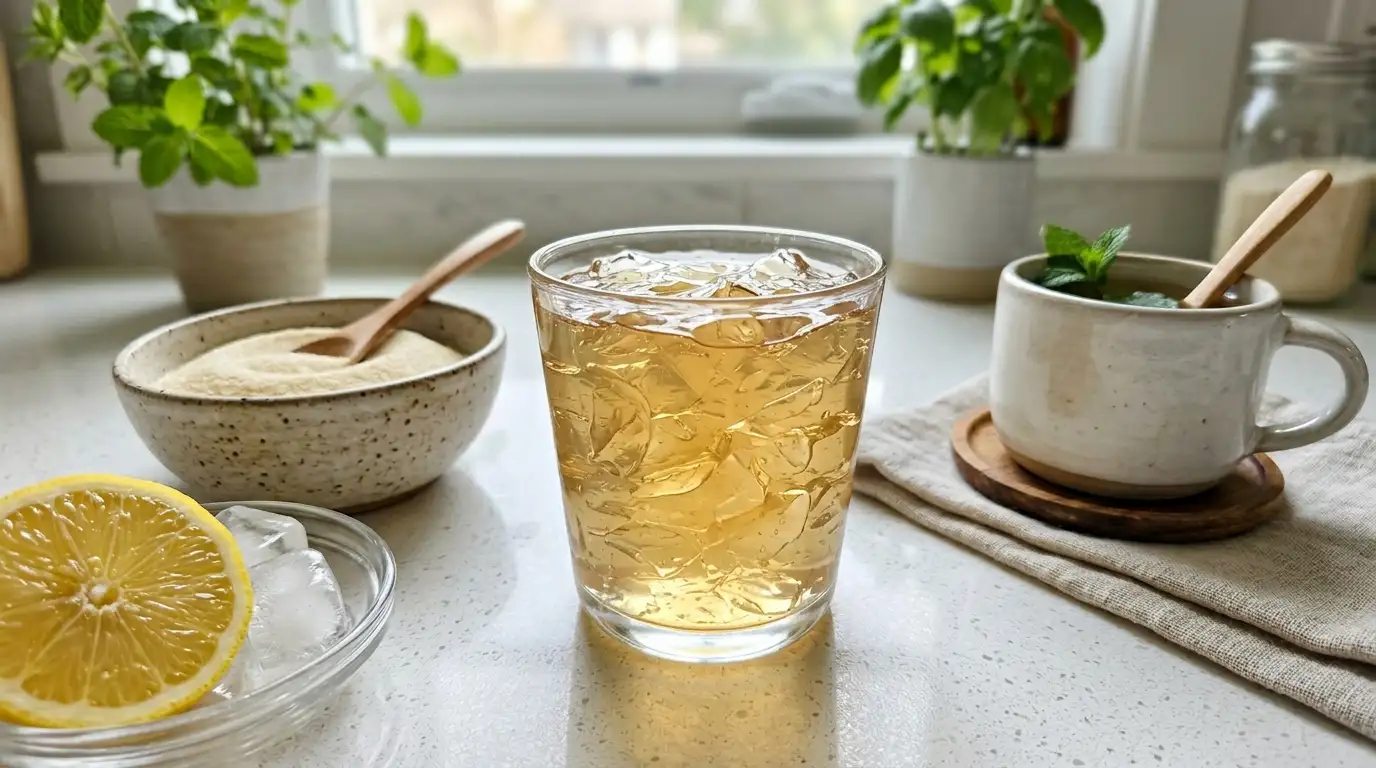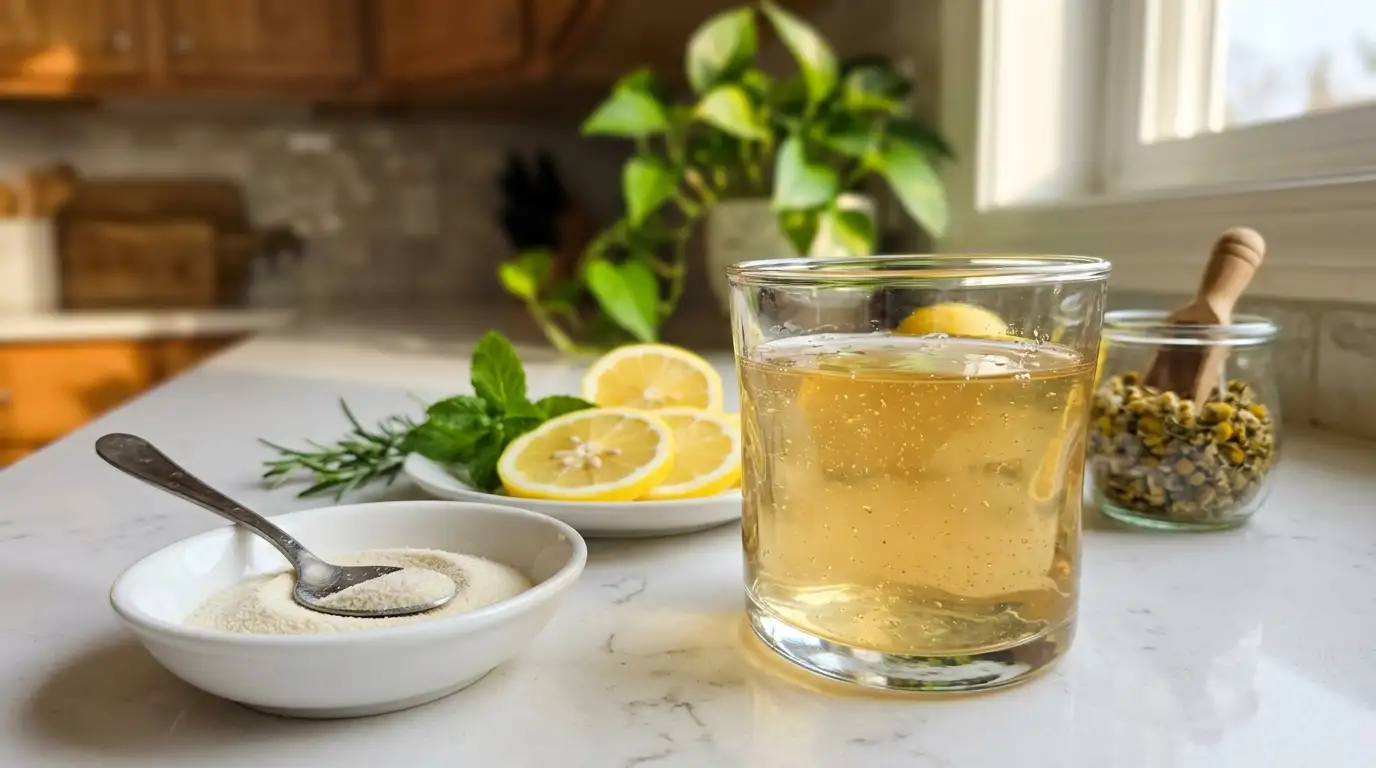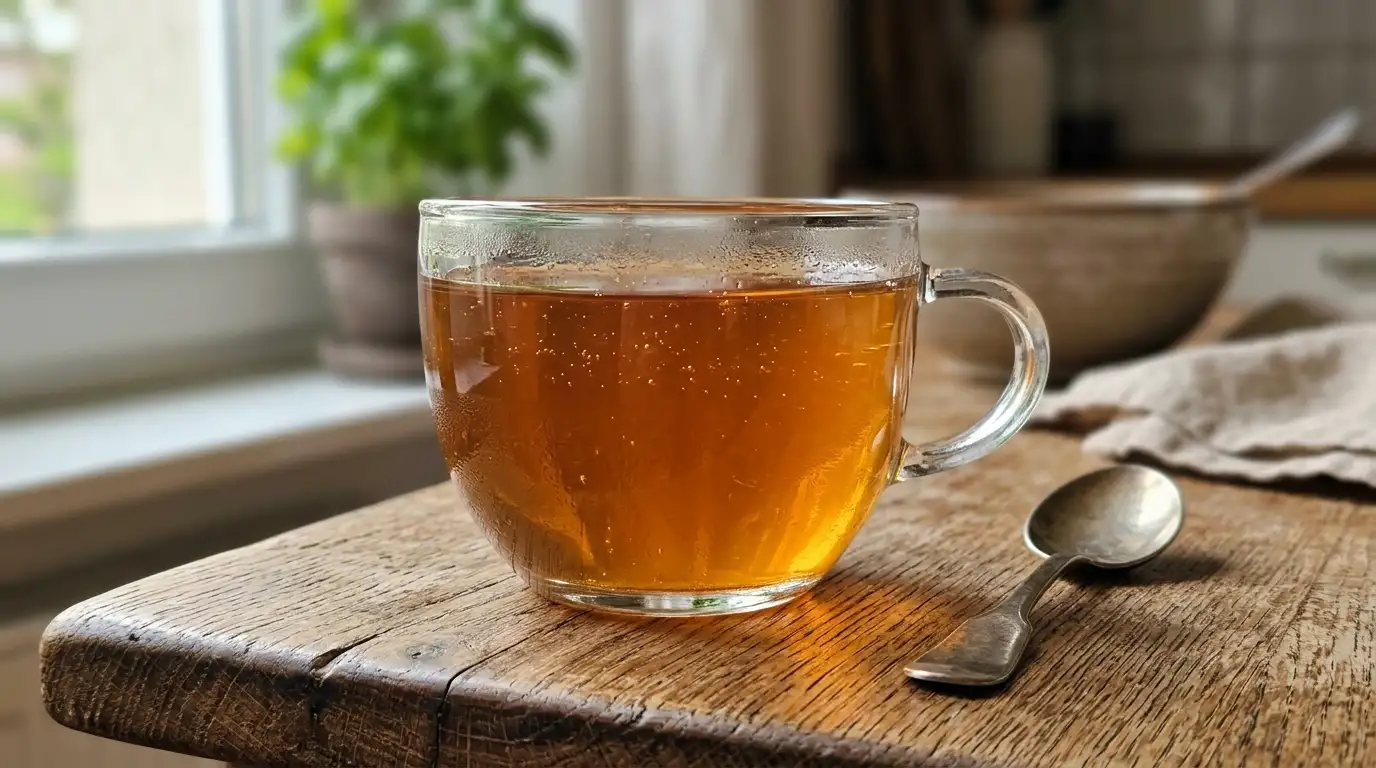
This soup dumpling recipe with gelatin shows you exactly how to recreate those juicy, broth-filled dumplings at home using a simple, reliable method. The secret lies in gelatin, an ingredient that allows the soup to stay solid during assembly and melt beautifully once steamed.
Beyond texture and flavor, gelatin plays a functional role in traditional cooking and digestion. When used in foods like soup dumplings, it adds richness while supporting gentle digestion through collagen-derived proteins. That’s why gelatin-rich recipes often fit naturally into discussions about gut-friendly meals and balanced eating habits.
In this guide, you’ll learn what gelatin is, why it’s essential for soup dumplings, how it creates the signature soup filling, and how this classic technique connects to the broader digestive benefits of gelatin-based foods.
What Is Gelatin and Why It’s Used in Soup Dumplings
What Gelatin Is Made Of
Gelatin is a natural protein derived from collagen, typically sourced from animal bones, skin, and connective tissue. When collagen is slowly cooked and then dried, it forms gelatin, which has a unique ability to absorb liquid and firm up when cooled.
In cooking, gelatin is flavorless and odorless, making it ideal for recipes where texture matters more than taste. You’ll often find it in broths, aspics, and traditional dishes that rely on natural thickening rather than starches or additives.
Why Traditional Soup Dumplings Use Gelatin
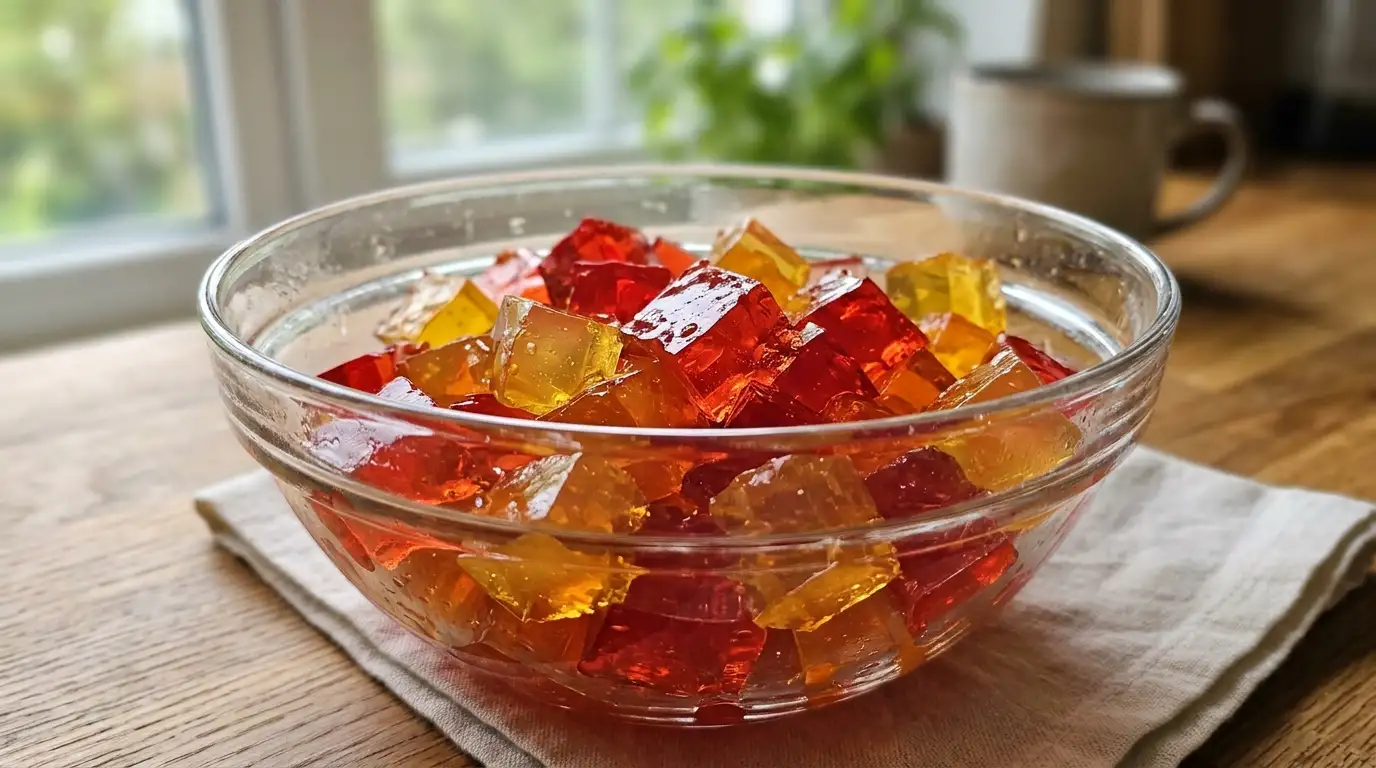
Soup dumplings rely on a clever technique: the soup is solid when cold and liquid when hot. Gelatin makes this possible. Once dissolved into a rich broth and chilled, it turns into a soft gel that can be cut into cubes and mixed into the filling.
During steaming, the gelatin melts, releasing flavorful soup inside the dumpling wrapper. Without gelatin, it would be almost impossible to trap liquid broth inside a raw dumpling without it leaking or tearing.
This method has been used for generations because it’s simple, effective, and produces consistently juicy dumplings with every bite.
Gelatin Health Benefits Beyond Cooking
Outside of its culinary role, gelatin is often discussed for its digestive and structural benefits. It contains amino acids that support the gut lining and may help make foods easier to digest when included as part of a balanced diet.
Because of this, gelatin-rich foods are frequently mentioned alongside broader discussions about digestion and wellness. Many people explore these gelatin health benefits through both solid foods and drinks, depending on their lifestyle and preferences.
In soup dumplings, gelatin offers a practical example of how a traditional ingredient can enhance both texture and overall eating experience without relying on processed thickeners or artificial additives.
How Gelatin Creates the Soup Inside Dumplings
The Science Behind Gelatin Aspic
The magic behind xiao long bao starts long before the dumplings are folded. It begins with gelatin’s ability to transform liquid broth into a soft, sliceable gel known as aspic.
When gelatin is added to hot broth, it dissolves completely. As the mixture cools, the gelatin molecules form a loose network that traps liquid inside. The result is a firm but tender gel that holds its shape when cold, yet melts easily when heated.
This property is what makes gelatin essential for soup dumplings. Unlike starch or flour, gelatin doesn’t thicken the broth permanently. Instead, it creates a temporary structure that disappears during cooking.
From Solid Gelatin to Liquid Soup
Once the gelatin broth has fully set, it’s cut into small cubes and mixed into the dumpling filling. At this stage, the filling feels solid and manageable, not wet or messy.
During steaming, the heat causes the gelatin to melt back into liquid. Inside the sealed dumpling wrapper, that liquid has nowhere to escape. This is how xiao long bao develops its signature burst of hot soup when bitten into.
Timing and temperature are key. The gelatin must be firm enough during assembly but designed to melt quickly once exposed to steam. When done correctly, each dumpling becomes a self-contained soup bowl.
Why This Method Works Better Than Liquid Broth
Trying to add liquid broth directly to dumpling filling almost always leads to leaks. The dough softens, seams break, and the soup escapes before cooking is complete.
Gelatin solves this problem by turning liquid into a solid at the right moment. It allows home cooks to replicate the same technique used in professional kitchens without specialized equipment.
This method is not only practical but reliable. Whether you’re making classic pork xiao long bao or a lighter variation, gelatin ensures consistent results and that unmistakable soup-filled center.
Ingredients for Soup Dumplings with Gelatin
Making xiao long bao at home doesn’t require exotic ingredients, but each component has a specific role. From the dough to the gelatin broth, accuracy matters more than complexity. Below is a clear breakdown to help you understand not just what to use, but why it’s used.
Dough Ingredients
The dough for soup dumplings needs to be soft, elastic, and thin enough to hold soup without tearing.
- All-purpose flour
- Warm water
- A pinch of salt
Warm water is essential here. It relaxes the gluten, making the dough easier to roll thin while still strong enough to seal tightly around the filling.
Gelatin Soup Filling Ingredients
This is the heart of xiao long bao. The gelatin-based soup filling is what creates the iconic burst of broth.
- Rich broth or stock (chicken or pork works best)
- Unflavored gelatin
- Ground pork or finely chopped chicken (optional but traditional)
- Fresh ginger
- Scallions
- Soy sauce
- Sesame oil
The broth should be flavorful on its own, because once sealed inside the dumpling, it becomes the main taste element. Gelatin simply carries that flavor in solid form.
Choosing the Best Gelatin for Dumplings
Not all gelatin behaves the same way, so choosing the right type matters.
- Unflavored powdered gelatin is the easiest and most consistent option for home cooks
- Gelatin sheets also work but require precise soaking and weighing
- Avoid flavored or sweetened gelatin, which will ruin both texture and taste
For xiao long bao, the goal is a clean melt. The gelatin should fully dissolve when heated and leave no residue or grainy texture in the soup.
Ingredients Overview Table
| Ingredient | Purpose in the Recipe |
|---|---|
| Flour | Forms elastic dumpling wrappers |
| Warm water | Softens dough for thin rolling |
| Broth | Creates the soup base |
| Gelatin | Solidifies broth for assembly |
| Ginger | Adds warmth and aroma |
| Scallions | Freshness and balance |
| Ground meat | Traditional savory filling |
| Soy sauce | Depth and umami |
| Sesame oil | Aroma and richness |
Each ingredient supports the structure and flavor balance that makes xiao long bao so distinctive. When measured correctly, they work together to create dumplings that are juicy, stable, and deeply satisfying.
Step-by-Step Soup Dumpling Recipe with Gelatin
This step-by-step method breaks the process into simple, manageable actions. Take your time with each stage. Precision matters, but the technique is easier than it looks once you understand the flow.
Step 1 – Prepare the Gelatin Broth
Start by pouring the broth into a saucepan and gently heating it until hot but not boiling. Sprinkle the unflavored gelatin evenly over the surface and let it bloom for a few minutes. This step prevents clumps and ensures a smooth texture.
Stir until the gelatin is fully dissolved. Remove from heat and let the mixture cool slightly, then transfer it to a shallow container. Refrigerate until fully set. The broth should be firm enough to cut cleanly into cubes.
This gelatin broth is what will later transform into soup inside the xiao long bao.
Step 2 – Make and Rest the Dough
Place the flour and salt in a mixing bowl. Gradually add warm water while stirring until a dough forms. Knead until smooth and elastic, about 8 to 10 minutes.
Cover the dough and let it rest at room temperature for at least 30 minutes. Resting relaxes the gluten, making it much easier to roll thin wrappers without shrinkage or tearing.
Step 3 – Prepare the Filling
Finely chop the ginger and scallions, then mix them with the ground meat, soy sauce, and sesame oil. Once the gelatin broth is fully set, cut it into small cubes.
Gently fold the gelatin cubes into the meat mixture. Keep everything cold at this stage. A chilled filling helps the gelatin stay solid and easier to handle during assembly.
Step 4 – Assemble the Soup Dumplings

Divide the dough into small, even pieces and roll each one into a thin circle, keeping the center slightly thicker than the edges.
Place a spoonful of filling in the center of each wrapper. Carefully pleat the edges, rotating the dumpling as you go, until fully sealed at the top. A tight seal is essential to keep the soup inside while steaming.
This folding technique is what gives xiao long bao their signature shape and structure.
Step 5 – Steam and Serve
Line a steamer basket with parchment paper or cabbage leaves to prevent sticking. Arrange the dumplings with space between them.
Steam over boiling water for about 8 to 10 minutes. As the dumplings cook, the gelatin melts and turns back into liquid soup inside the wrapper.
Serve immediately while hot. Take care when biting in, as the soup inside will be very hot and full of flavor.
Digestive Benefits of Gelatin-Rich Foods
Gelatin-rich foods have been used in traditional cooking for generations, not just for texture, but also for how they feel on the digestive system. In dishes like xiao long bao, gelatin plays a subtle role that goes beyond creating soup inside the dumpling.
How Gelatin Supports Digestion
Gelatin is derived from collagen and contains amino acids that are known to support the gut lining. When consumed as part of a meal, gelatin-rich foods may help make digestion feel smoother, especially for people who prefer warm, cooked dishes over raw or heavily processed foods.
Because gelatin absorbs liquid and softens when heated, it blends easily with other ingredients during digestion. This is one reason broth-based recipes and gelatin-containing foods are often described as comforting and easy on the stomach.
Gelatin Compared to Other Digestive-Friendly Foods
Many digestive-focused diets emphasize fiber, fermented foods, or probiotics. While those can be helpful, gelatin works differently. Instead of feeding gut bacteria, it focuses on the structure of digestion by supporting the intestinal lining and adding easily digestible protein.
In meals like xiao long bao, gelatin is consumed in moderate amounts, paired with carbohydrates and protein. This balance can feel more satisfying than drinking a gelatin-based beverage alone.
Gelatin Foods vs Gelatin Drinks
Some people prefer to consume gelatin in liquid form, while others get it through food. Solid dishes, such as soup dumplings, slow down eating and encourage mindful chewing, which can naturally support digestion.
Both approaches can coexist, depending on lifestyle and preferences, without positioning either as a strict detox solution.
Soup Dumplings vs Gelatin Detox Drinks
Both soup dumplings and gelatin-based drinks rely on the same core ingredient, yet they serve very different purposes. Understanding how each fits into a balanced diet helps avoid unrealistic expectations around digestion and so-called detox routines.
Nutritional Differences Between Solid Foods and Drinks
Soup dumplings deliver gelatin as part of a complete meal. They combine carbohydrates, protein, and fat, which slows digestion and increases satiety. This makes them suitable for regular meals rather than short-term routines.
Gelatin drinks, on the other hand, are usually consumed between meals or in the morning. They provide hydration and gelatin in a lighter format but lack the structural nutrients found in solid foods.
When Food-Based Gelatin Makes More Sense
Eating gelatin through meals encourages mindful eating and natural digestion rhythms. Chewing, warmth, and texture all contribute to how the body processes food.
For people who prefer sustainable habits over quick fixes, solid gelatin-rich dishes often feel more satisfying and realistic long term. Meals also reduce the risk of relying too heavily on liquid-based routines.
How Both Fit Into a Balanced Diet
Rather than choosing one approach over the other, many people alternate between foods and drinks depending on their needs. A warm meal with gelatin may feel ideal in the evening, while a lighter option can work earlier in the day.
Can Gelatin Foods Support Detox Naturally?
The word “detox” is often misunderstood. In reality, the body already has built-in systems for eliminating waste, mainly through the liver and digestive tract. Foods don’t detox the body directly, but they can support the processes that are already in place.
What “Natural Detox Support” Really Means
Natural detox support focuses on helping digestion function smoothly. When digestion is efficient, the body is better equipped to process nutrients and eliminate waste through normal metabolic pathways.
Warm, cooked foods are often easier to digest than raw or heavily processed meals. Gelatin-rich dishes fall into this category because of their soft texture and liquid-binding properties, which can make meals feel gentler on the stomach.
How Gelatin Fits Without Detox Claims
Gelatin does not cleanse the body or remove toxins on its own. Instead, it contributes amino acids that support the gut lining and help maintain digestive comfort. This distinction is important for keeping expectations realistic and avoiding misleading health claims.
In food-based recipes, gelatin works as part of a broader dietary pattern rather than a short-term solution. When paired with balanced meals, it can complement other digestion-friendly habits like hydration and regular eating times.
Who May Benefit Most from Gelatin Foods
People who experience digestive sensitivity, prefer warm meals, or are reducing ultra-processed foods may find gelatin-rich dishes easier to tolerate. These foods can also appeal to those looking for traditional cooking methods that emphasize simplicity and function.
Rather than replacing meals or routines, gelatin foods fit best when used consistently and moderately as part of everyday eating.
Frequently Asked Questions About Soup Dumplings with Gelatin
Gelatin allows the broth to solidify when cold and melt when heated. This makes it possible to trap soup inside the dumpling during assembly and release it as liquid once steamed. Without gelatin, the soup would leak before cooking.
It’s technically possible, but much more difficult. Gelatin provides structure and reliability. Without it, the filling becomes too wet, increasing the risk of broken wrappers and lost soup during steaming.
Gelatin contains amino acids derived from collagen that may support the gut lining when eaten as part of a balanced meal. In warm, cooked dishes like soup dumplings, it is often considered gentle on digestion.
Unflavored powdered gelatin is the most practical choice for home cooking. It dissolves evenly, sets reliably, and melts cleanly during steaming. Flavored or sweetened gelatin should always be avoided.
They serve different purposes. Soup dumplings provide gelatin as part of a complete meal with protein and carbohydrates, while gelatin drinks are lighter and usually consumed between meals. One is not inherently better than the other.
Gelatin-rich foods do not detox the body directly. However, by supporting digestion and fitting into a balanced diet, they may help the body’s natural elimination processes work more efficiently without relying on extreme detox methods.
Conclusion: Why Soup Dumplings with Gelatin Are Worth Making
This soup dumpling recipe with gelatin shows how a traditional cooking technique can deliver both flavor and function in a single dish. By using gelatin to trap broth inside the dumplings, you get a rich, satisfying texture that’s difficult to achieve with other methods.
Beyond the recipe itself, gelatin-rich foods highlight a broader approach to eating that prioritizes warmth, balance, and digestibility. Instead of relying on restrictive routines, incorporating gelatin into meals allows digestion to be supported naturally as part of everyday food choices.
For those interested in exploring gelatin beyond solid dishes, options like gelatin-based detox drinks can complement meals when used thoughtfully. Together, these approaches reinforce the idea that simple, traditional ingredients can play a meaningful role in a balanced diet—without extreme claims or short-term fixes.