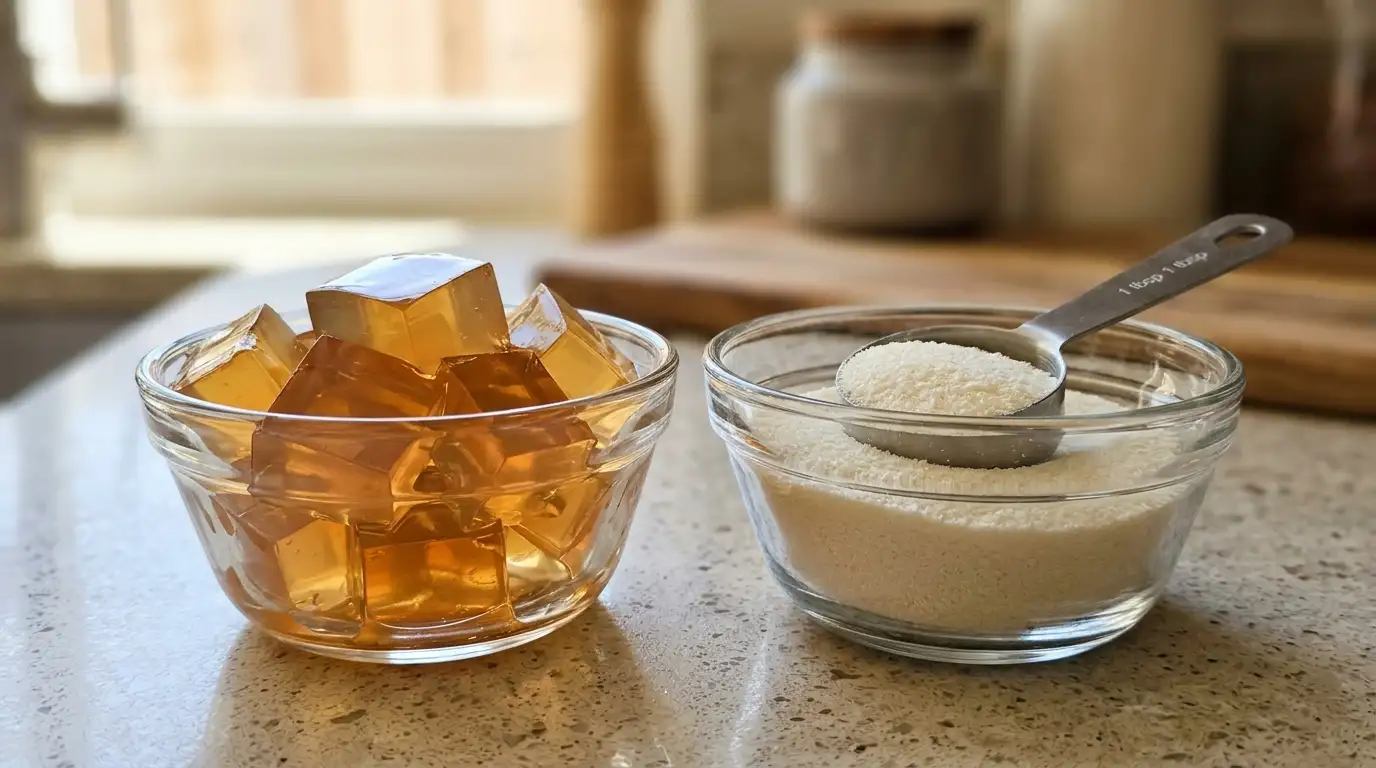
When comparing gelatin vs collagen, most people focus on health benefits, yet the real distinction lies deeper—in structure, functionality, and practical use. Although both proteins come from the same animal sources and share a similar amino acid profile, they behave very differently once processed, heated, or consumed. Because of that, choosing between gelatin and collagen isn’t just a nutrition question—it’s also a matter of structure, performance, and application. In this article, we’ll break down the key differences between gelatin and collagen, explore how their structures affect functionality, and help you choose the right protein based on your nutritional or culinary needs.
Gelatin vs Collagen Differences
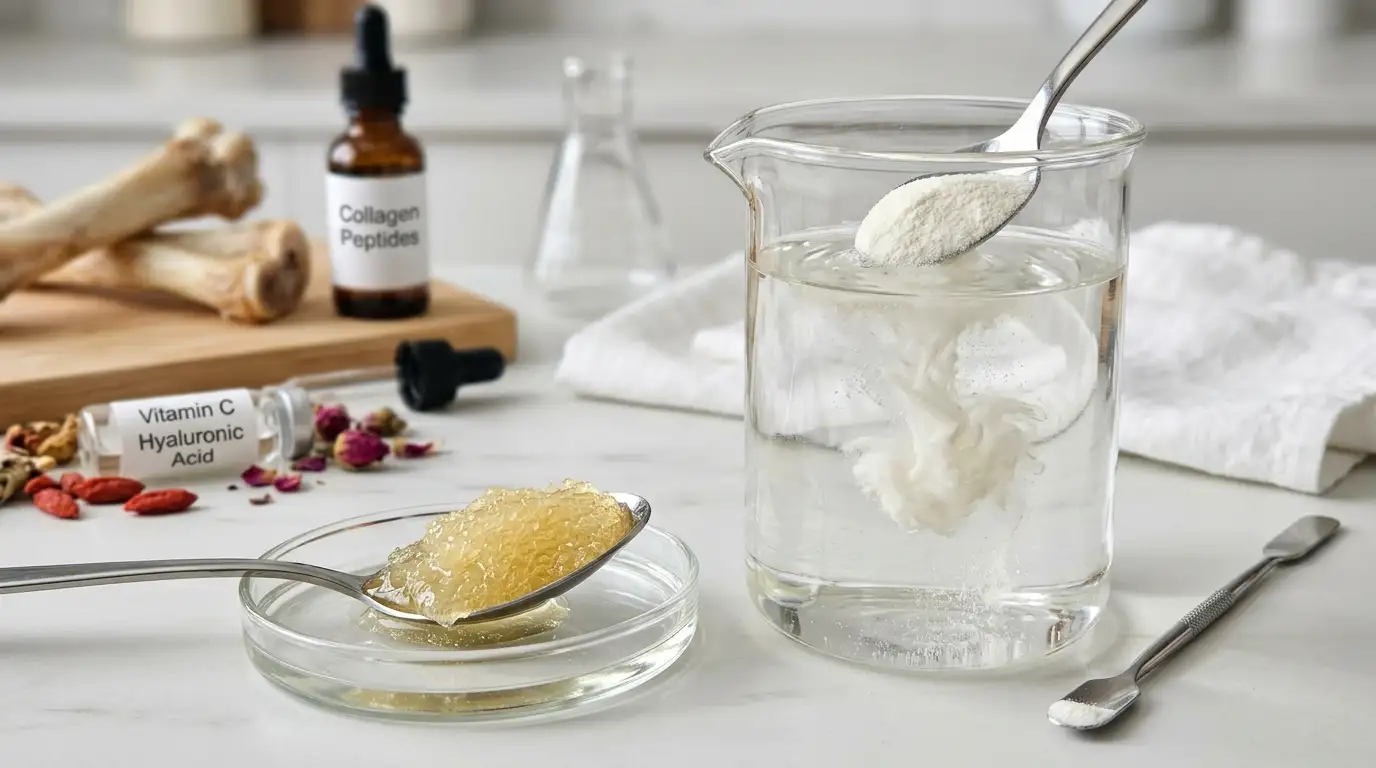
Understanding the real differences between gelatin vs collagen starts with how these two proteins are processed and used. While they come from the same raw material, their final form, behavior, and applications are not the same at all. That’s why many people feel confused when choosing between them.
Structure and Functionality
Collagen is the original structural protein found in animal connective tissues like skin, bones, and cartilage. In its natural state, collagen has a triple-helix structure, which gives strength and flexibility to joints, skin, and ligaments. However, this native form is not easy for the body to absorb.
Gelatin, on the other hand, is collagen that has been partially broken down through heat and water. This process changes the structure, allowing gelatin to dissolve in warm liquid and form a gel when cooled. Because of this transformation, gelatin gains functional properties that collagen does not naturally have.
In simple terms:
- Collagen = structural support in the body
- Gelatin = functional protein with gelling power
This structural difference explains why collagen is mostly used in supplements, while gelatin shines in culinary and technical applications.
Melting Behavior Comparison
One of the most practical differences in the gelatin vs collagen debate is how each protein reacts to temperature. Collagen peptides dissolve easily in hot or cold liquids but do not gel. Gelatin behaves differently—it melts when heated and sets again as it cools.
This melting-and-setting cycle is what makes gelatin so valuable in cooking, baking, and food formulation. It also explains why gelatin-based desserts melt in your mouth but stay solid at room temperature.
Because collagen lacks this melting behavior, it cannot replace gelatin in recipes that rely on texture, stability, or structure.
Culinary vs Supplement Use
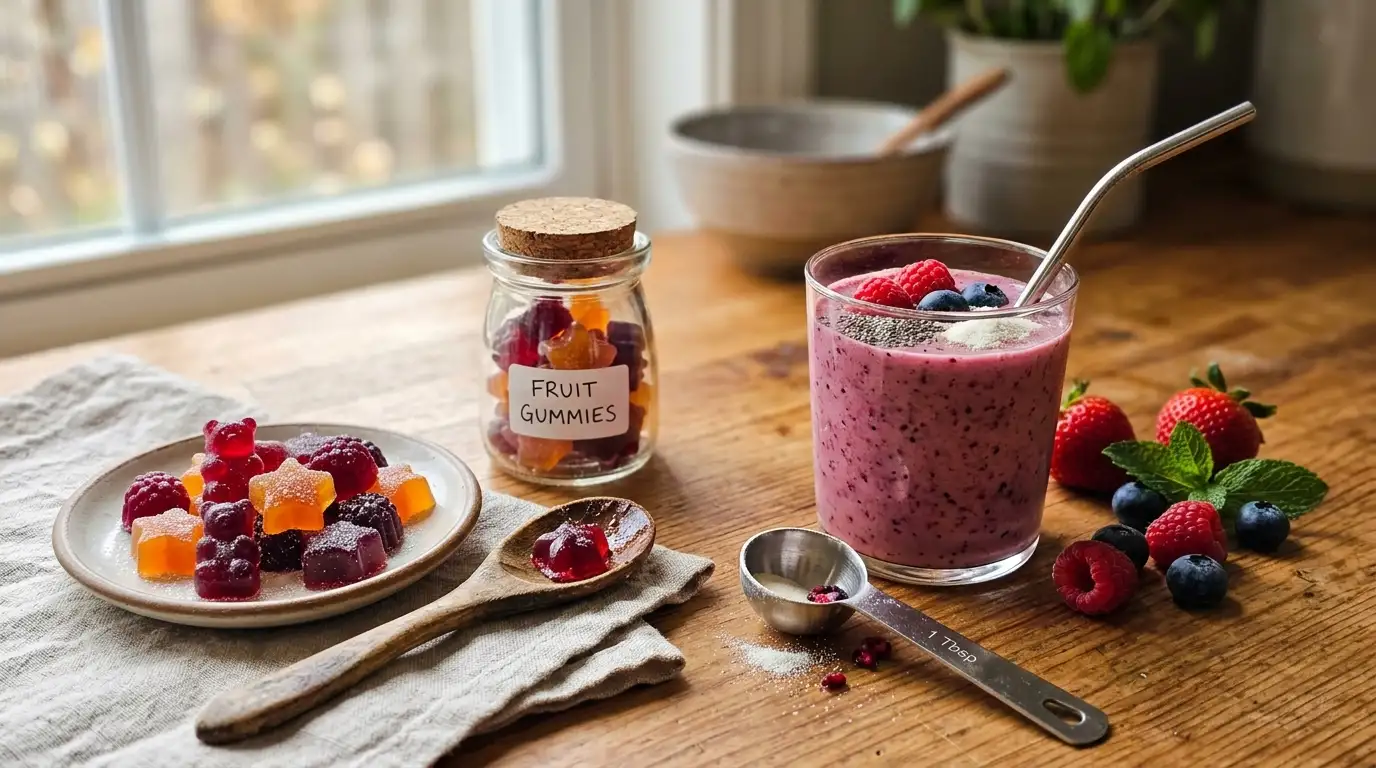
When comparing gelatin vs collagen, usage is where the difference becomes very clear. Even though both come from collagen-rich animal sources, they are designed for very different purposes once processed.
Gelatin in Cooking and Food Applications
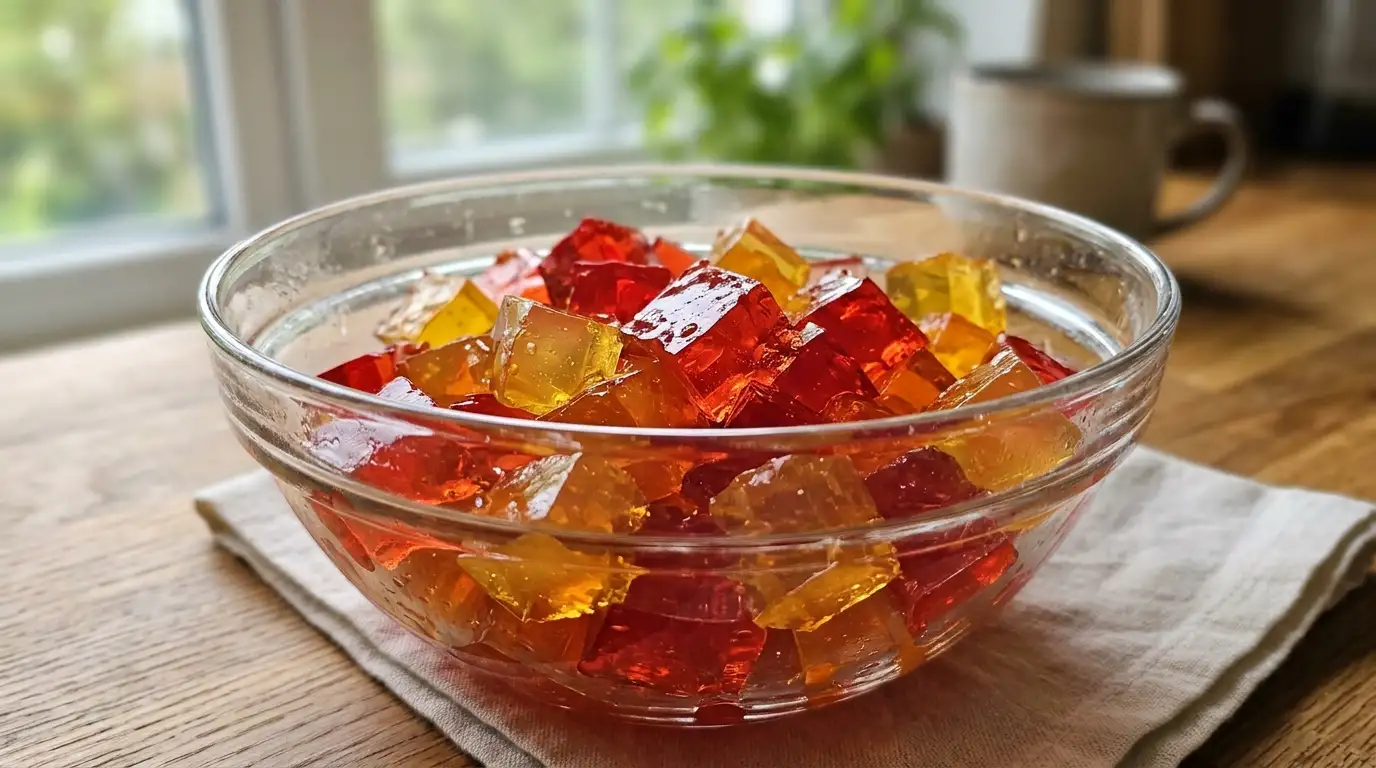
Gelatin is widely used in cooking because of its unique gelling ability. When dissolved in warm liquid and cooled, it forms a stable gel that holds shape while staying soft and elastic. This makes gelatin essential for recipes like desserts, aspics, gummies, marshmallows, and even savory dishes.
Another key advantage is texture control. By adjusting concentration and strength, gelatin can create anything from a light wobble to a firm structure. This level of control is something collagen simply cannot offer in culinary use.
The quality of gelatin matters here, especially when consistency and firmness are important. Factors like bloom strength directly influence how strong or soft the final gel will be.
Collagen Supplements and Daily Intake
Collagen, especially in the form of collagen peptides, is mainly used as a dietary supplement. It dissolves easily in hot or cold liquids and has no taste or texture once mixed. Because it does not gel, collagen is ideal for drinks, smoothies, coffee, and shakes.
From a nutrition perspective, collagen supplements are popular for supporting:
- Joint comfort
- Skin elasticity
- Hair and nail strength
However, collagen does not provide the structural or textural benefits needed in cooking. That’s why it works best when the goal is convenient protein intake, not food structure.
Why One Cannot Replace the Other
A common mistake is assuming gelatin and collagen are interchangeable. In reality:
- Gelatin cannot fully replace collagen supplements for convenience
- Collagen cannot replace gelatin in recipes that rely on structure
Choosing the right one depends on how you plan to use it, not just on nutrition claims.
Choosing the Right Protein
Choosing between gelatin vs collagen depends entirely on your goal. While both proteins support nutrition and structure in different ways, they are not designed to solve the same problems.
Nutrition Goals vs Functional Needs
If your main focus is daily protein intake or supporting joints, skin, and connective tissue, collagen peptides are usually the better option. They are easy to mix, quick to consume, and fit naturally into drinks and supplements without changing texture.
On the other hand, if your goal involves structure, texture, or stability, gelatin is the clear winner. Its ability to gel, melt, and reset makes it essential for culinary use. From a functional standpoint, gelatin behaves more like a building material, while collagen works more like a nutritional additive.
How to Decide Based on Use Case
To simplify the choice:
- Choose collagen if you want convenience, fast absorption, and no texture
- Choose gelatin if you need firmness, elasticity, or structure in food
Some people even use both—collagen for daily nutrition and gelatin for cooking—because each protein excels in its own role.
Understanding these differences helps avoid wasted money and disappointing results. Once you match the protein to the purpose, the benefits become much more consistent.
Frequently Asked Questions About Gelatin vs Collagen
The main difference is structure and function. Collagen is a structural protein used mainly in supplements, while gelatin is collagen that has been partially broken down, giving it gelling properties.
Yes, gelatin is made by heating collagen in water. This process changes the protein structure, allowing gelatin to dissolve when warm and form a gel when cooled.
Collagen is generally preferred for joint support because it is easier to consume regularly. However, gelatin still contains similar amino acids and can support connective tissue when included in the diet.
Gelatin provides many of the same amino acids, but it is less convenient. Collagen supplements are easier to digest and consume daily, especially in drinks.
Not always. Gelatin changes texture and sets into a gel, which makes it unsuitable for drinks or recipes that require a smooth liquid.
Gelatin is better for cooking because it provides structure, firmness, and texture. Collagen does not gel and cannot replace gelatin in most recipes.