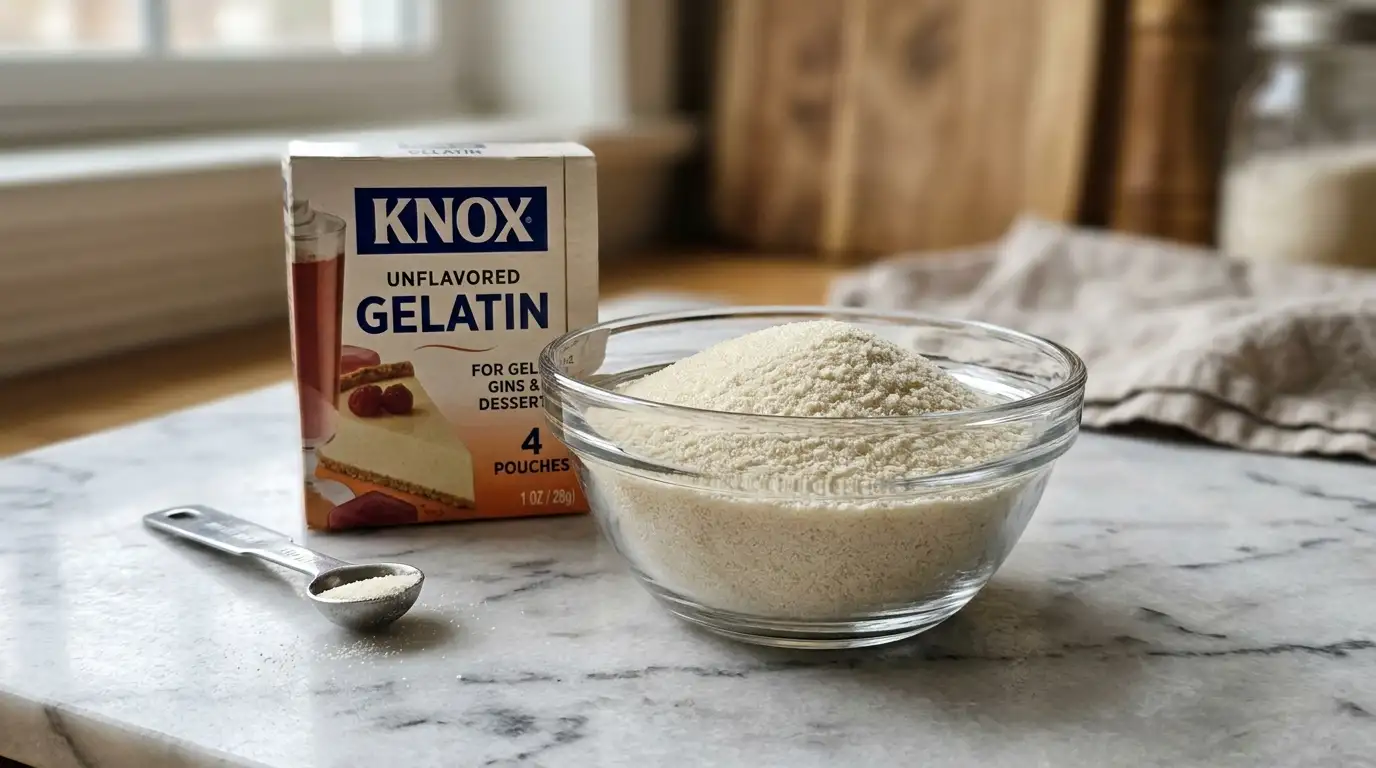
Knox gelatin is one of the most recognized gelatin brands in the United States, especially when it comes to reliable gelling, consistent texture, and easy-to-follow results. Whether you’re preparing classic desserts, homemade gummies, or savory dishes, this brand is often the go-to choice for both home cooks and professionals. Because it sits firmly at the bottom of the funnel, understanding how Knox gelatin works, what it’s made of, and how it compares to alternatives is essential before using it in recipes. In this guide, you’ll learn what Knox gelatin really is, how it differs from other gelatin products, and why technical factors like bloom strength and gelling behavior matter.
What Is Knox Gelatin?
Overview of the Knox gelatin brand
Knox gelatin is a well-established brand known for producing unflavored powdered gelatin designed for dependable results. Over the years, it has become a pantry staple in American kitchens thanks to its consistency, neutral taste, and predictable performance. Because Knox gelatin is standardized, recipes that call for it tend to deliver the same texture every time, which is a major reason for its popularity.
What Knox gelatin is made of
Knox gelatin is made from collagen extracted from animal sources, typically through controlled heating and processing. This collagen is then dried and ground into a fine powder. When hydrated and heated, it dissolves smoothly, and once cooled, it forms a stable gel. This simple composition explains why Knox gelatin works well in both sweet and savory applications without altering flavor.
Knox unflavored gelatin vs flavored gelatin
Knox gelatin is unflavored, which makes it different from dessert mixes that already contain sugar, flavorings, and colorants. Because it has no taste of its own, Knox gelatin can be used in a wide range of recipes, from fruit-based desserts to meat aspics. This flexibility gives cooks more control over sweetness, flavor intensity, and final texture.
How Knox gelatin differs from generic gelatin
Although many gelatin powders look similar, Knox gelatin stands out for its consistent quality and strength. Generic gelatin products may vary slightly in performance, which can affect firmness and setting time. With Knox gelatin, the standardized production process helps ensure predictable results, making it easier to follow recipes without adjustments.
Why Knox gelatin is widely used in cooking and baking
Knox gelatin is widely used because it is easy to measure, dissolves reliably, and sets firmly when cooled. It works well in molded desserts, layered dishes, and baked goods that require structure. Because of this reliability, many recipes specifically call for Knox gelatin instead of a generic alternative, especially when precise texture matters.
Bloom Strength of Knox Gelatin
What bloom strength means in gelatin
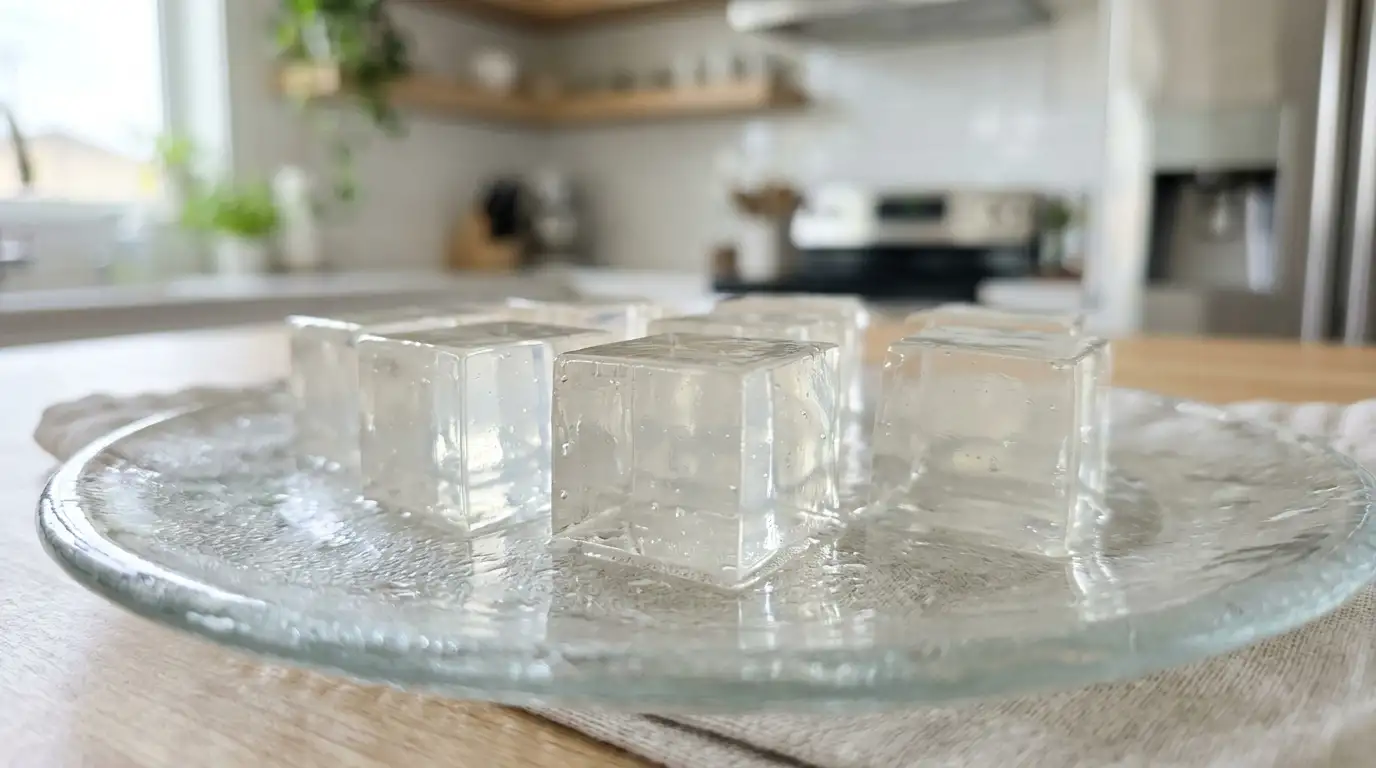
Bloom strength is a technical measurement that describes how firm a gelatin gel becomes once it sets. In simple terms, it tells you how strong the gelatin is. The higher the bloom value, the firmer and more elastic the final texture will be. Because of this, bloom strength plays a critical role in desserts, gummies, and molded recipes where structure really matters.
Bloom strength of Knox gelatin explained
Knox gelatin is generally considered a high-quality, standardized gelatin with a bloom strength that falls in the medium-to-high range. This means it produces a firm gel without becoming rubbery. Thanks to this balance, Knox gelatin works well in most home recipes without requiring complicated adjustments. Cooks can rely on it for consistent firmness, which is one of the reasons it’s so widely recommended in American recipes.
How Knox gelatin’s bloom strength affects texture
Because of its bloom strength, Knox gelatin creates gels that are smooth, stable, and elastic rather than brittle. This texture is ideal for classic desserts like gelatin molds, panna cotta, and homemade gummies. At the same time, it performs well in savory dishes where you want clean slices and good structure. As a result, Knox gelatin offers versatility without sacrificing reliability.
Comparing Knox gelatin bloom strength to other brands
Compared to generic gelatin powders, Knox gelatin tends to be more consistent from batch to batch. Some lower-quality gelatins may set too softly or too firmly, even when measured correctly. With Knox gelatin, the bloom strength is predictable, which reduces guesswork and helps recipes turn out as intended. This consistency is especially valuable for beginners who are still learning how gelatin behaves.
Choosing the right bloom strength for recipes
For most everyday recipes, Knox gelatin’s bloom strength is already well suited. However, understanding bloom strength helps when scaling recipes or experimenting with new textures. If a recipe needs a softer set, you can slightly reduce the amount used. On the other hand, for firmer results like gummies, increasing the gelatin slightly can enhance structure without changing ingredients. Knowing how Knox gelatin behaves makes these adjustments easier and more reliable.
Gelling Temperature of Knox Gelatin
What is gelatin gelling temperature?
Gelling temperature refers to the point at which dissolved gelatin begins to set and form a gel as it cools. Unlike starches or agar, gelatin does not solidify at high temperatures. Instead, it sets gradually as the temperature drops, which is why chilling is so important in gelatin-based recipes. Understanding this concept helps avoid common issues like runny desserts or uneven texture.
Gelling temperature of Knox gelatin
Knox gelatin typically begins to gel as it cools below room temperature and fully sets when refrigerated. This predictable behavior makes it easy to use in home kitchens without special equipment. Because the setting range is consistent, Knox gelatin works well for layered desserts, molds, and chilled preparations where timing and structure are important.
How Knox gelatin sets and melts
One unique characteristic of Knox gelatin is that it melts at body temperature. This means that once set, it holds its shape while chilled but melts smoothly in the mouth. This property is especially desirable in desserts, as it creates a pleasant texture without a waxy or grainy feel. At the same time, it allows dishes to be reheated gently if needed, as long as high heat is avoided.
Factors that affect Knox gelatin’s gelling performance
Several factors can influence how Knox gelatin sets. Acidity, sugar content, and alcohol levels can all impact gelling strength and speed. In addition, improper blooming or overheating the gelatin can weaken its structure. By following proper hydration and heating steps, you can ensure Knox gelatin performs as expected in a wide range of recipes.
Tips to avoid common gelling mistakes
To get the best results with Knox gelatin, always bloom it in cold liquid before heating. Avoid boiling the mixture, as excessive heat can damage the gelatin’s ability to set. Finally, allow enough chilling time for the gel to fully form before serving. These simple steps help ensure smooth texture and reliable results every time.
Knox Gelatin vs Collagen
What collagen is and how it differs from gelatin
Collagen is a structural protein found in connective tissues, skin, and bones. When collagen is partially broken down through heat and processing, it becomes gelatin. This transformation explains why the two are closely related but behave differently in the kitchen. While collagen is often marketed as a supplement, gelatin is designed primarily for culinary use and gelling applications. For a deeper nutritional and functional comparison, you can check out this detailed breakdown of gelatin vs collagen benefits.
Knox gelatin vs collagen peptides: key differences
Knox gelatin is intended to gel liquids, while collagen peptides are processed to dissolve easily without setting. Because of this, collagen peptides cannot replace Knox gelatin in recipes that require structure. On the other hand, Knox gelatin thickens and sets as it cools, making it suitable for desserts, gummies, and savory molds where firmness is essential.
Texture, strength, and cooking performance
When it comes to texture, Knox gelatin creates a firm yet tender gel that holds its shape when chilled. Collagen peptides do not provide this structure, even when used in large amounts. In cooking and baking, this difference is critical. Knox gelatin delivers predictable results, while collagen is better suited for beverages or nutritional uses rather than recipes that need gelling power.
Nutritional differences between Knox gelatin and collagen
Nutritionally, both Knox gelatin and collagen come from similar sources, but collagen peptides are often promoted for convenience and solubility. Knox gelatin still contains protein derived from collagen, but its main purpose is functional rather than supplemental. As a result, choosing between the two depends more on how you plan to use them than on nutrition alone.
When to use Knox gelatin instead of collagen
Knox gelatin is the better choice whenever a recipe requires setting, firmness, or shape retention. This includes desserts, candies, aspics, and layered dishes. Collagen, by contrast, works best when you want added protein without changing texture. Knowing this distinction helps avoid recipe failures and ensures consistent results.
Knox Gelatin vs Pectin
What pectin is used for
Pectin is a plant-based gelling agent naturally found in fruits, especially apples and citrus peels. It’s most commonly used in jams and jellies, where it reacts with sugar and acid to create a set texture. Because pectin relies on specific conditions to work properly, it behaves very differently from gelatin in recipes. For a full technical comparison, you can review this guide on gelatin vs pectin.
Knox gelatin vs pectin: gelling behavior compared
Knox gelatin sets as it cools, while pectin requires heat, sugar, and acidity to gel correctly. This difference affects both preparation and results. Knox gelatin offers more flexibility because it doesn’t depend on precise sugar levels. As a result, it’s often easier to use in low-sugar or savory recipes where pectin would fail to set properly.
Flavor, texture, and clarity differences
Knox gelatin produces clear, smooth gels with a soft, melt-in-the-mouth texture. Pectin, on the other hand, creates a more opaque and jam-like consistency. In delicate desserts or molded dishes, Knox gelatin is usually preferred because it doesn’t interfere with flavor or visual clarity. Pectin works best when a spreadable, fruit-forward texture is desired.
Can Knox gelatin replace pectin in recipes?
In some cases, Knox gelatin can replace pectin, but the recipe will need adjustments. Since gelatin doesn’t require sugar or acid to set, the overall balance of ingredients may change. However, for cooks looking to reduce sugar or experiment with new textures, Knox gelatin can be a practical alternative when used carefully.
Best use cases for gelatin vs pectin
Knox gelatin is ideal for desserts, gummies, mousses, and savory aspics where a clean, elastic gel is needed. Pectin is better suited for traditional jams and jellies that rely on fruit structure. Understanding these differences helps you choose the right gelling agent and avoid disappointing results.
Best Uses and Recipes for Knox Gelatin
Desserts made with Knox gelatin
Knox gelatin is commonly used in classic desserts that rely on a smooth, stable set. It works especially well in molded gelatin desserts, panna cotta, and layered treats where clean lines matter. Because it has no flavor of its own, it allows fruits, creams, and sweeteners to shine without interference. This makes Knox gelatin a dependable choice for both simple and more refined desserts.
Gummies and candies using Knox gelatin
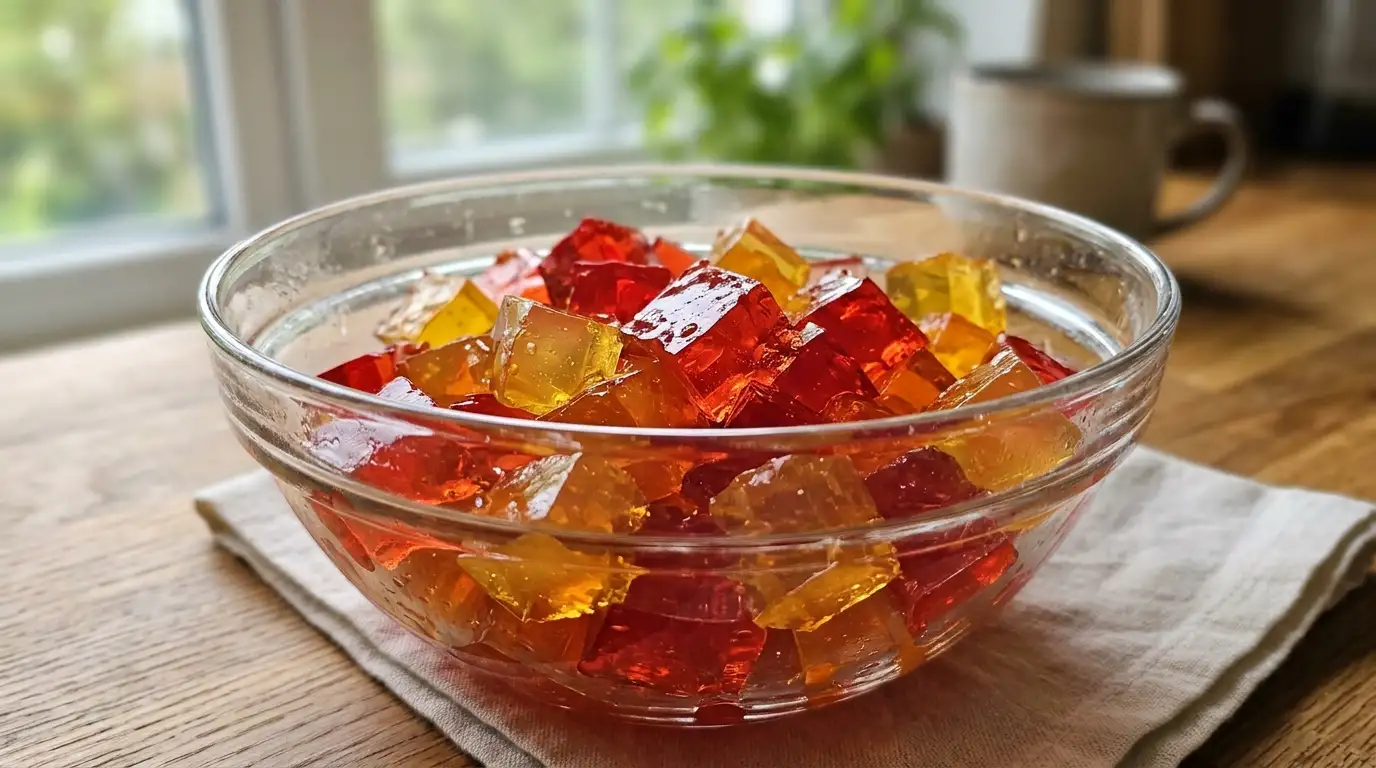
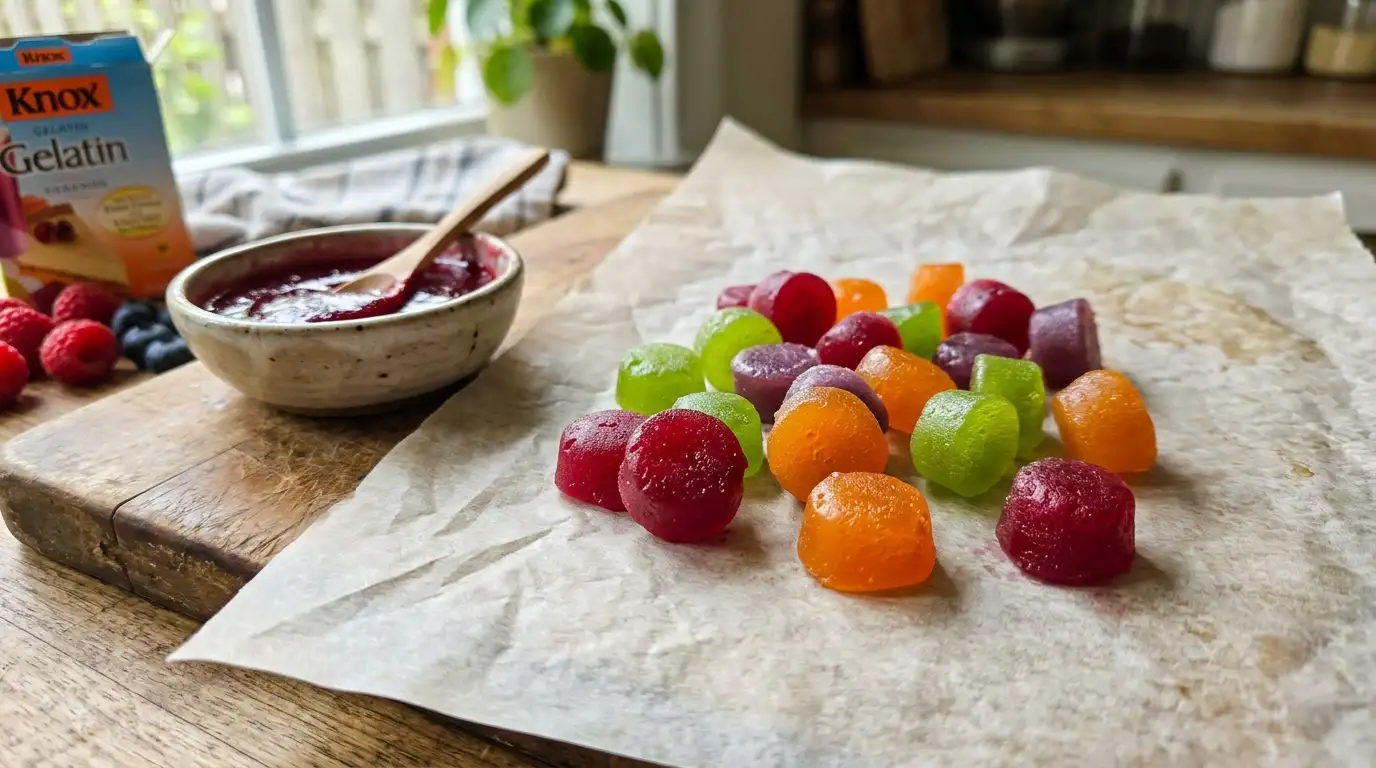
Homemade gummies and soft candies benefit greatly from the strength and elasticity of Knox gelatin. When prepared correctly, it creates a chewy texture that holds its shape while remaining pleasant to eat. Since Knox gelatin sets firmly when chilled, it’s easier to control the final consistency, whether you prefer softer gummies or a more structured bite.
Baking and pastry applications
In baking, Knox gelatin is often used to stabilize fillings, mousses, and glazes. It helps pastries hold their structure, especially in no-bake cakes or chilled desserts. Because it sets predictably, Knox gelatin supports precise layering and clean slicing, which is important for presentation-focused recipes.
Savory uses for Knox gelatin
Beyond sweets, Knox gelatin plays a role in savory cooking as well. It’s used to thicken broths, create aspics, and improve mouthfeel in terrines and pâtés. In these applications, its neutral flavor and clear finish allow the natural taste of the ingredients to stand out, while still providing structure.
Tips for measuring and dissolving Knox gelatin properly
For best results, always measure Knox gelatin accurately and bloom it in cold liquid before heating. Stir gently as it dissolves to avoid introducing air bubbles. Once fully dissolved, incorporate it smoothly into your recipe and allow sufficient chilling time. These steps help ensure consistent texture and reliable results across different uses.
Frequently Asked Questions About Knox Gelatin
Knox gelatin is made from collagen derived from animal sources. Through a controlled heating and drying process, the collagen is transformed into a fine, unflavored powder that dissolves in liquid and sets when cooled. This simple composition is what makes Knox gelatin so versatile in both sweet and savory recipes.
Knox gelatin and collagen come from the same source, but they are not the same product. Collagen is processed to dissolve without setting, while Knox gelatin is designed to gel liquids. Because of this difference, Knox gelatin is used for structure and firmness, whereas collagen is typically added to drinks or supplements.
Knox gelatin has a standardized bloom strength that falls in the medium-to-high range. This gives it a reliable balance between firmness and elasticity. As a result, most recipes can use Knox gelatin without adjustments and still achieve consistent results.
Knox gelatin begins to set as it cools below room temperature and fully gels when refrigerated. It remains solid while chilled but melts smoothly at warmer temperatures, which is why it creates such a pleasant texture in desserts.
Knox gelatin can sometimes replace pectin, but the recipe will usually need changes. Since gelatin doesn’t require sugar or acid to set, the final texture and flavor balance may differ. It works best as a substitute in recipes where a softer, more elastic gel is acceptable.
Knox gelatin is best used in desserts, gummies, mousses, savory aspics, and any recipe that needs reliable gelling. Its neutral flavor and consistent performance make it a dependable choice for a wide range of applications.
Final Thoughts on Knox Gelatin
When Knox gelatin is the best choice
Knox gelatin is an excellent choice when consistency and predictability matter. It performs well in recipes that require clean structure, smooth texture, and dependable setting. For home cooks and professionals alike, this reliability removes much of the guesswork from gelatin-based preparations.
How to get consistent results with Knox gelatin
Consistent results come from proper technique. Bloom the gelatin correctly, avoid boiling it, and allow enough chilling time for the gel to fully set. Paying attention to these steps helps Knox gelatin perform exactly as intended, batch after batch.
Choosing Knox gelatin for reliable gelling
When you need a trusted gelatin for everyday cooking or special recipes, Knox gelatin stands out for its ease of use and dependable results. Understanding how it works, how it compares to alternatives, and where it excels allows you to use it with confidence and achieve better outcomes in the kitchen.