
Bariatric gelatin recipe ideas have become popular with people who want a light, simple, and easy-to-portion option during a weight loss journey. This article explains what bariatric gelatin is, why people use it, how it may fit into a bariatric-friendly eating plan, and what to watch out for before adding it to your routine. You’ll also learn about ingredients, preparation tips, possible benefits, realistic expectations, and common mistakes. In this first part, we’ll focus on what the bariatric gelatin recipe actually is and why it gets so much attention.
What Is the Bariatric Gelatin Recipe?
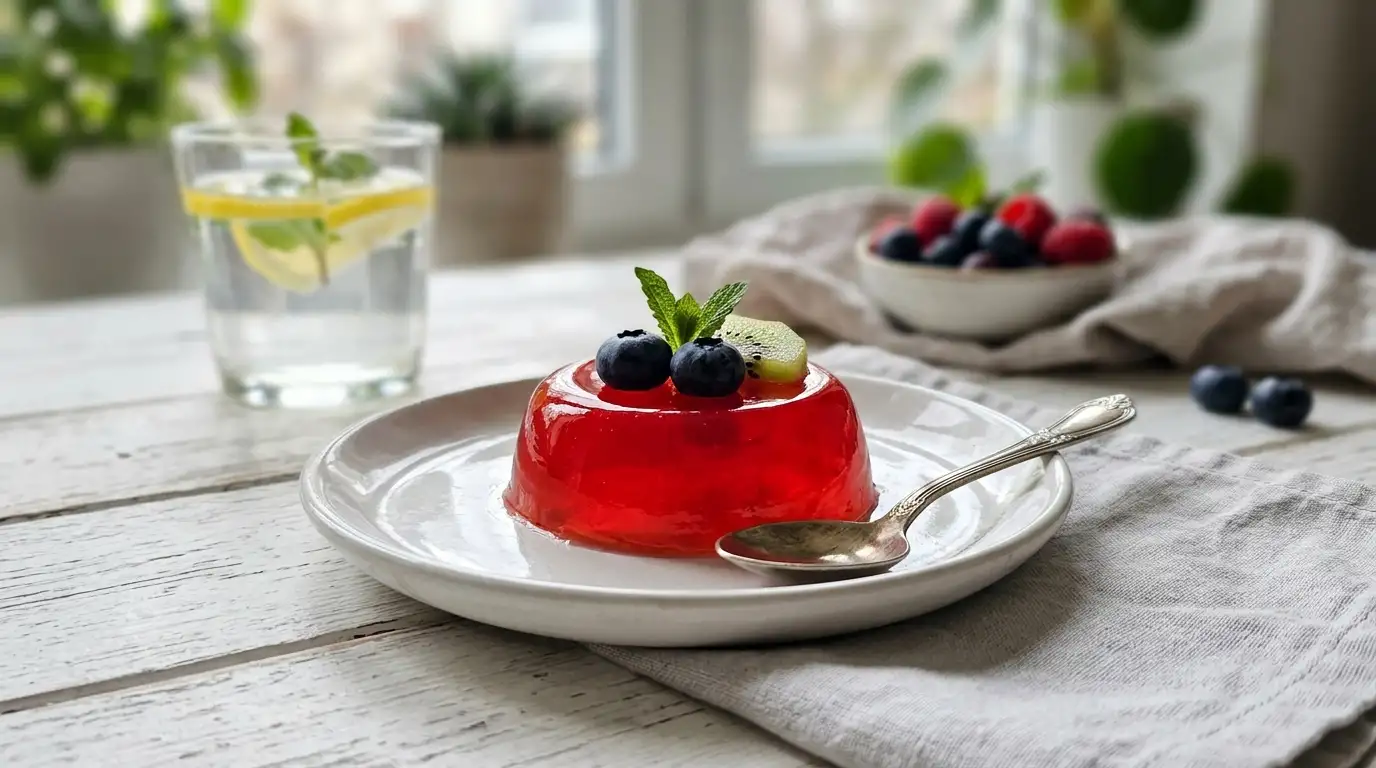
A bariatric gelatin recipe is a light, portion-friendly gelatin-based food made to suit the needs of people following a bariatric eating plan. In many cases, it uses plain gelatin or sugar-free flavored gelatin with water and a few simple add-ins. Because it is soft, easy to prepare, and usually low in sugar and calories, it often appeals to people looking for a gentle snack or dessert option after weight loss surgery.
Unlike regular desserts that may be heavy, rich, or loaded with sugar, a bariatric gelatin recipe is usually designed to be simple and controlled. That matters because many bariatric patients need foods that are easy to tolerate, easy to portion, and less likely to lead to overeating. Even so, this recipe is not only for post-surgery patients. Some people also use bariatric gelatin as part of a structured weight management routine because it can help them stay on track between meals.
Definition of bariatric gelatin
Bariatric gelatin is a gelatin-based recipe meant to fit the goals of a bariatric-friendly diet. That usually means it is lower in sugar, modest in calories, and served in small portions. It may be made with plain unflavored gelatin, sugar-free gelatin mix, or a blend that includes protein-rich ingredients. The goal is not to create a fancy dessert. Instead, the goal is to make a simple food that feels satisfying without adding too much sugar, fat, or unnecessary calories.
In many homes, the bariatric gelatin recipe is treated like a practical tool. It can be a snack, a light dessert, or a small planned bite between meals. Because the texture is soft and smooth, it may also be easier for some people to handle than dense baked goods or rich sweets. As a result, bariatric gelatin often becomes part of a routine built around structure, portion control, and mindful eating.
Why this recipe is popular in bariatric-friendly meal plans
This recipe is popular because it checks several boxes at once. First, it is easy to make. Second, it is easy to divide into small servings. Third, it can be adapted in many ways without becoming complicated. Those points matter a lot in bariatric-friendly meal plans, where consistency and portion awareness are often more important than variety for its own sake.
Another reason the bariatric gelatin recipe stands out is that it can satisfy the urge for something sweet without turning into a heavy dessert. That can be helpful for people who want a planned treat that feels enjoyable but still fits their goals. In addition, the soft texture may work well for people who prefer lighter foods, especially during certain stages of recovery or on days when heavier foods feel less appealing.
Many people also like the fact that bariatric gelatin can be prepared ahead of time. That makes it easier to avoid random snacking or last-minute food choices. When a portion-controlled option is already sitting in the fridge, sticking to a plan becomes much simpler.
Who this recipe is best suited for
The bariatric gelatin recipe is best suited for people who want a small, simple, low-sugar option that fits into a structured eating plan. It may especially appeal to people who have had bariatric surgery and need foods that are gentle, easy to portion, and easy to prepare. It can also be useful for adults trying to manage cravings, reduce dessert calories, or add more structure to their snack choices.
That said, not every bariatric gelatin recipe is right for every person. Some versions include dairy, sweeteners, or added ingredients that may not work well for sensitive digestion. Others may not provide enough protein or nutrition to count as more than a light snack. So, while the recipe can be helpful, it works best for people who understand its role. It is usually a support food, not a complete meal and not a magic solution.
People who want a bariatric-friendly dessert, a light snack after surgery, or a lower-calorie sweet option may find this recipe especially practical. However, anyone with special dietary needs should still choose ingredients carefully and make sure the recipe matches their stage, goals, and tolerance.
Is bariatric gelatin the same as the “gelatin trick” for weight loss?
Not exactly. The bariatric gelatin recipe and the so-called “gelatin trick” for weight loss are related, but they are not always the same thing. The “gelatin trick” is a broad internet phrase often used to describe eating or drinking gelatin in hopes of feeling fuller and cutting back on calories. It is usually presented as a quick hack. By contrast, bariatric gelatin is more structured and practical. It is typically used as part of a planned routine, especially in bariatric-friendly meal plans.
This difference matters. A bariatric gelatin recipe is usually built around portion control, ingredient awareness, and a specific purpose in the diet. The “gelatin trick,” on the other hand, is often talked about like a shortcut. That can create unrealistic expectations. Gelatin may help some people feel satisfied for a time, but it does not replace balanced meals, protein goals, hydration, or long-term behavior changes.
So, while both ideas involve gelatin, bariatric gelatin is better seen as a useful tool within a bigger system. It may support a healthy routine, but it does not work like a miracle fix. The real value comes from how it is used, how often it fits your plan, and whether it helps you stay consistent with better eating habits overall.
Why Is Bariatric Gelatin Used for Weight Loss?
Many people turn to a bariatric gelatin recipe because it offers a simple way to include a light, controlled food in a weight loss plan. It is not a fat-burning food, and it does not cause weight loss on its own. Still, bariatric gelatin can support better habits when it replaces higher-calorie sweets or helps someone stick to planned portions. That is why it often shows up in bariatric-friendly meal plans and structured eating routines.
For people trying to lose weight, especially after bariatric surgery, food choices often need to be small, intentional, and easy to tolerate. In that setting, a bariatric gelatin recipe can be useful because it feels like a treat while staying relatively light. It can also help create a sense of routine, which is often a major part of long-term success.
How bariatric gelatin may support portion control
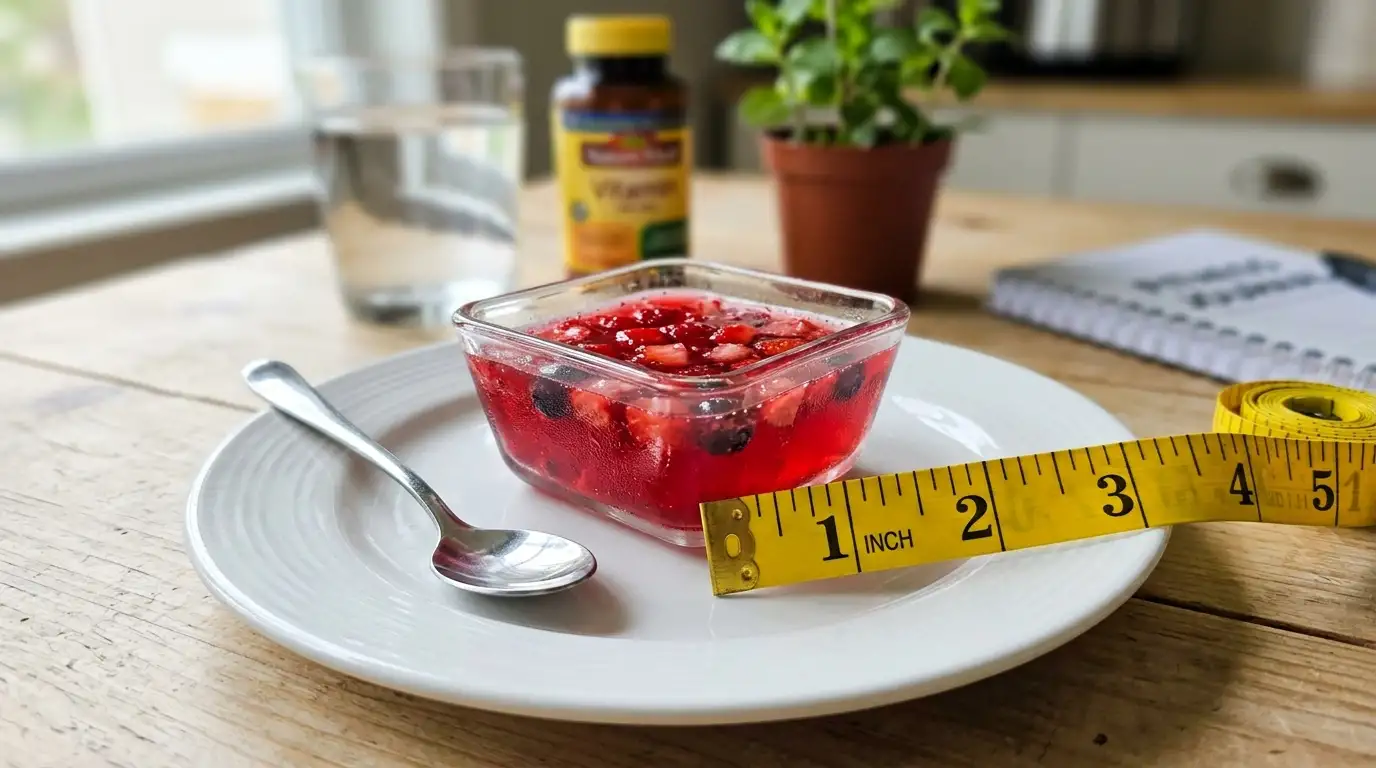
One big reason bariatric gelatin is used for weight loss is portion control. Since it is usually made in a dish, mold, or small cups, it can be divided into measured servings ahead of time. That makes it easier to know exactly how much you are eating. As a result, you are less likely to overdo it compared with eating directly from a large container of pudding, ice cream, or another dessert.
Portion control matters because even small extra bites can add up over time. A bariatric gelatin recipe works well here because it creates a natural stopping point. Once you finish one small serving, that is often enough to satisfy the desire for something sweet. In contrast, many processed desserts are made to be easy to overeat.
This recipe also supports planning. When you already have a few prepared portions in the fridge, you are more likely to choose one of them instead of grabbing a higher-sugar snack. That simple habit can make a real difference over time. So, while the gelatin itself is not a miracle, the portion-friendly format can support better choices.
Why low-calorie, high-satiety foods matter after bariatric surgery
After bariatric surgery, many people need foods that offer comfort and satisfaction without being too heavy or too large in volume. That is where low-calorie, high-satiety foods become important. A bariatric gelatin recipe may fit this need because it is usually light, easy to serve in small amounts, and satisfying enough to work as a planned snack or dessert.
Satiety matters because people often struggle most when they feel deprived, overly hungry, or mentally tired of their food plan. A small serving of bariatric gelatin can help fill a gap in the day without pushing calorie intake too high. In some versions, added protein ingredients may make it even more supportive, although that depends on the exact recipe.
Low-calorie foods can also help create breathing room in a meal plan. For example, choosing a bariatric gelatin recipe instead of a rich dessert may leave more space for protein-rich meals and nutrient-dense foods earlier in the day. That balance is especially important after surgery, when every bite should ideally serve a purpose.
Can bariatric gelatin really help with weight loss?
Yes, but only in a supportive way. A bariatric gelatin recipe can help with weight loss if it makes it easier to control portions, reduce sugar intake, or stay consistent with a structured plan. However, it does not directly cause weight loss by itself. Real progress still depends on the bigger picture, including calorie balance, protein intake, meal quality, hydration, movement, and long-term habits.
This is where some confusion begins. Because gelatin is often discussed online as a clever “trick,” people may expect too much from it. In reality, bariatric gelatin works best when it replaces less helpful choices. For instance, if it helps someone skip a high-calorie dessert or avoid random snacking, then it can support weight loss. But if it becomes an extra food added on top of everything else, the benefit may disappear.
So, the answer is yes, but with limits. Bariatric gelatin may be useful, practical, and easy to include. Even so, it is still just one small part of a much larger routine.
What to expect realistically from this recipe
The most realistic expectation is that a bariatric gelatin recipe may help you stay organized, satisfied, and more consistent with your plan. It can be a lighter choice when you’re craving something sweet. It can also make portion control easier and may help curb the temptation to reach for foods that are higher in sugar or calories.
What it will not do is melt away body fat, fix poor eating habits, or replace balanced nutrition. It is not a shortcut. It is not a special formula. And it is not strong enough to overcome an overall routine that is out of balance. That is why it is best to think of bariatric gelatin as a support tool rather than a solution.
For many people, that is still very valuable. Simple tools often work better than extreme ones because they are easier to repeat. A bariatric gelatin recipe may not seem exciting at first, yet its strength lies in the fact that it is easy, practical, and realistic. When used wisely, that can be enough to make it a useful part of a healthy weight loss routine.
How Does Gelatin Work in the Body?
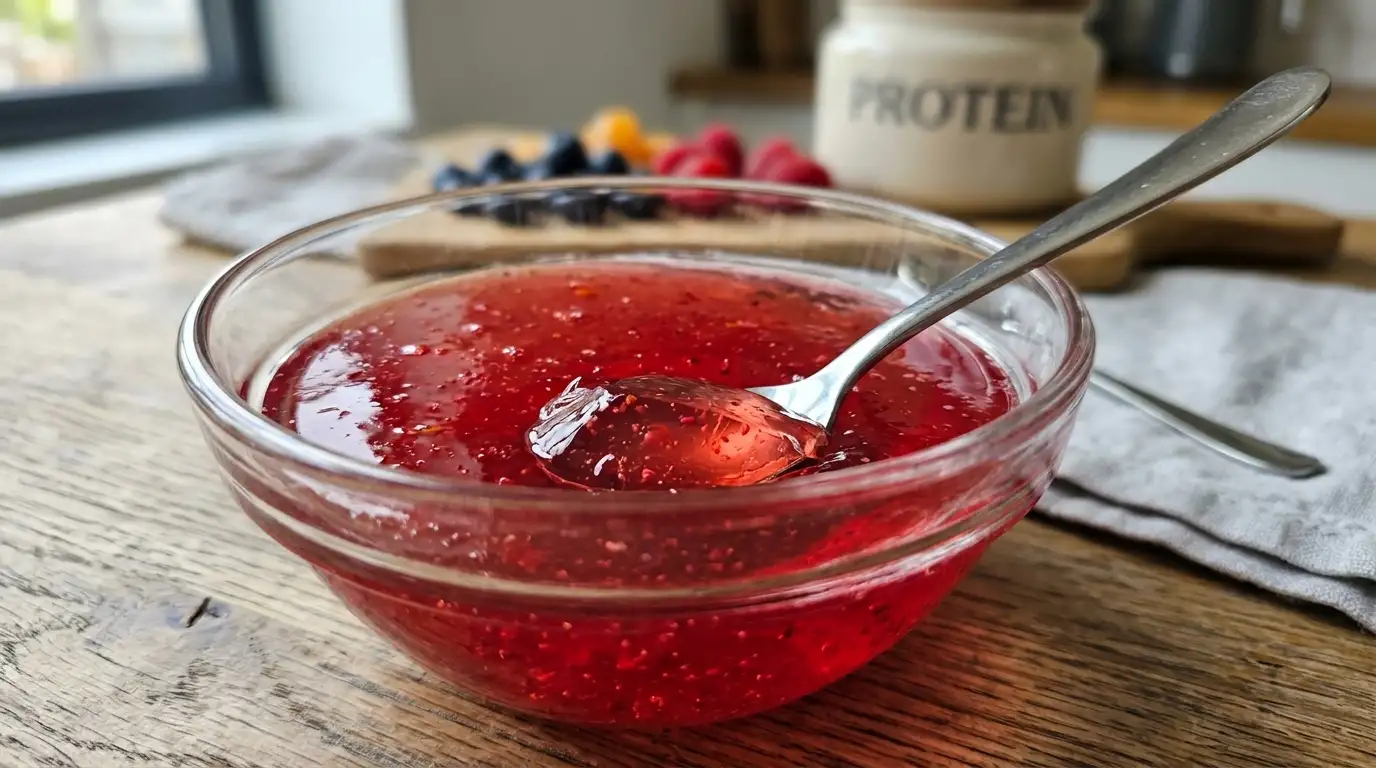
To understand why a bariatric gelatin recipe gets so much attention, it helps to know what gelatin actually does in the body. Gelatin is often seen as a simple ingredient, yet it has a few traits that make it appealing in structured eating plans. It forms a soft gel, adds texture, and may help a snack feel a bit more filling than a sweet drink or a thin broth. That said, gelatin is not a cure-all. Its role is supportive, and its value depends on how it fits into the rest of your routine.
For people following a bariatric-friendly plan, texture, portion size, and ease of digestion can all matter. Because of that, gelatin-based foods are often used in ways that go beyond taste alone. They can help create a calm, predictable eating experience, which is often useful during weight loss or recovery periods.
What gelatin is made from
Gelatin is a protein-rich substance made from collagen, which comes from animal connective tissues such as skin, bones, and cartilage. When collagen is processed through heat and water, it breaks down into gelatin. That is why gelatin thickens liquids and creates the jiggly texture people know from molded desserts, jelly snacks, and soft set recipes.
Although gelatin comes from collagen, it is not exactly the same as collagen peptides or collagen powder. Gelatin thickens and gels when cooled, while collagen peptides usually dissolve without changing texture. In a bariatric gelatin recipe, this gelling ability is what makes the recipe work. It turns a simple liquid mixture into a soft, spoonable food that can be chilled, portioned, and served easily.
Because gelatin is animal-based, it is not suitable for vegetarians or vegans in its traditional form. That is important to remember when choosing ingredients or suggesting alternatives. Some plant-based gelling agents exist, but they behave differently and do not provide the same nutritional profile as plain gelatin.
How gelatin may help promote fullness
One reason people use a bariatric gelatin recipe is that gelatin may help promote a sense of fullness, at least for a short time. Part of that comes from its texture. A spoonable, semi-solid food often feels more substantial than a beverage, even when both contain a similar number of calories. As a result, gelatin can make a small portion seem a little more satisfying.
Gelatin also contains protein, and protein generally plays a role in satiety. Now, plain gelatin is not usually a complete or high-powered protein source on its own in the way that meat, eggs, dairy, or a full protein supplement would be. Still, it can contribute to the feeling that you have eaten something rather than just sipped a flavored liquid.
This matters in weight management because people often do better when meals and snacks feel deliberate. A bariatric gelatin recipe can create that feeling. It gives you a defined serving, a clear stopping point, and a texture that encourages slower eating. Together, those small effects may help with appetite control, especially when the recipe replaces a more tempting dessert.
Gelatin and digestion: what to know
Gelatin is often described as gentle and easy to eat, which is one reason it appears in bariatric-friendly meal plans. Its soft texture may be more comfortable for some people than crunchy, greasy, or heavy foods. That can be helpful during certain stages of recovery or on days when the digestive system feels sensitive.
Still, “gentle” does not mean perfect for everyone. Some people tolerate gelatin very well, while others may not enjoy the texture or may react poorly to certain sweeteners, flavorings, or add-ins. In many cases, the issue is not the gelatin itself but the ingredients mixed into it. Sugar alcohols, rich dairy, or overly sweet flavorings can sometimes lead to bloating or discomfort.
That is why it is smart to keep a bariatric gelatin recipe simple at first. Starting with a basic version makes it easier to see how your body responds. Then, if needed, you can adjust the recipe by changing the flavor, the sweetener, or the added ingredients. This step-by-step approach often works better than making a complicated version right away.
The role of protein-rich snacks in weight management
Protein-rich snacks often play an important part in weight management because they can help support fullness, muscle maintenance, and better food choices throughout the day. In a bariatric setting, protein is often a major priority, which means snacks are usually more helpful when they contribute something meaningful instead of just adding empty calories.
A basic bariatric gelatin recipe may be low in calories, but it is not always high in protein unless extra ingredients are added. That is why some people boost their recipe with protein powder, high-protein liquids, or bariatric-friendly add-ins. When done carefully, that can turn the recipe into a more functional snack rather than just a light dessert.
Even so, balance is key. Not every snack needs to be large or loaded with ingredients. Sometimes a simple gelatin cup is enough to bridge the gap between meals or satisfy a sweet craving in a controlled way. Other times, a more protein-focused option may be the better choice. The real goal is to use the bariatric gelatin recipe in a way that supports your overall eating plan instead of treating it like a one-size-fits-all answer.
Bariatric Gelatin Recipe Ingredients
The success of any bariatric gelatin recipe starts with the ingredients. While the recipe is simple, the choices you make can change the texture, taste, and overall usefulness of the final result. A good version should be easy to digest, easy to portion, and easy to fit into a bariatric-friendly routine. For that reason, many people keep the ingredient list short and practical.
In most cases, the best bariatric gelatin recipe is not the one with the most extras. Instead, it is the one that supports your goals without adding unnecessary sugar, calories, or digestive stress. That is why it helps to know which ingredients matter most, which add-ins can be helpful, and which ones may work against the purpose of the recipe.
Core ingredients for a basic bariatric gelatin recipe
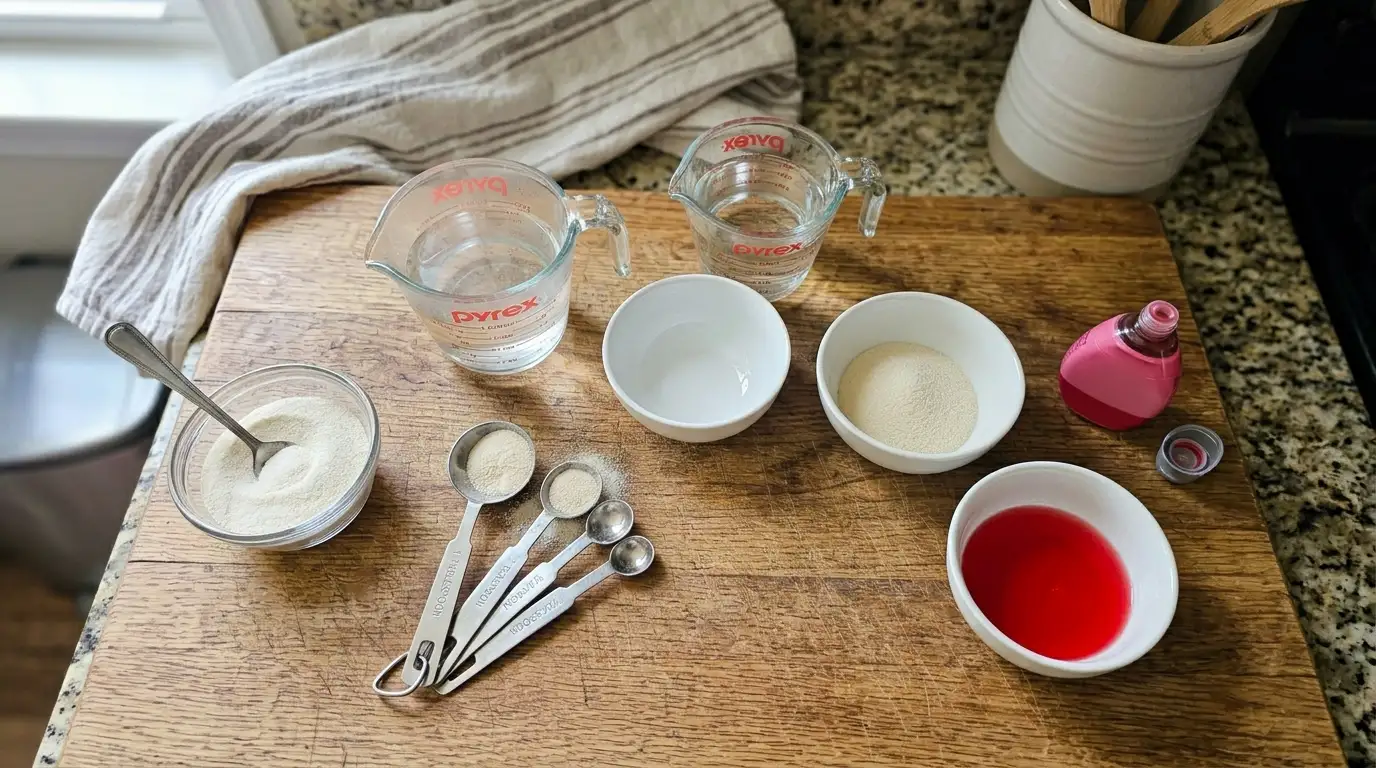
A basic bariatric gelatin recipe usually starts with just a few items: plain gelatin or sugar-free gelatin mix, water, and sometimes a flavored liquid that fits your eating plan. These ingredients create the base and give the recipe its familiar soft texture. Because the formula is simple, it is easy to prepare ahead and divide into small servings.
Here is a basic ingredient table for a simple bariatric gelatin recipe:
| Ingredient | Purpose | Notes |
|---|---|---|
| Plain unflavored gelatin | Creates the gel texture | Best for full control over flavor and sweetness |
| Hot water | Dissolves the gelatin | Helps the gelatin bloom and mix smoothly |
| Cold water | Helps set the mixture | Balances temperature before chilling |
| Sugar-free flavoring or approved drink mix | Adds taste | Choose a bariatric-friendly option |
| Optional protein-friendly liquid | Adds nutrition | Use only if it works with the recipe texture |
Some people prefer plain gelatin because it gives more control over the final recipe. Others choose sugar-free flavored gelatin because it is fast and easy. Both options can work, but the best choice depends on your goals, your tolerance, and how much customization you want.
Optional ingredients for extra flavor or protein
Once the base is working well, some people like to add ingredients for more flavor, better nutrition, or a richer texture. This can make the bariatric gelatin recipe feel more satisfying, especially if you want it to do more than act as a plain dessert.
Common optional add-ins may include:
- a splash of unsweetened cranberry juice or another low-sugar liquid
- a small amount of bariatric-friendly protein powder
- Greek yogurt in versions meant to be creamier
- ginger, lemon, or herbal tea for a fresh flavor twist
- approved sweeteners if extra sweetness is needed
These additions can be useful, but they should be used carefully. Too many extras can make the texture odd or turn a light recipe into something heavier than intended. In addition, some protein powders clump, and some dairy add-ins can change how the gelatin sets. So, when testing a new version, it is smart to make a small batch first.
Best type of plain gelatin to use
For most recipes, plain unflavored gelatin is the best choice when you want flexibility. It allows you to control sweetness, flavor, and liquid type without being locked into a pre-made formula. That can be especially helpful in a bariatric gelatin recipe, where ingredient control matters.
Look for a plain gelatin product with a short ingredient list and no added sugar. Powdered gelatin is usually the easiest format to use because it dissolves well and is widely available. It also works in both savory and sweet variations, although sweet versions are far more common in bariatric-friendly meal plans.
If convenience matters more than customization, sugar-free flavored gelatin can also work. However, plain gelatin is often the better option when you want to avoid extra additives or create a recipe that feels more tailored to your needs.
Ingredients to avoid in a weight loss version
A bariatric gelatin recipe meant for weight loss should stay simple and purposeful. That means avoiding ingredients that push the recipe away from its main benefits. For example, sugary syrups, sweetened condensed milk, whipped dessert toppings, candy pieces, and high-calorie mix-ins can quickly turn a light snack into a dessert that no longer fits the goal.
It is also wise to be careful with ingredients marketed as “sugar-free” but loaded with sugar alcohols, especially if you have a sensitive stomach. For some people, these can lead to bloating, gas, or digestive discomfort. Likewise, rich cream-based add-ins may make the recipe harder to tolerate and easier to overeat.
A helpful rule is this: every ingredient in the bariatric gelatin recipe should have a reason for being there. If an add-in improves taste, texture, or protein value without causing problems, it may be worth using. But if it mainly adds sugar, heaviness, or unnecessary calories, it may be better to leave it out.
How to Make the Bariatric Gelatin Recipe Step by Step
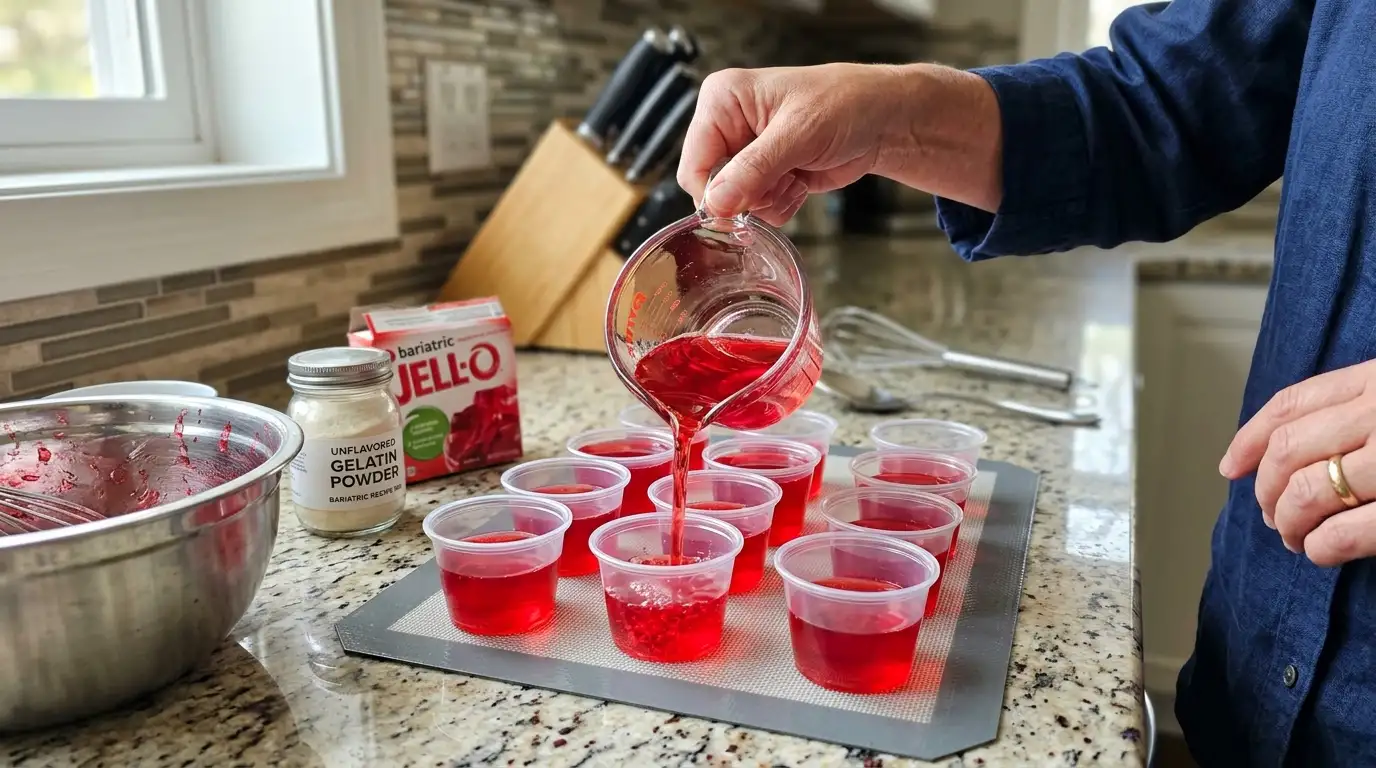
Making a bariatric gelatin recipe is simple, which is one reason it fits so well into a structured eating plan. You do not need special cooking skills, and you do not need a long list of ingredients. In fact, the easier the method, the more likely you are to make it again and keep it as part of your routine. That matters because repeatable habits often work better than complicated recipes.
The key is to prepare the gelatin properly, mix in only approved ingredients, and portion it in a way that supports your goals. When done right, the result is smooth, light, and easy to keep in the fridge for planned servings.
Tools you need
Before you start, gather a few simple kitchen tools. This keeps the process quick and helps the bariatric gelatin recipe set evenly.
Here is a useful tools table:
| Tool | Why you need it |
|---|---|
| Small saucepan or kettle | To heat water |
| Mixing bowl | To combine ingredients |
| Whisk or spoon | To dissolve gelatin smoothly |
| Measuring cups | To keep the recipe accurate |
| Small containers or silicone molds | To portion the gelatin |
| Refrigerator space | To chill and set the mixture |
You do not need anything fancy here. In most cases, a bowl, a spoon, and a few small serving cups are enough. Still, using measured containers can make portion control much easier later.
Step 1: Prepare the gelatin base
Start by heating the water until it is hot but not aggressively boiling. Then pour the hot water into a mixing bowl and add the plain gelatin or sugar-free gelatin mix. Stir slowly and thoroughly until the powder fully dissolves. This step matters because undissolved gelatin can create lumps and an uneven texture.
If you are using plain unflavored gelatin, make sure it has time to bloom properly. Blooming means allowing the gelatin to absorb liquid before it fully dissolves. In many recipes, this helps create a smoother final texture. Once the gelatin is dissolved, add the cold water or other approved cool liquid and stir again.
This is the foundation of the bariatric gelatin recipe, so keep it simple and smooth. A well-made base gives you a much better result than trying to fix texture problems later.
Step 2: Add approved ingredients and mix properly
Once the base is ready, you can add any approved ingredients you plan to use. These may include a sugar-free flavoring, a splash of unsweetened juice, herbal tea, ginger, or a carefully chosen protein add-in. At this stage, go slowly. Too many additions can change the way the mixture sets.
If you are adding protein powder, whisk it in gently and make sure it dissolves as evenly as possible. Some powders blend better than others, so this step may take a little extra stirring. If the mixture looks grainy or foamy, let it rest briefly before pouring it into containers. That can help improve the texture.
A good bariatric gelatin recipe should stay light and smooth, not thick, heavy, or overloaded. So, even though it may be tempting to add more ingredients, it is often better to keep the mixture clean and balanced.
Step 3: Chill and set the mixture
After mixing, pour the liquid into small cups, ramekins, or a shallow dish. Then place it in the refrigerator and let it chill until fully set. In most cases, this takes a few hours, although the exact time depends on the size of the portions and the ingredients used.
Do not rush this step by putting the gelatin in the freezer unless a specific recipe says it is safe to do so. Quick freezing can affect texture and may make the bariatric gelatin recipe less pleasant to eat. A slow chill in the fridge usually gives the best result.
As the gelatin sets, the structure becomes firm enough to hold shape while still staying soft and easy to eat. That is exactly what most people want in a bariatric-friendly snack or dessert.
Step 4: Portion and serve safely
Once the gelatin is fully set, portion it into small servings if you made it in one larger dish. If you already used individual containers, your work is even easier. This is one of the biggest strengths of a bariatric gelatin recipe: the serving size can be planned before you ever take a bite.
Serve the gelatin chilled, and keep portions modest. Small servings help preserve the recipe’s purpose as a light snack, dessert, or mini meal support. They also make it easier to avoid accidental overeating. For extra structure, some people label containers by day or meal time, which can help keep the week organized.
If the texture seems too firm, too watery, or uneven, adjust the liquid-to-gelatin ratio the next time. The beauty of this recipe is that it is easy to fine-tune. With a little practice, your bariatric gelatin recipe can become one of the simplest and most useful make-ahead options in your routine.
When and How to Use Bariatric Gelatin
A bariatric gelatin recipe works best when it has a clear purpose in your routine. It is not something to eat mindlessly just because it is light. Instead, it should be used as a planned option that supports portion control, reduces the pull of higher-sugar desserts, and fits into your daily structure. When used this way, bariatric gelatin can be practical, simple, and easy to repeat.
Timing also matters. Some people do best with bariatric gelatin as a snack between meals, while others prefer it after dinner as a light dessert. The right choice depends on your hunger patterns, your stage of recovery, and how the recipe fits with your protein and meal goals.
Best times to eat bariatric gelatin
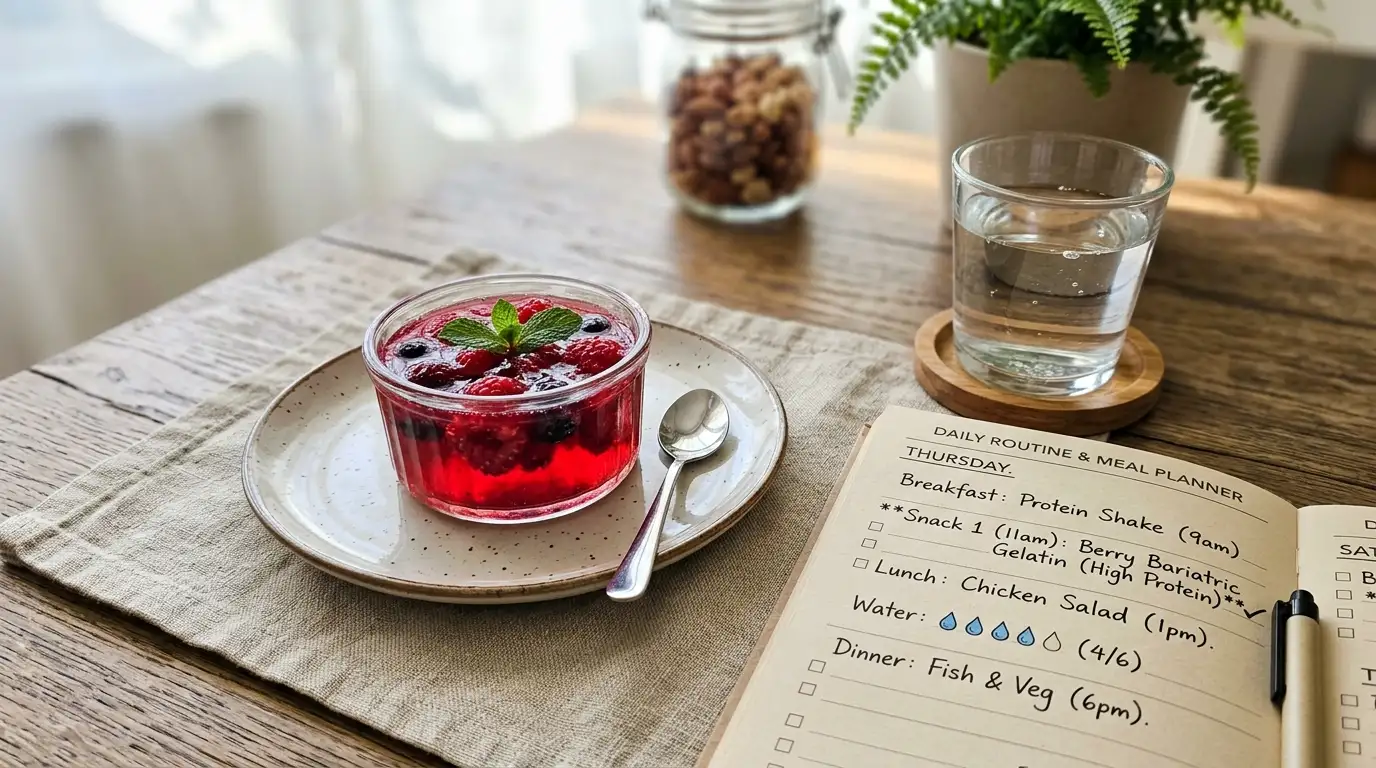
One of the best times to eat a bariatric gelatin recipe is when you want something light but still want to stay on plan. For many people, that means mid-afternoon, after dinner, or during a time of day when cravings usually show up. Having a prepared serving in the fridge can make that moment much easier to handle.
After bariatric surgery, timing may be even more important. Some people prefer soft, simple foods during parts of the day when heavier meals feel less comfortable. In those cases, bariatric gelatin may be a gentle option, especially when eaten slowly and in small amounts. It can also serve as a bridge between meals when you want a planned bite without turning to random snacking.
The key is to choose times when the recipe truly supports your goals. If it helps you avoid overeating or keeps you from reaching for less helpful foods, then it is doing its job well.
How much bariatric gelatin to eat per serving
Portion size matters with every bariatric-friendly food, and a bariatric gelatin recipe is no exception. Even though it is usually light, it still works best in modest servings. A small cup or pre-measured portion is often enough, especially when the goal is to satisfy a craving or add a gentle snack to the day.
Many people find that a few spoonfuls to one small container is plenty. The exact amount can vary based on the ingredients, your tolerance, and your personal eating plan. A plain version may be lighter, while a protein-boosted or creamy version may feel more filling and may need an even smaller serving.
The smartest approach is to portion the bariatric gelatin recipe before storing it. That way, you are not guessing in the moment. Clear serving sizes make it easier to stay consistent, and consistency is often what matters most.
Can you use it as a snack, dessert, or mini meal?
Yes, a bariatric gelatin recipe can work as a snack, a dessert, or in some cases a mini meal support, depending on what is in it. A plain or sugar-free version is usually best as a light snack or dessert. It gives you something sweet and structured without adding much heaviness to the day.
If the recipe includes protein-rich ingredients, it may feel more substantial and can sometimes serve as a mini meal support. Even then, it is usually not a full meal replacement on its own unless it has been designed very carefully. For most people, bariatric gelatin works best in a supporting role rather than as the main event.
This flexibility is one reason it is so useful. You can keep the same basic recipe and change how you use it based on the day. On one day, it may be a planned dessert. On another, it may be a controlled afternoon snack that keeps you on track until dinner.
How often can you have bariatric gelatin?
You can usually have a bariatric gelatin recipe as often as it fits your plan, your tolerance, and your overall nutrition goals. For some people, that might mean a few times a week. For others, especially those who enjoy routine foods, it may be something they use daily in a small portion.
Still, variety matters. Even though bariatric gelatin can be useful, it should not crowd out protein-rich meals, whole foods, or other nutrient-dense snacks. It works best as one tool among many. If it becomes the only sweet item you rely on, that may still be fine for a while, but it is wise to keep your routine balanced.
A good rule is to ask whether the recipe is helping you stay organized and satisfied or whether it has just become another automatic habit. When used with purpose, a bariatric gelatin recipe can be part of a steady routine. When used without thought, even a light food can lose some of its value.
Benefits of Bariatric Gelatin Beyond Weight Loss
A bariatric gelatin recipe is often discussed in the context of weight loss, but its value can go beyond the number on the scale. Many people keep it in their routine because it is easy to prepare, easy to portion, and easy to fit into a structured way of eating. In other words, it can be useful even when the goal is not just to lose weight faster, but to eat in a calmer, more organized way.
That matters because long-term success usually comes from repeatable habits. A simple food that supports comfort, planning, and consistency can be more helpful than a trendy recipe that is hard to keep up with. For that reason, bariatric gelatin often earns a place in meal plans for practical reasons, not just for calorie control.

Easy portion control
One of the biggest benefits of a bariatric gelatin recipe is how naturally it supports portion control. Since it is usually poured into small cups, jars, or molds, the serving size can be decided before you eat it. That removes a lot of guesswork and can help prevent extra bites that happen when foods are eaten straight from a large package.
Portion control is valuable because it reduces decision fatigue. Instead of asking yourself how much to serve each time, the answer is already there in front of you. This can be especially useful during busy days or moments when cravings hit hard. A pre-portioned bariatric gelatin recipe gives you a ready-made option that feels intentional instead of impulsive.
Over time, that simple structure can help support better habits. It makes eating feel more organized, and that often leads to more consistency overall.
Light texture for sensitive digestion
Another reason people like a bariatric gelatin recipe is its light, soft texture. For some individuals, especially those following bariatric-friendly eating patterns, softer foods may feel easier to handle than crunchy, greasy, or very rich options. This does not mean gelatin is perfect for everyone, but it can be a more comfortable choice for people who prefer simple textures.
A light texture can also make the eating experience feel less overwhelming. On days when appetite feels low or heavier foods seem unappealing, a small serving of bariatric gelatin may be easier to enjoy. That can be useful when the goal is to stay on plan without forcing foods that do not feel right in the moment.
Because texture often affects food tolerance, having a softer option available can add flexibility to your routine. In that sense, bariatric gelatin offers more than sweetness. It offers ease.
A convenient low-sugar snack option
Convenience is a major benefit too. A bariatric gelatin recipe can be made in advance, stored in the fridge, and eaten when needed. That makes it a practical low-sugar snack option for people who want something ready to go without relying on packaged desserts or random pantry choices.
This convenience matters because many unhealthy choices happen when there is nothing prepared. When a planned snack is already waiting, it becomes much easier to stay aligned with your goals. A bariatric gelatin recipe can fill that gap nicely, especially when you want something cool, sweet, and light without a lot of added sugar.
For people trying to manage cravings, this can be especially helpful. Instead of feeling like you have no dessert option at all, you have one that is simple and controlled. That can make a structured eating plan feel more sustainable.
A simple addition to a structured eating routine
Perhaps the most underrated benefit of a bariatric gelatin recipe is that it fits neatly into a structured eating routine. It does not need a lot of prep, it does not require complicated timing, and it can be used in more than one way. That kind of flexibility makes it easier to repeat, and repeatable foods often become the backbone of successful routines.
Some people use bariatric gelatin as an afternoon snack. Others use it as a small dessert after dinner. Some prepare a few versions at once so they have options during the week. No matter how it is used, the recipe tends to work best when it supports a larger system of planning, portion awareness, and consistency.
That is why this recipe remains popular. It is not flashy, yet it is practical. And in real life, practical tools are often the ones that last.
Risks, Side Effects, and Common Mistakes
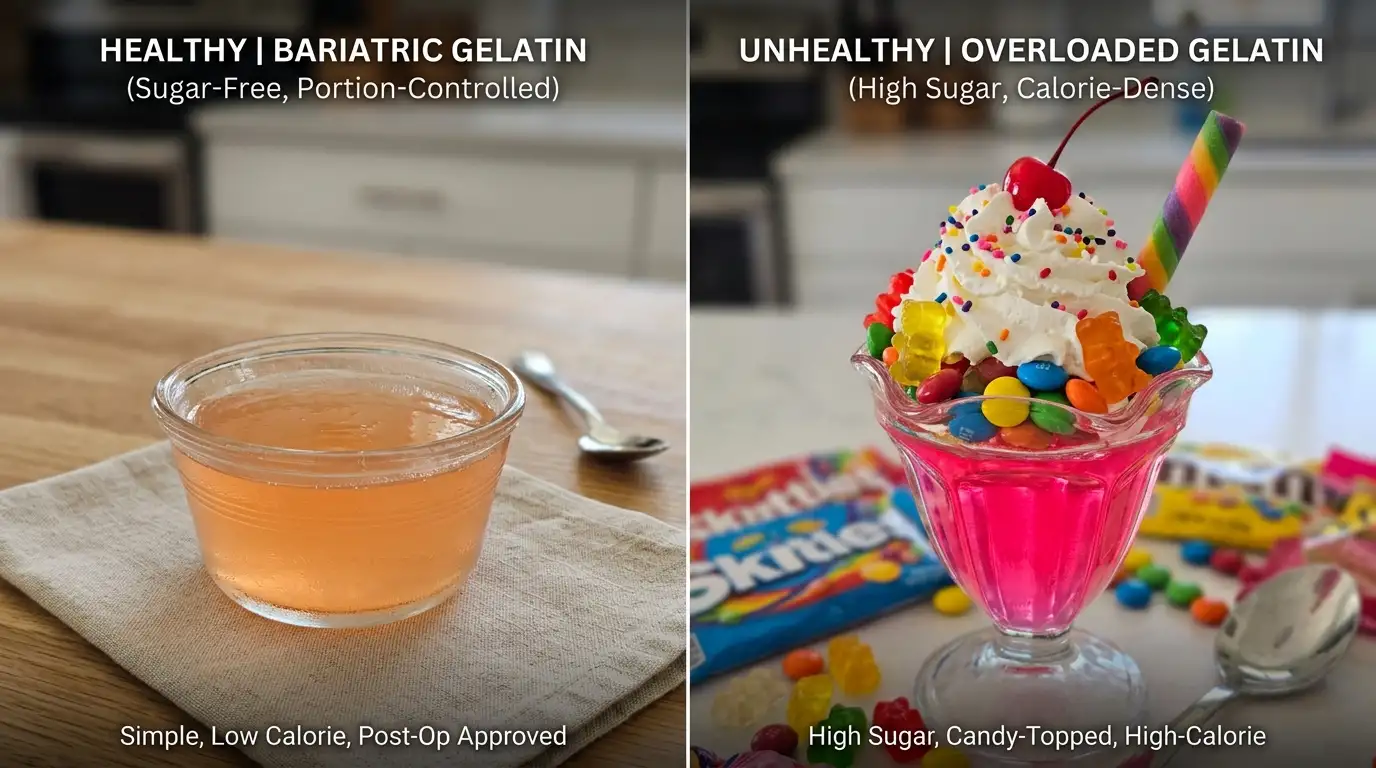
A bariatric gelatin recipe can be useful, but that does not mean it is always problem-free. Like any food used for a specific purpose, it works best when it is prepared carefully and used in the right way. Problems usually begin when people assume that “light” means unlimited, or when they load the recipe with ingredients that cancel out its benefits.
This section matters because small mistakes can change both the nutrition and the experience of the recipe. A bariatric gelatin recipe should feel supportive, not frustrating. So, it helps to understand where things can go wrong before those habits become part of the routine.
Common mistakes when making bariatric gelatin
One of the most common mistakes is rushing the process. If the gelatin is not dissolved properly, the texture can turn lumpy, rubbery, or uneven. That makes the recipe far less enjoyable and may discourage you from trying it again. Another frequent mistake is guessing with measurements instead of following a clear liquid-to-gelatin ratio. When that happens, the final texture may be too firm or too watery.
People also run into trouble when they add too many ingredients at once. A bariatric gelatin recipe is usually best when it stays simple. If you add too much dairy, too much protein powder, or several flavor boosters all at once, the recipe may not set well. In some cases, it can also become much heavier than intended.
Another mistake is treating the recipe like a regular dessert instead of a structured tool. Once that happens, portions tend to grow, add-ins become richer, and the original purpose starts to fade.
Why sugary add-ins can reduce the benefits
Sugary add-ins are one of the easiest ways to turn a useful bariatric gelatin recipe into something less helpful. Sweetened juices, syrups, candy pieces, whipped toppings, and dessert sauces may seem harmless in small amounts, but they can quickly increase both sugar and calorie content. As a result, the recipe may no longer support the same weight management goals.
This matters because the strength of bariatric gelatin usually comes from its simplicity. It is light, portion-friendly, and easy to plan. Once it becomes a sugar-heavy treat, it may still taste good, but it stops offering the same practical advantage. In some cases, very sweet versions can also trigger cravings rather than helping control them.
For a better result, it helps to keep sweetness modest and purposeful. A bariatric gelatin recipe does not need to taste bland, but it also does not need to taste like candy to be enjoyable.
Portion size mistakes to avoid
Because gelatin feels light, some people assume portion size does not matter much. That is a mistake. Even a bariatric gelatin recipe should be served in planned amounts, especially if it includes protein powder, yogurt, juice, or other added ingredients. Small portions are part of what makes the recipe work.
A common portion mistake is eating straight from a large dish instead of dividing the recipe ahead of time. Without a clear stopping point, it becomes easier to take several extra spoonfuls without really noticing. Another mistake is eating bariatric gelatin on top of meals and snacks instead of using it to replace a less helpful option.
The best fix is simple: portion first, then store. When each serving is already measured, the recipe stays aligned with its purpose. That one habit can prevent a lot of unnecessary drift.
Possible digestive discomfort or intolerance
Although bariatric gelatin is often seen as gentle, some people may still experience digestive discomfort. In many cases, the issue is not the gelatin itself but the ingredients mixed into it. Sugar alcohols, artificial sweeteners, rich dairy, and certain protein powders can all cause bloating, gas, or an unsettled stomach in some people.
Texture can also be a factor. Some people simply do not tolerate gelatin-based foods well or find them unappealing enough to eat too quickly or too reluctantly. In those cases, the recipe may not be worth forcing into the routine. A bariatric gelatin recipe should feel helpful and manageable, not like a struggle.
That is why it is smart to test new versions in small batches. When you change only one or two things at a time, it becomes easier to figure out what works and what does not.
When this recipe may not be the right choice
There are times when a bariatric gelatin recipe may not be the best fit. For example, if you need a more substantial snack with meaningful protein, a plain gelatin cup may simply not do enough. Likewise, if sweet-tasting foods tend to increase your cravings, even a low-sugar version may not be the most supportive choice.
It may also be the wrong choice if certain ingredients upset your stomach or if you find yourself using it as an excuse to avoid more balanced foods. A bariatric gelatin recipe works best as a supportive option, not as a replacement for real meal structure. It should complement your routine, not crowd out the foods that give you stronger nutrition.
In the end, the goal is not to make this recipe work at all costs. The goal is to use it only if it truly supports your needs, your digestion, and your overall plan.
Gelatin vs Collagen: What’s the Difference?
Many people talk about gelatin and collagen as if they are the same thing, and in some ways they are closely related. Still, they are not identical in how they behave in recipes. This matters when you are making a bariatric gelatin recipe because the ingredient you choose will affect both texture and function.
If your goal is a soft, set snack or dessert, knowing the difference can save you from a lot of confusion. While both come from the same general source, they are used in different ways. As a result, one may be much more useful than the other depending on what you want the final recipe to do.
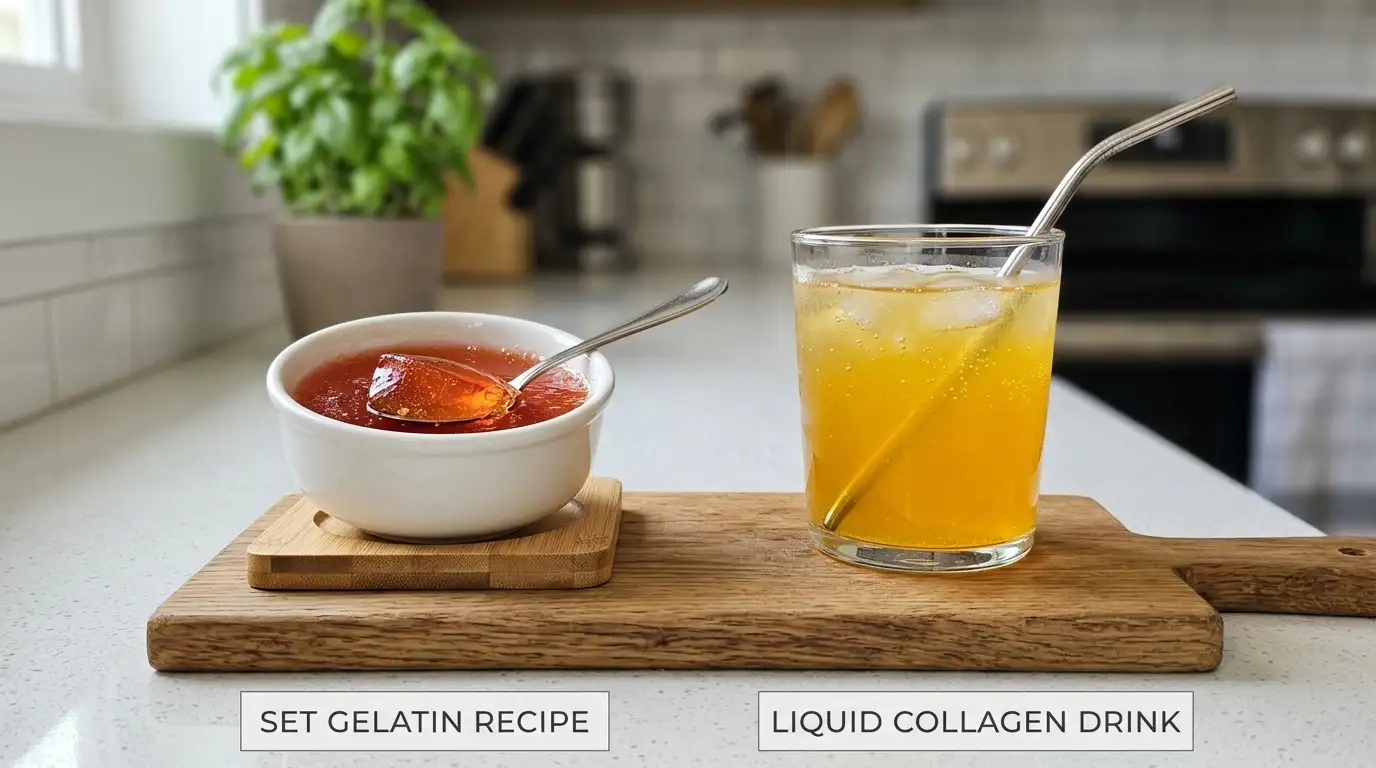
Are gelatin and collagen the same?
Gelatin and collagen are related, but they are not exactly the same. Gelatin is made by partially breaking down collagen, which is a structural protein found in animal connective tissues. So, you can think of gelatin as a cooked or processed form of collagen that behaves differently once it is mixed with liquid.
That difference is important in the kitchen. A bariatric gelatin recipe depends on gelatin’s ability to thicken liquid and create a soft gel when chilled. Collagen powder, especially collagen peptides, usually dissolves into liquids without forming that same firm texture. Because of that, collagen cannot always replace gelatin in a one-to-one way.
In simple terms, collagen is the original protein, and gelatin is one form of it that has been processed so it can gel. They are connected, yet they do not always do the same job in recipes.
Which one is easier to use in recipes?
The easier option depends on the kind of recipe you are making. If you want a drink, smoothie, or warm liquid with extra protein, collagen is often easier because it dissolves without changing the texture much. However, if you want a bariatric gelatin recipe that sets in the fridge and holds its shape, gelatin is the easier and more reliable choice.
Gelatin is designed for that jiggly, spoonable result. It gives structure to the recipe and helps create the portion-friendly texture people expect. Collagen, on the other hand, is more about blending in quietly. It usually disappears into the liquid instead of turning it into a gel.
So, for a set dessert or snack, gelatin is usually easier. For a mix-in that adds protein without changing texture, collagen may be simpler. The right choice depends on your goal.
Which one is better for a bariatric-friendly routine?
For a bariatric-friendly routine, both can be useful, but they serve different purposes. A bariatric gelatin recipe usually benefits more from gelatin because the recipe needs structure, softness, and easy portioning. Gelatin helps create a defined snack that can be chilled, cut, or spooned into small servings.
Collagen may still have a place in a bariatric-friendly plan, especially when someone wants to add protein to coffee, broth, or a smoothie-style drink. However, it does not replace gelatin well in recipes that need to set. That is why gelatin is often the better fit for make-ahead snacks and desserts, while collagen is more useful as a dissolving supplement.
In many cases, the better option is simply the one that matches the job. If the routine needs a soft, prepared snack, gelatin makes more sense. If the routine needs an easy stir-in protein boost, collagen may be more practical.
When to choose gelatin over collagen
Choose gelatin over collagen when you want the recipe to firm up after chilling. This is the clearest reason. A bariatric gelatin recipe depends on that texture, so plain gelatin is usually the right ingredient for the job. It gives the recipe its shape, its spoonable consistency, and its make-ahead convenience.
Gelatin may also be the better choice when you want stronger portion control. Because it sets into defined servings, it naturally supports structure. That can be helpful when you are trying to stay organized and avoid grazing.
Collagen is still useful in other situations, but when the goal is a real gelatin-based snack, there is not much competition. For that purpose, gelatin is the ingredient that does the work.
Popular Bariatric Gelatin Recipe Variations
One reason the bariatric gelatin recipe remains so popular is that it is easy to adapt. Once you understand the basic method, you can create several simple versions without making the recipe too complicated. That flexibility helps prevent boredom, and it also makes it easier to match the recipe to your taste, routine, and nutrition goals.
Still, the best variations are the ones that keep the original purpose intact. In other words, they should stay portion-friendly, light, and practical. A bariatric gelatin recipe can be creative, but it should not become so rich or overloaded that it stops supporting your plan.

3-ingredient bariatric gelatin recipe
A 3-ingredient bariatric gelatin recipe is one of the easiest versions to make. It usually includes plain gelatin, hot water, and a flavored low-sugar or sugar-free liquid. This version works well for people who want something very simple and easy to repeat.
Because the ingredient list is short, it is also easier to control the taste and texture. There is less risk of the recipe failing to set, and there is less chance of adding ingredients that make it too heavy. For many people, this is the best place to start because it creates a solid base without extra guesswork.
This version is especially useful during busy weeks. You can prepare several small portions at once, chill them, and keep them ready in the fridge. That makes the bariatric gelatin recipe feel less like a project and more like a dependable routine food.
Bariatric jello cubes
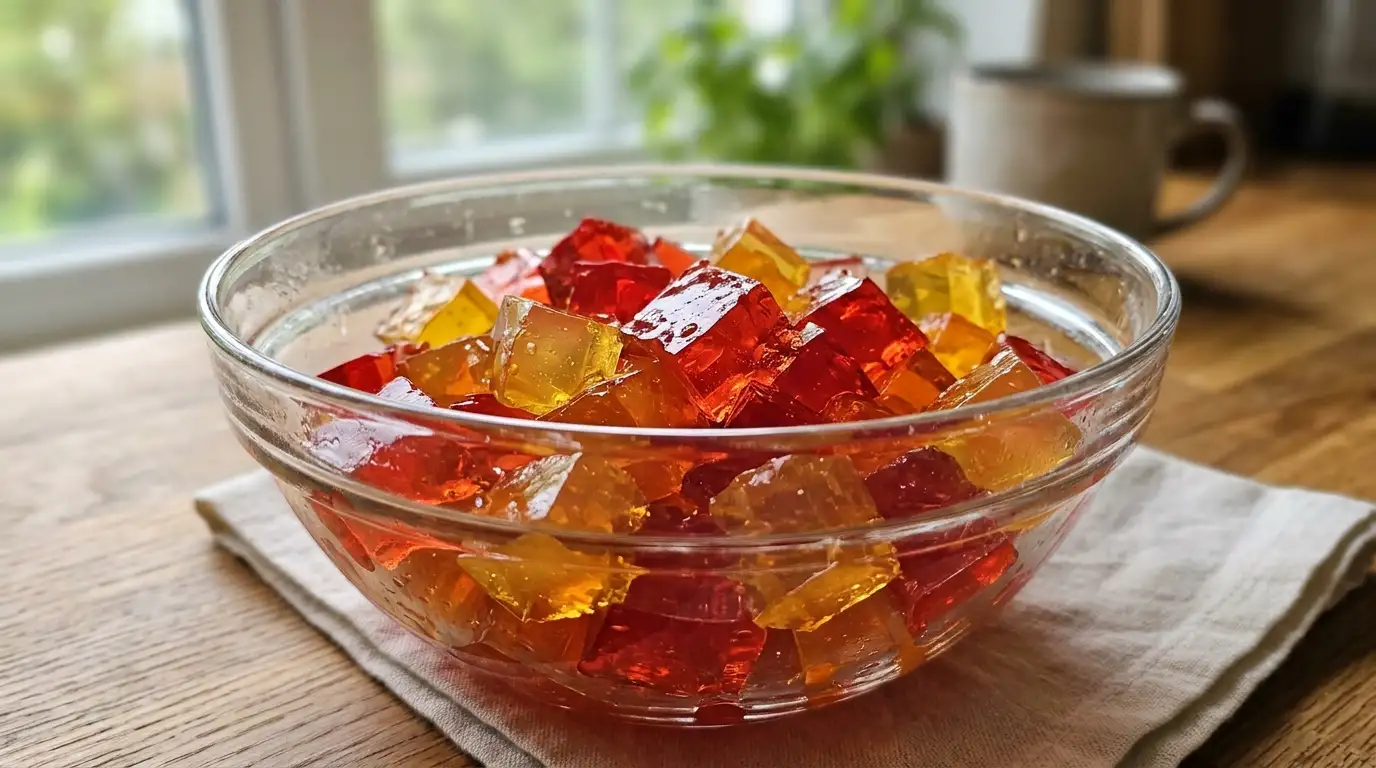
Bariatric jello cubes are a fun and practical twist on the standard recipe. Instead of serving the gelatin in cups, you let it set in a shallow dish and cut it into small cubes. These cubes are easy to portion, easy to store, and easy to grab when you want a controlled snack or light dessert.
This variation works well because the shape naturally encourages smaller servings. A few cubes can feel like a complete portion without seeming overly restrictive. In addition, the bite-sized format can make the bariatric gelatin recipe feel a little more interesting, even when the ingredients stay simple.
For best results, use a firm but not rubbery gelatin base. If the cubes are too soft, they may break apart. If they are too firm, the texture may be less pleasant. A balanced recipe usually gives the best outcome.
Sugar-free cranberry gelatin version
A sugar-free cranberry gelatin version adds a tart, refreshing twist to the classic bariatric gelatin recipe. This option can be especially appealing for people who want a flavor that is not overly sweet. The slight sharpness of cranberry can make the recipe feel cleaner and more balanced.
To make it work well, use an unsweetened or appropriately sweetened cranberry liquid that fits your plan. Then combine it with plain gelatin and water in the right ratio. The result is often a bright, lightly tangy snack that feels a bit more grown-up than standard dessert-style gelatin.
This variation can be a nice choice during warmer months or after meals when you want something cool and crisp. It still fits the same portion-control goals, yet it offers a different flavor profile that helps keep the routine fresh.
Protein-boosted bariatric gelatin
A protein-boosted bariatric gelatin recipe is useful for people who want their snack to do a little more work. In this version, a protein-friendly ingredient such as a bariatric-approved protein powder or high-protein liquid is added to the gelatin base. The goal is to create something a bit more filling while still keeping the soft, portioned format.
This version needs a careful hand because protein additions can change the way the gelatin sets. Some powders blend smoothly, while others make the texture chalky, foamy, or uneven. That is why it helps to test a small batch first before making a large amount.
When it turns out well, a protein-boosted bariatric gelatin recipe can be a helpful bridge between meals. It still feels light, but it may offer more staying power than a plain version. That can make it especially useful on days when hunger is stronger or your schedule is less predictable.
Green tea gelatin variation
A green tea gelatin variation offers a lighter, more subtle flavor and may appeal to people who want something less dessert-like. This bariatric gelatin recipe is usually made by brewing green tea, allowing it to cool slightly, and then combining it with plain gelatin and any approved flavor support.
The result is often mild, refreshing, and a little more sophisticated than fruit-flavored versions. It may work particularly well for people who enjoy tea and want a snack that feels calming rather than sweet-heavy. In some routines, this version is used as an afternoon option when a richer dessert would feel out of place.
The main thing to watch here is balance. Strong tea can become bitter, especially when chilled. So, a smooth green tea bariatric gelatin recipe usually works best when the tea is brewed carefully and not made too intense.
Digestive-friendly ginger gelatin version
A digestive-friendly ginger gelatin version is another useful twist, especially for people who like warm, gentle flavors. Ginger brings a mild spice and fresh taste that can make the bariatric gelatin recipe feel more soothing and less sugary. It is often made with ginger tea, infused water, or a small amount of real ginger flavor.
This version can be a good match for people who enjoy simpler, less dessert-style snacks. It may also feel pleasant during times when heavy flavors are not appealing. Because ginger has a strong personality, it is best to start light and adjust slowly until the flavor feels balanced.
Like other variations, this one works best when the recipe stays clean and controlled. A digestive-friendly bariatric gelatin recipe should feel easy, not overwhelming. When the flavor and texture are right, it can become one of the most useful options in the rotation.
Tips for Success, Serving, and Storage
A bariatric gelatin recipe is easy to make, but a few small details can make a big difference in the final result. The right technique helps the texture stay smooth, the flavor stay pleasant, and the portions stay practical. Just as important, good storage habits make it easier to keep this recipe ready for the moments when you actually need it.
Because this recipe is often used as part of a structured routine, success is not only about taste. It is also about convenience, consistency, and ease of use. When a bariatric gelatin recipe is stored well and served in thoughtful portions, it becomes much more likely to support your goals over time.
How to keep the texture smooth and pleasant
Texture matters more than many people expect. A bariatric gelatin recipe should be soft, light, and easy to eat. If it turns out grainy, rubbery, or uneven, it may still be edible, but it will be far less enjoyable. And when a food is not enjoyable, it usually does not stay in the routine for long.
To keep the texture smooth, dissolve the gelatin fully in hot liquid before adding cooler ingredients. Stir carefully, but do not whip too aggressively, because too much air can create foam on top. If foam does appear, let the mixture rest for a minute before pouring it into containers. This simple step can improve the look and feel of the finished recipe.
It also helps to avoid overloading the mixture with too many extras. A basic bariatric gelatin recipe usually sets more evenly than one packed with powders, dairy, or thick flavorings. In many cases, less really is more.
How to avoid overheating gelatin
Another key tip is to avoid overheating the gelatin. Very high heat can weaken its ability to set properly, especially if the mixture is cooked too hard or for too long. For that reason, hot water is useful, but a rolling boil is not always necessary once the liquid is ready.
A good approach is to heat the water first, remove it from direct heat, and then dissolve the gelatin. That gives you enough warmth to blend it smoothly without stressing the mixture more than needed. If you are making a bariatric gelatin recipe with tea, juice, or another flavored liquid, warm it gently instead of boiling it aggressively.
This small detail can prevent a lot of frustration. A recipe that does not set well may seem like an ingredient problem, when the real issue is often heat.
Best ways to store bariatric gelatin
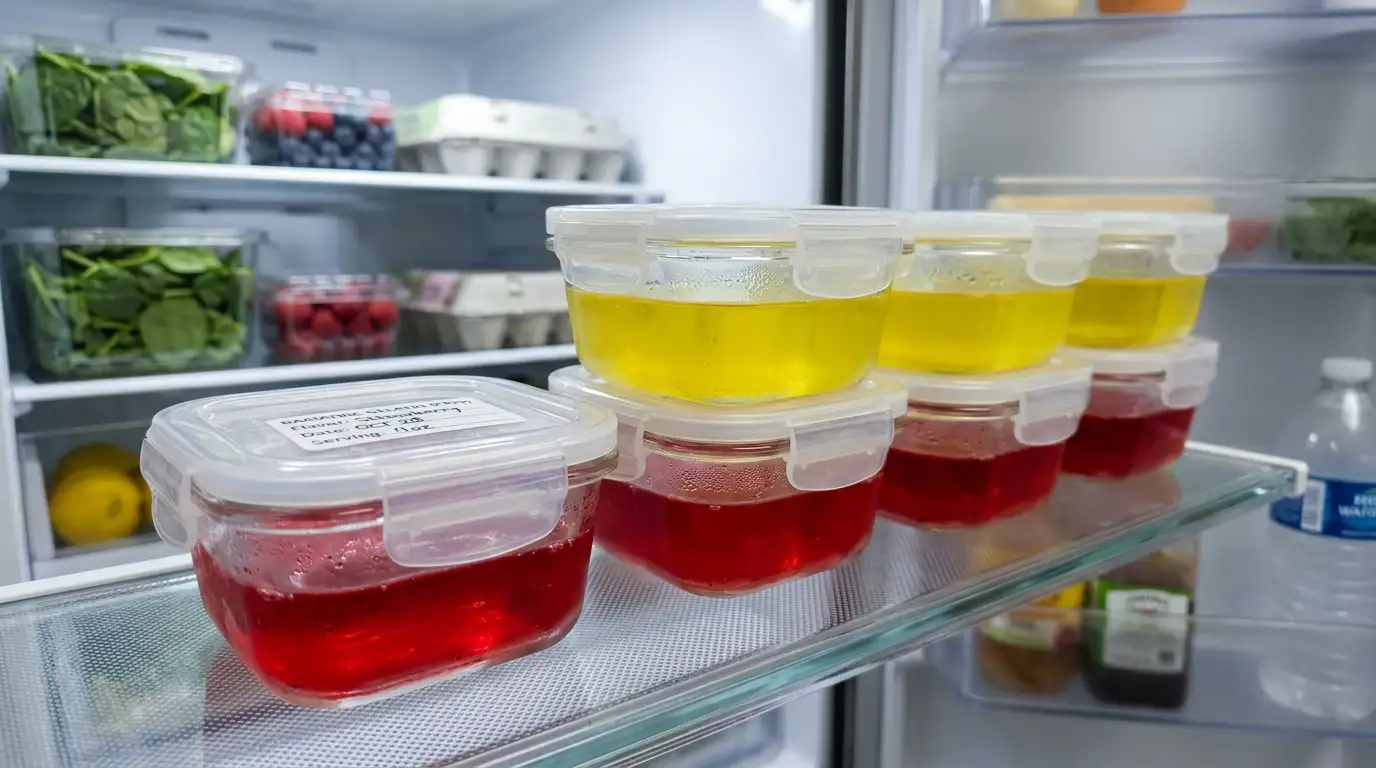
The best way to store a bariatric gelatin recipe is in small, covered containers in the refrigerator. Individual portions work especially well because they make the recipe easy to grab and easy to track. This supports convenience and portion control at the same time, which is one of the biggest reasons people use this recipe in the first place.
If you make the gelatin in one larger dish, cover it tightly so it does not dry out or absorb odors from other foods in the fridge. Once it is set, you can also cut it into portions and move those into smaller containers for easier serving. Either method can work, but pre-portioned storage usually makes daily use simpler.
Try to keep the bariatric gelatin recipe in a part of the fridge where it stays level and undisturbed while setting. That helps preserve an even shape and texture.
How long bariatric gelatin lasts in the fridge
A bariatric gelatin recipe usually lasts several days in the fridge when stored properly, though the exact time depends on the ingredients used. A plain version made with water and gelatin may keep longer than a version made with dairy, protein additions, or fresh ingredients that spoil more quickly.
For best quality, check the texture, smell, and appearance before serving. If the gelatin starts to release too much liquid, develops an off smell, or changes in a way that seems unusual, it is better not to use it. Since this recipe is easy to prepare, fresh batches are often the safest and most pleasant choice.
Many people find that making a few days’ worth at a time works best. That approach keeps the bariatric gelatin recipe convenient without letting it sit too long in the fridge.
Serving tips for better portion control
Serving style can make or break the usefulness of this recipe. A bariatric gelatin recipe works best when the portion is decided before eating begins. Small ramekins, jars, silicone molds, or snack cups can all help create a natural stopping point. That is much easier than scooping from a large dish and trying to estimate the right amount in the moment.
It also helps to pair the serving with intention. Rather than eating it while distracted, treat it like a planned snack or dessert. Sit down, eat it slowly, and let it fill the role it was meant to play. This makes the recipe feel more satisfying and reduces the temptation to go back for extra bites out of habit.
Simple serving habits often have the biggest impact. When a bariatric gelatin recipe is chilled well, portioned clearly, and eaten with purpose, it becomes much more than a light dessert. It becomes a useful part of a routine that is easier to maintain.
FAQs About the Bariatric Gelatin Recipe
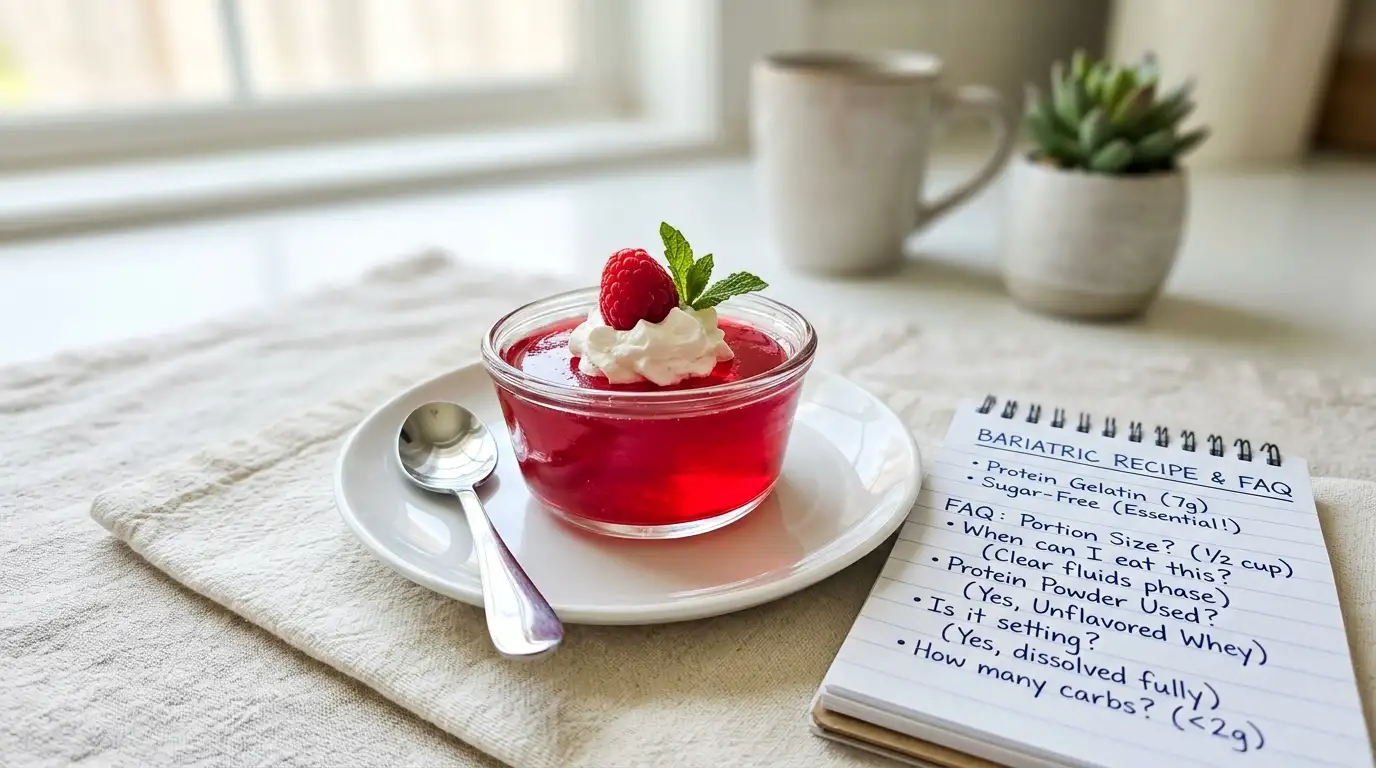
Gelatin may support weight loss in a small, indirect way, but it does not cause weight loss on its own. A bariatric gelatin recipe can be helpful when it replaces a higher-calorie dessert, supports portion control, or fits into a structured eating routine. Its main value comes from helping people stay organized and satisfied, not from any magic fat-burning effect.
Yes, many people can enjoy a bariatric gelatin recipe every day if it fits their eating plan and does not crowd out more nutrient-dense foods. The key is to use it as a support food, not as the center of the diet. Daily use can work well when portions are small and the overall routine stays balanced.
Some people drink gelatin water during fasting periods, but whether that fits your fasting approach depends on your goals. Since gelatin contains protein and calories, it may break a strict fast. However, some people use it during modified fasting routines or structured eating plans. In a bariatric context, the more important question is whether it supports your personal plan and tolerance.
Not exactly. A bariatric gelatin recipe may use sugar-free flavored gelatin like Jello, but it can also be made with plain unflavored gelatin and other bariatric-friendly ingredients. Jello is a specific branded style of flavored gelatin, while bariatric gelatin is more of a purpose-based recipe designed to fit structured eating goals.
Traditional gelatin is animal-based, so it is not suitable for vegetarians. However, vegetarians can make a similar gel-style recipe using plant-based gelling agents such as agar. The texture and behavior may be different, though, so the result will not be exactly the same as a classic bariatric gelatin recipe.
You can add gelatin to coffee, but it will not work the same way it does in a chilled recipe. Gelatin may dissolve in hot coffee, yet it usually thickens or changes texture as it cools. Some people enjoy experimenting with this, but it is not the same as making a proper bariatric gelatin recipe. And again, it is not a direct weight loss trick by itself.
Plain gelatin is unflavored and unsweetened, which gives you full control over taste and ingredients. Flavored gelatin already includes flavoring, color, and often sweeteners. For a bariatric gelatin recipe, plain gelatin is often better when you want more ingredient control, while flavored gelatin can be more convenient when you want speed and simplicity.
Final Thoughts on Using Bariatric Gelatin for Weight Loss
A bariatric gelatin recipe can be a smart addition to a weight loss routine when it is used with purpose. It is simple, light, and easy to portion, which makes it a practical option for many people. At the same time, it is important to keep expectations realistic. This recipe can support better habits, but it cannot replace the basics of balanced eating, protein intake, hydration, and consistency.
When this recipe makes sense in a healthy routine
This recipe makes the most sense when you need a planned snack or dessert that feels manageable and fits your goals. It can be especially useful for people who want a lower-sugar option, a gentler texture, or an easy make-ahead food that supports structure. In those situations, a bariatric gelatin recipe can be both practical and satisfying.
Why bariatric gelatin works best as a supportive tool, not a miracle fix
The biggest strength of bariatric gelatin is that it supports good habits. It can help with portion control, reduce the appeal of heavier sweets, and give you a predictable option when cravings show up. Still, it works best as a supportive tool, not a miracle fix. Weight loss and long-term success come from the bigger picture, and this recipe is just one part of that system.
How to include it in a balanced weight loss plan
The best way to include a bariatric gelatin recipe in a balanced plan is to use it intentionally. Keep the ingredients simple, portion it ahead of time, and let it replace less helpful choices instead of adding extra calories to the day. When used this way, it can become a reliable part of a routine that feels easier to follow and easier to maintain.